


 Izdanje Srbija
 Serbische Ausgabe
 Izdanje BiH
 Izdanje Crna Gora


 News
News


Presentation at NBS: IMF warns of new global shocks
Source: eKapija
 Wednesday, 25.03.2026.
09:16
Wednesday, 25.03.2026.
09:16
Wednesday, 25.03.2026.
09:16
 Comments


(Photo: Pixabay/Mediamodifier)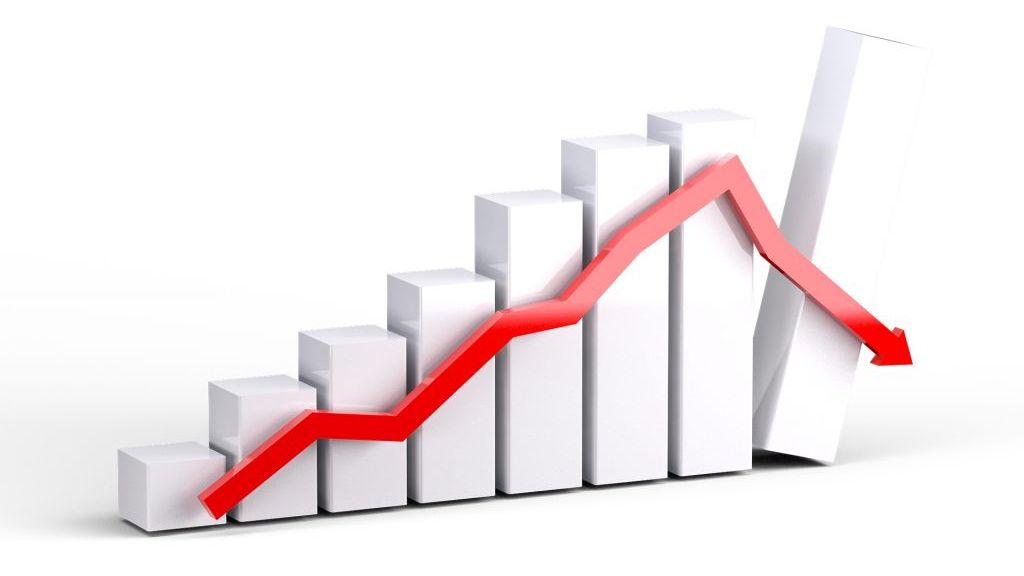
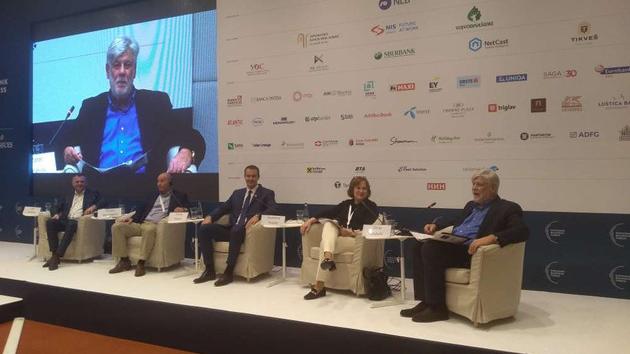
In line with the good practice of long-standing institutional cooperation with the International Monetary Fund (IMF), the National Bank of Serbia (NBS) hosted a presentation of the IMF’s perspectives on EU economic policies and global economic developments, the NBS announced.
The presentation was held by Malhar Nabar, IMF Mission Chief for the Euro Area and Assistant Director of the IMF European Department, and it gathered representatives of government institutions, development partners, domestic and international financial institutions, and the academic community.
Nabar highlighted how global shocks were transmitting across economies and why scenario analysis remained essential in navigating such uncertainty. As he emphasized, the scale of the impact will largely depend on the duration of ongoing conflicts and the time required to rebuild critical infrastructure.
In the meantime, several key transmission channels are already shaping the macroeconomic outlook. Namely, rising oil and petroleum product prices are reducing disposable income, inflation expectations remain sensitive to continued volatility and financial conditions are tightening in response to uncertainty. It was pointed out that Europe was better prepared to absorb an energy shock than it had been in 2022, but that the strength of the current shock should not be underestimated.
Consistent with earlier policy recommendations, strengthening long-term resilience will depend on unlocking new sources of productivity growth, deepening the single market and reducing regulatory burdens, it was pointed out. Particularly noteworthy is the growing role of artificial intelligence and increased investment in research and development as key drivers of future productivity gains and competitiveness.
The event was traditionally opened with an introductory address by Governor Jorgovanka Tabakovic. Speaking about the productivity growth that Europe needs if it wants to stop the widening of the gap with the United States in this area, the Governor, among other things, emphasized that there was no doubt that the sources of sustainable productivity growth included the application of the most advanced technologies, along with sound policies and coordinated responses at both regional and global levels, and that a deeper and larger single European market would enable productivity growth.
To sum up developments in Serbia in 2025, Governor Tabakovic quoted the December assessment of the IMF’s Executive Board mentioning prudent macroeconomic policies, supported by strong cooperation with the IMF, which had led to Serbia’s impressive results. As she emphasized, a high level of FX reserves, substantial government deposits, as well as a resilient and well-capitalized banking sector are an important support in addressing current challenges, while fiscal discipline is being strictly maintained and monetary policy remains cautious, preserving the credibility of economic policies.
The Governor recalled that compared to January, when the IMF had slightly revised upward its growth projection for the euro area for 2026, new strong shocks had occurred since. She added that both the IMF and the ECB had pointed to potentially significant negative macroeconomic effects from surging oil prices if they remained elevated over a longer period. At the same time, the Governor emphasized that Serbia had responded immediately to the shocks affecting the energy market with a set of important measures aimed at protecting both citizens and businesses.
When it comes to developments in the coming period, the Governor emphasized that the NBS and the IMF saw the same trends for Serbia - sustainable acceleration of growth, continuation of appropriate monetary policy, a stable and resilient financial sector and continuation of responsible fiscal policy. It was emphasized that Serbia stood out as an example of a country whose public debt was below 45% of GDP, far below the value set by the Maastricht criteria, with the overall medium-term framework pointing to a continued public debt decline.
Tags:
International Monetary Fund
IMF
National Bank of Serbia
NBS
Malhar Nabar
Jorgovanka Tabaković
IMF presentation
economic global shocks
oil price rise
Comments
Your comment
Naš izbor




Most Important News
Full information is available only to commercial users-subscribers and it is necessary to log in.
Pratite na našem portalu vesti, tendere, investicione projekte, grantove i pravnu regulativu.
Registracija na eKapiji vam omogućava pristup potpunim informacijama i dnevnom biltenu
Naš dnevni ekonomski bilten će stizati na vašu mejl adresu krajem svakog radnog dana. Bilteni su personalizovani prema interesovanjima svakog korisnika zasebno,
uz konsultacije sa našim ekspertima.