


 Izdanje Srbija
 Serbische Ausgabe
 Izdanje BiH
 Izdanje Crna Gora


 News
News


Margins and prices in Serbia: Competition limited, entry of new retail chains crucial

 Comments


Illustration (Photo: Aleph Studio/shutterstock.com)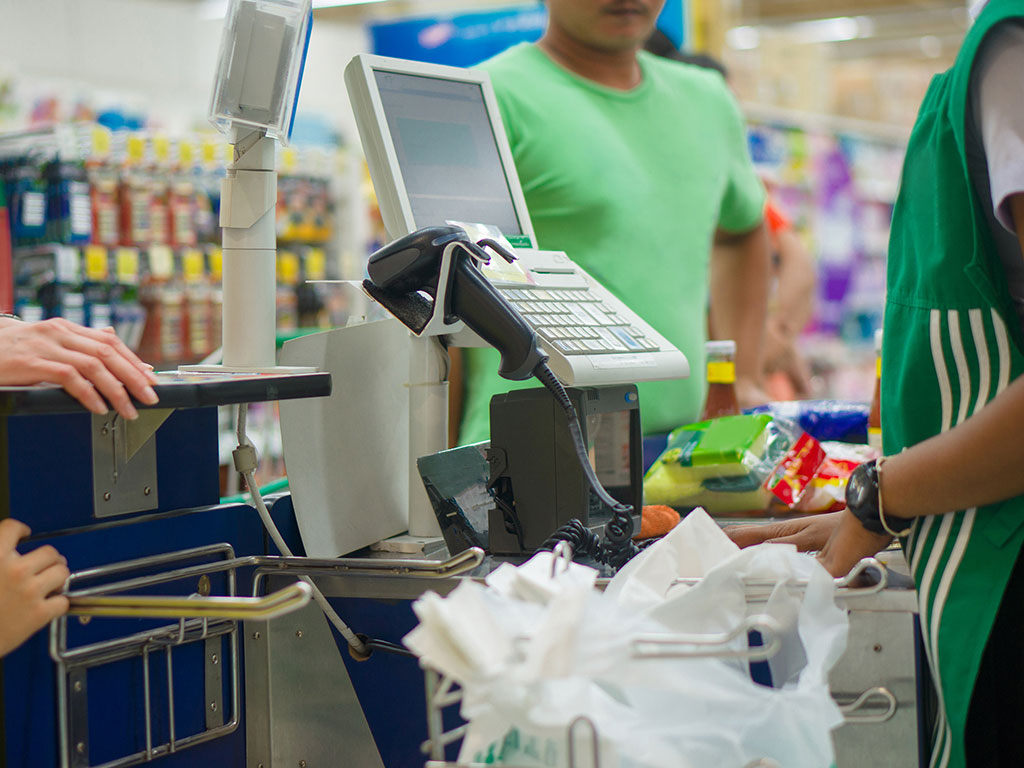
Analyzing the market situation in Serbia, Ratnovski stated that the IMF’s position was that the most important structural factor behind high prices in Serbia was limited competition in retail and wholesale.
– Serbia is a relatively small market outside the EU single market, with high fuel costs, high real estate costs, and on top of that, we had rapid income growth, and therefore rapid demand growth, while supply was slow to adjust. This comes on top of last year’s drought. But fundamentally, with all these factors, it seems that insufficient competitive pressure in food distribution and retail is reinforcing these factors and allowing high prices to persist – Ratnovski stressed.
Speaking about specific measures that could affect the price level, Ratnovski stressed that appropriate policies should primarily focus on strengthening competition. The key, according to him, is to facilitate the entry of new retail chains and new distributors, especially greenfield investments.
– The Serbian authorities have been very successful in the past in attracting manufacturing to Serbia, so we see no reason why the Serbian authorities should not be equally successful in bringing in more retail chains and distributors, helping them through the processes of land purchase, leasing, permits, customs and relations with municipalities – Ratnovski said.
In addition to bringing in new traders, the IMF representative sees significant room for price reductions through reform of import procedures. He pointed out that there was room to simplify costs and arbitrary import procedures, which would primarily include reducing excessive sanitary checks of EU-certified goods.
Ratnovski believes that the price level could also be corrected by reducing the use of temporary duties and bans on specific imports, because such measures not only directly raised costs, but also deterred smaller importers, reducing competition among importers and distributors. As an important prerequisite for strengthening the supply, he also mentioned the revision and limitation of the use of exclusive distribution agreements between manufacturers and local partners.
– Currently, the approval of the Commission for the Protection of Competition is required, but the awarding of such agreements should probably become the exception, not the rule – concluded Ratnovski.


Tags:
IMF
Lev Ratnovski
limiting trade margins
retail chains
new retail chains in Serbia
prices in supermarkets
Comments
Your comment
Naš izbor

Most Important News
Full information is available only to commercial users-subscribers and it is necessary to log in.
Pratite na našem portalu vesti, tendere, investicione projekte, grantove i pravnu regulativu.
Registracija na eKapiji vam omogućava pristup potpunim informacijama i dnevnom biltenu
Naš dnevni ekonomski bilten će stizati na vašu mejl adresu krajem svakog radnog dana. Bilteni su personalizovani prema interesovanjima svakog korisnika zasebno,
uz konsultacije sa našim ekspertima.