


 Izdanje Srbija
 Serbische Ausgabe
 Izdanje BiH
 Izdanje Crna Gora


 News


NBS: Dinar-denominated savings grow by 21%, citizens deposit additional 42.8 billion dinars
Source: eKapija
 Sunday, 01.11.2026.
10:12
Sunday, 01.11.2026.
10:12
 Comments


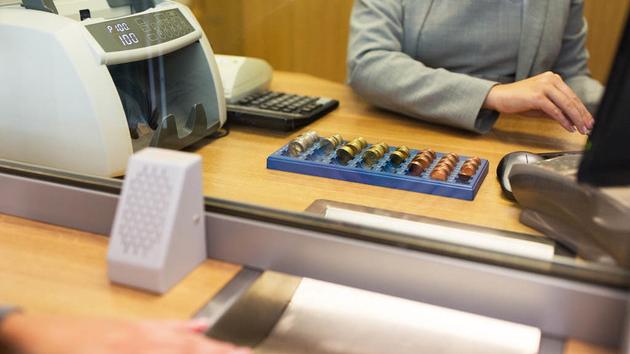
(Photo: rangizzz/shutterstock.com)
According to NBS data, the growth in savings continued throughout 2026, despite global economic uncertainties. The growth in dinar-denominated savings has been particularly notable. The central bank attributes this to long-standing macroeconomic and financial stability, as well as the public's confidence in the domestic currency and the banking system.
By the end of September, the share of dinar-denominated savings within total household savings reached 11 percent, up from just 1.9 percent in September 2012, when the implementation of the strategy to dinarize the domestic financial system began.
In terms of maturity, the most significant growth in dinar savings was recorded in deposits with terms ranging from six to 12 months, which increased by 29.3 billion dinars. This category currently accounts for 57.6 percent of total dinar-denominated savings. Savings with a maturity of three to six months increased by 12.2 billion dinars, while demand deposits rose by 6.8 billion dinars.
At the end of September, the average amount of dinar savings per account stood at 223,000 dinars. However, when excluding deposits of up to 10,000 dinars, which account for 82.6 percent of the total number of accounts but represent only 0.2 percent of the total value of dinar savings, the average deposit amounted to 1.3 million dinars.
Over the last 14 years, household savings in dinars have increased nearly 14-fold. During the same period, foreign currency savings also grew. Since September 2012, they have more than doubled, rising from 7.9 billion euros to 17.2 billion euros by the end of September 2026.
In the first nine months of this year, foreign currency savings increased by more than one billion euros. The primary drivers of this growth were deposits with a maturity of six to 12 months, which rose by 616.6 million euros, as well as demand deposits, which grew by 468 million euros and now constitute the largest share of total foreign currency savings.
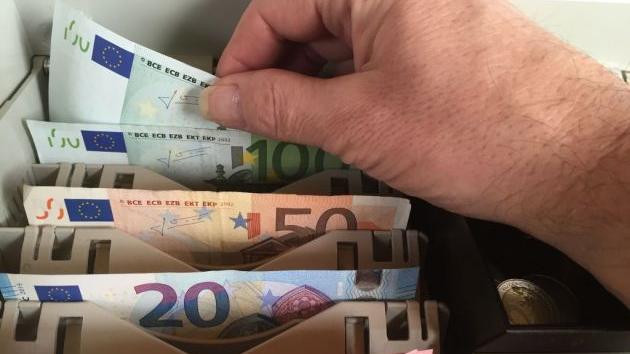
At the end of September, the average amount of foreign currency savings per account was approximately 4,500 euros. Excluding deposits of up to 500 euros, which account for 71.4 percent of the total number of accounts but only 0.6 percent of the total value of foreign currency savings, the average deposit amount exceeds 15,600 euros.
Dinar savings yield higher returns
An analysis by the NBS, covering the period from September 2012 to September 2026, showed that savings in dinars were more profitable than comparable savings in euros, regardless of the term of the deposit.
The greater profitability of savings in dinars was driven by higher interest rates compared to savings in euros, the tax exemption on interest income from dinar deposits, and the relative stability of the dinar-euro exchange rate.
According to the analysis, an individual who placed 100,000 dinars in a one-year fixed-term deposit in September 2012, and subsequently renewed that deposit over the following 13 years, would have had more than 60,000 dinars, that is, over 510 euros, more by September 2026 than a saver who had invested the equivalent amount in euros over the same period.
One-year fixed-term savings in dinars, without deposit renewal, proved more profitable than savings in euros in 99 percent of the annual sub-periods observed over the past 14 years.
This is further confirmed by a comparison covering the last year. A saver who placed 100,000 dinars in a one-year fixed-term deposit in the domestic currency in September 2025 would have earned nearly 1,800 dinars, approximately 15 euros, more by September 2026 than if they had placed the same amount in a euro-denominated fixed-term deposit.
The advantage of savings in dinars is also evident across other fixed-term durations. Three-month fixed-term deposits in the domestic currency were more profitable than comparable euro-denominated deposits in over 92 percent of the observed three-month periods, while for two-year fixed-term deposits, savings in dinars proved more profitable in all observed two-year periods.
Inflation within target range, foreign exchange reserves at EUR 29.6 billion
Year-on-year inflation in Serbia stood at 4.1 percent in September 2026, remaining within the NBS's target range of 3 percent, with a tolerance margin of plus or minus 1.5 percentage points. Average inflation for the first nine months of this year was 2.8 percent.
During the same period, the dinar maintained a relatively stable trajectory against the euro. In the first nine months, the NBS made a net sale of EUR 475 million on the interbank foreign exchange market in response to depreciation pressures, which prevailed during the first three months of the year and in September. From April through August, appreciation pressures were dominant.
At the end of September, the central bank’s gross foreign exchange reserves amounted to EUR 29.6 billion, sufficient to cover 6.7 months of imports of goods and services, well above the adequacy threshold.
The dinarization ratio for deposits held by the corporate sector and households reached 46.9 percent in September, more than double the 18.8 percent recorded in September 2012.
The NBS states that it will continue to monitor trends in household savings, promote the dinarization of the financial system, and inform the public about the results of analyses regarding the profitability of savings in domestic versus foreign currency.


Fotografije:
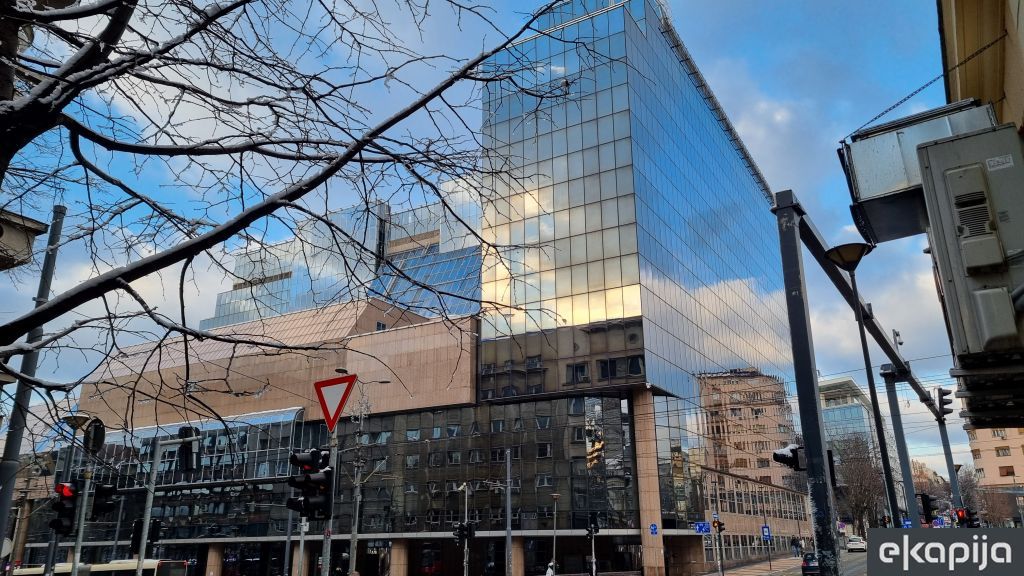
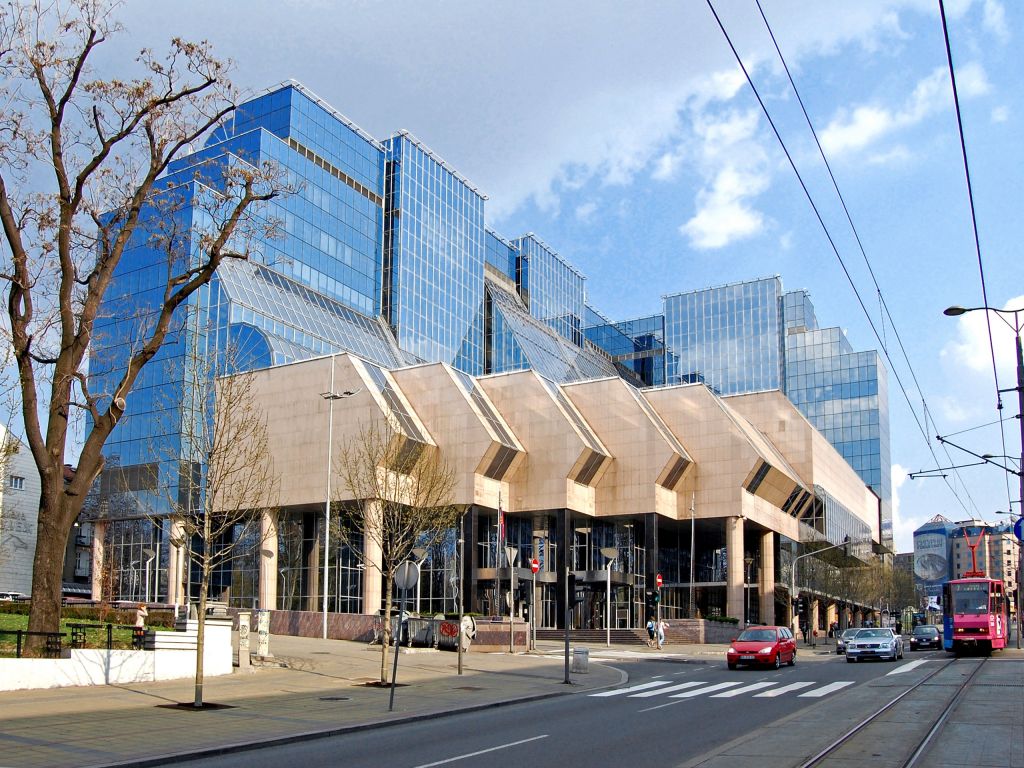


Companies:
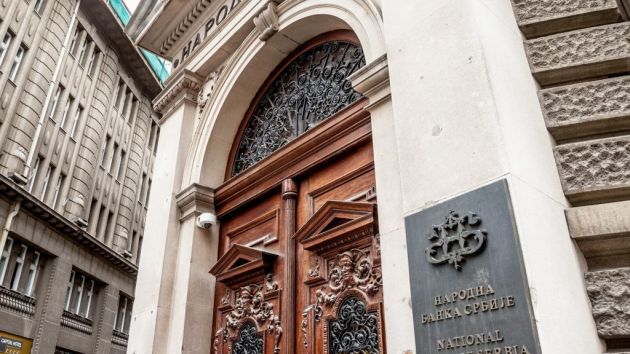
 Narodna banka Srbije Beograd
Comments
Your comment
Naš izbor


Most Important News
Full information is available only to commercial users-subscribers and it is necessary to log in.
Pratite na našem portalu vesti, tendere, investicione projekte, grantove i pravnu regulativu.
Registracija na eKapiji vam omogućava pristup potpunim informacijama i dnevnom biltenu
Naš dnevni ekonomski bilten će stizati na vašu mejl adresu krajem svakog radnog dana. Bilteni su personalizovani prema interesovanjima svakog korisnika zasebno,
uz konsultacije sa našim ekspertima.