


 Izdanje Srbija
 Serbische Ausgabe
 Izdanje BiH
 Izdanje Crna Gora


 News
News


Serbia and Ukraine meet gas storage targets

 Comments


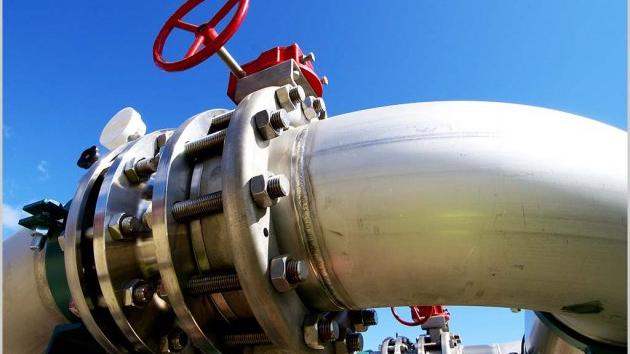
Illustration (Photo: bibiphoto/shutterstock)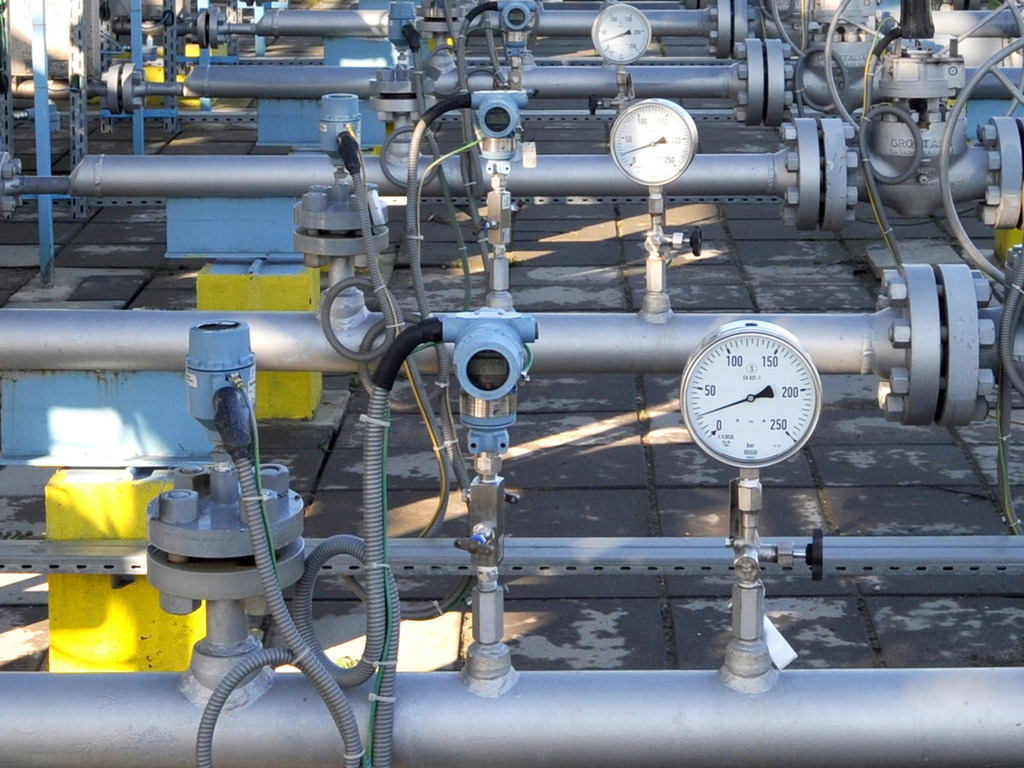
Contracting parties with underground gas storage facilities - Serbia and Ukraine - must ensure that their storage facilities reach the prescribed level of occupancy before the start of winter. Contracting parties with functioning gas markets but no storage facilities of their own - North Macedonia, Moldova and Bosnia and Herzegovina - are expected to secure access to gas stored abroad, in quantities corresponding to at least 15% of the average annual consumption over the previous five years.
According to the report, both Ukraine and Serbia have exceeded their mandatory 2025 fill targets and met the interim targets set for early 2026.
Serbia’s only gas storage facility, Banatski Dvor, was 58% full on February 1 and 44% on May 1, 2026.
However, it is important to note that Serbia has not yet certified the storage system operator, a step designed to confirm that there are no circumstances that could undermine the operator’s motivation or ability to fill the storage in a timely manner when needed.
Meanwhile, Ukraine, despite continued Russian attacks, maintained supplies to domestic consumers throughout the previous heating season and exceeded the target set for May 1, 2026. Full alignment with the EU legal framework and strengthening the long-term management of the Ukrainian storage system are of particular importance given the size of its capacity. This makes it a strategic component of the wider European security of supply architecture.
Finally, Moldova has set itself up as an example for countries across Europe that do not have their own gas storage facilities. This contracting party has established a two-tier system: emergency security stocks, which can be used only in crisis situations, and commercial stocks established in accordance with the Storage Regulation. Together, these stocks exceed 20% of Moldova’s annual consumption.
Of particular note is that Moldova has strengthened the commercial stock system by extending the obligation to establish them from a single supplier to all active retail gas suppliers in 2025, making the responsibility for maintaining reserves a shared responsibility of market participants. The Moldovan regulator has approved the establishment of approximately 140 million m3 of commercial gas stocks by November 1, 2026 - a significant reserve for the winter season, corresponding to approximately 15% of the average annual consumption of consumers connected to licensed gas networks.
Progress is also visible in North Macedonia, which has taken legal and planning steps to strengthen its readiness in the area of gas storage, including transposing the Storage Regulation into national legislation and completing a risk assessment. However, its cross-border storage arrangement with Bulgaria is not yet operational in practice.
Comments
Your comment
Naš izbor
Most Important News
Full information is available only to commercial users-subscribers and it is necessary to log in.
Pratite na našem portalu vesti, tendere, investicione projekte, grantove i pravnu regulativu.
Registracija na eKapiji vam omogućava pristup potpunim informacijama i dnevnom biltenu
Naš dnevni ekonomski bilten će stizati na vašu mejl adresu krajem svakog radnog dana. Bilteni su personalizovani prema interesovanjima svakog korisnika zasebno,
uz konsultacije sa našim ekspertima.