


 Izdanje Srbija
 Serbische Ausgabe
 Izdanje BiH
 Izdanje Crna Gora


 News
News


Negative electricity prices on Serbian electricity exchange officially from May 5
Source: eKapija
 Monday, 27.04.2026.
15:34
Monday, 27.04.2026.
15:34
Monday, 27.04.2026.
15:34
 Comments


Illustration (Photo: west cowboy/shutterstock.com)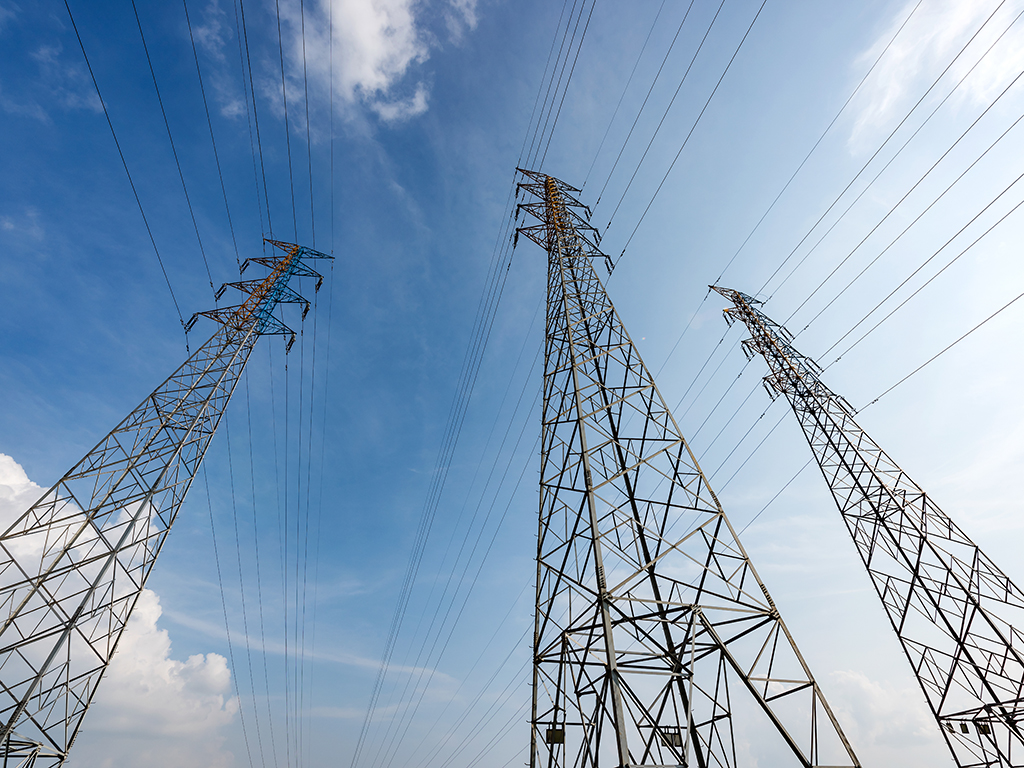
Negative prices are not a new phenomenon on European markets and are a consequence of limited system flexibility and insufficiently developed storage and consumption management capacities, in periods when production from renewable sources exceeds demand.
– As for the introduction of the concept of negative prices in Serbia, which has been in force in other market segments since the beginning of the year, this is not a surprise or a novelty, but rather the need to align our market model with the pan-European model in force in the EU market, and therefore a prerequisite for us to operationally start the process of market merger. Incidentally, in the first quarter alone, 69 hours with zero prices were recorded on the SEEPEX day-ahead market, compared to only 8 such hours in the same period last year. With the dramatic increase in the difference in reference prices of the Serbian and Hungarian spot markets, this is more than a clear indicator, not only of how present this phenomenon is on the European spot markets, but also a serious warning signal of market distortion as a result of the application of the CBAM mechanism, which has been in full force since January 1 of this year – said Milos Mladenovic, CEO of SEEPEX.
According to him, the market is expected to stabilize somewhat, but a similar trend will continue throughout the year. Unless a solution is found in the form of an exemption from the application of CBAM for the Serbian electricity market, it will be very difficult to provide a stable investment framework for further investment in renewable energy sources, which, among other things, also implies the signing of long-term power purchase agreements (PPAs).
– Negative prices are not a problem in themselves. They indicate that there is a surplus of electricity in certain hours and send a signal to producers, including EPS, that we need to look for new business models. This especially applies to PPA contracts, fixed prices and the way of treating market deviations. In the next two to three years, we will have large surpluses of electricity and if the CBAM issue is not resolved, this could become a serious problem. EPS has signed PPA contracts and we will have to carefully define how negative prices will be treated in practice – emphasized Davor Pupavac, Director of the Sector for Market Analysis and Risk Management in Electricity Trade at EPS.
Members of the NALED Sustainable Energy Council assessed that investors will adapt to the new circumstances, but that risks can no longer be predominantly on the side of producers. More flexible contractual models are needed, greater involvement of financial institutions in risk allocation, development of battery storage, consumption management, as well as stronger cooperation between the public and private sectors.
– Our goal is to achieve greater production of green energy and in the future this will be an opportunity for cheaper energy, innovative technologies and new business models. On the other hand, the question arises as to how quickly we are ready to develop system flexibility. This has made an important step towards the liberalization of the domestic electricity market and stronger inclusion in European energy flows, but it is important that we welcome this change prepared. The Sustainable Energy Council will therefore continue to support an efficient energy transition, and will also prepare an analysis with recommendations on the conditions for the use of batteries, bearing in mind that this is one of the market instruments whose role in the stability of the system was repeatedly mentioned at today’s meeting – concluded Jasmina Radovanovic, Leading Advisor for Property and Investments at NALED.



Tags:
SEEPEX
NALED
Elektroprivreda Srbije
EPS
Miloš Mladenović
Davor Pupovac
Jasmina Radovanović
CBAM
negative electricity prices
Comments
Your comment
Naš izbor





Most Important News
Full information is available only to commercial users-subscribers and it is necessary to log in.
Pratite na našem portalu vesti, tendere, investicione projekte, grantove i pravnu regulativu.
Registracija na eKapiji vam omogućava pristup potpunim informacijama i dnevnom biltenu
Naš dnevni ekonomski bilten će stizati na vašu mejl adresu krajem svakog radnog dana. Bilteni su personalizovani prema interesovanjima svakog korisnika zasebno,
uz konsultacije sa našim ekspertima.