


 Izdanje Srbija
 Serbische Ausgabe
 Izdanje BiH
 Izdanje Crna Gora


 News
News


Negative electricity prices arrive on Serbian market too – SEEPEX Exchange announces first auctions for May 5 and 6

 Comments


Illustration (Photo: west cowboy/shutterstock.com)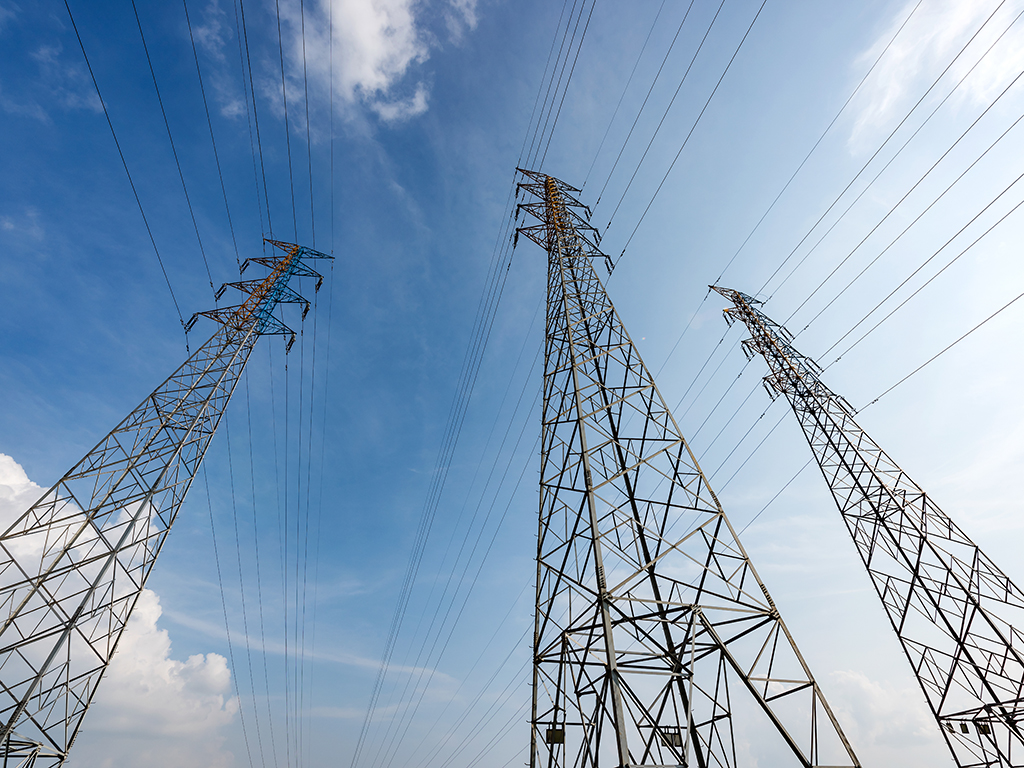
Trading under the new rules will operate through two key sales models that allow buyers to be paid for the purchase of energy. For the main market, where electricity is purchased a “day ahead,” the first auction day with negative prices will be May 5, 2026, while the electricity purchased on the day of delivery will be May 6, 2026.
When it comes to the so-called intraday market, which is used for real-time trading, negative prices for delivery on May 6 will only become available after 11 PM Central European Summer Time on May 5, 2026, SEEPEX explained in a statement.
In parallel, the lowest possible prices on the exchange are also changing.
The previous limit of zero euros, below which the price could not fall, will be moved to minus EUR 500 for the “day-ahead” market, while for the intraday market this threshold will be minus EUR 9,999. SEEPEX emphasized that this represented the harmonized minimum clearing price standard used throughout the EU.
The introduction of negative prices on our electricity exchange was preceded by changes to the Electricity Market Rules, with the explanation that it is necessary to adapt the domestic system to European practice, but also to the fact that the share of renewable energy sources is growing in our system as well.
Professor Nikola Rajakovic from the Faculty of Electrical Engineering in Belgrade explained to Nedeljnik during a public debate on the changes to the rules that it was often the case that RES production exceeded demand for electricity – which opened up the possibility for prices to go into the negative values.
– In such moments, the operator, in order not to shut down the power plant, scrap the equipment or make excessive adjustments to the system, says – it is better for me to pay a little so that someone else can take over that energy – he explained.
At that time, he also concluded that for households, the direct consequences of introducing negative prices would not be immediately noticeable, but that in the long term it opened up space for more efficient consumption management.


Comments
Your comment
Naš izbor
Most Important News
Full information is available only to commercial users-subscribers and it is necessary to log in.
Pratite na našem portalu vesti, tendere, investicione projekte, grantove i pravnu regulativu.
Registracija na eKapiji vam omogućava pristup potpunim informacijama i dnevnom biltenu
Naš dnevni ekonomski bilten će stizati na vašu mejl adresu krajem svakog radnog dana. Bilteni su personalizovani prema interesovanjima svakog korisnika zasebno,
uz konsultacije sa našim ekspertima.