


 Izdanje Srbija
 Serbische Ausgabe
 Izdanje BiH
 Izdanje Crna Gora


 News
News


From waste to resources - Why circular economy is becoming a key strategy of FMCG brands
Source: eKapija
 Tuesday, 17.03.2026.
22:55
Tuesday, 17.03.2026.
22:55
Tuesday, 17.03.2026.
22:55
 Comments


(Photo: Pixabay)
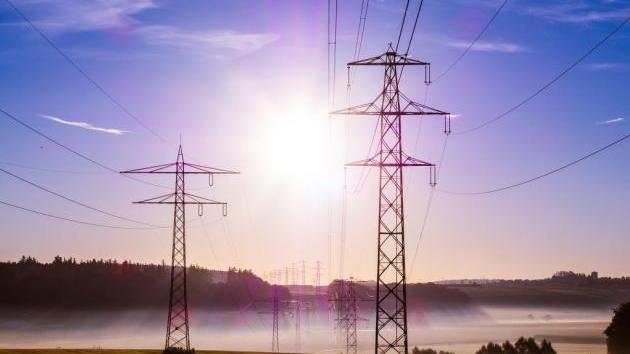
In the Western Balkans region, this transition is just gaining systemic momentum. Although the economies of Serbia, Bosnia and Herzegovina and Montenegro still predominantly function according to the linear model of production and consumption, the circular economy is increasingly being recognized as a key tool for sustainable development and integration with the European market. According to analyzes of regional green transition initiatives, more than 90% of the waste in the region still ends up at landfills, which clearly shows how much room there is for transforming the economic model.
At the same time, the business community increasingly recognizes the economic benefits of circularity. Analysis based on data from the Balkan Barometer Business Opinion survey shows that companies that implement circular practices record higher expectations of revenue growth and long-term business stability.
In other words, the circular economy is no longer just an ecological agenda. It is becoming a business strategy.
Circular economy: from 3R to 10R sustainability model
The traditional approach to sustainability often boils down to the well-known three principles - Reduce, Reuse, Recycle. However, the modern concept of the circular economy goes much further and develops a whole range of strategies up to the 10R model of circularity, Prof. Dr Jacqueline Kramer from the Institute for Sustainability in Utrecht, the Netherlands.
This model includes principles such as:
- Refuse - refusal of unnecessary products and materials
- Rethink - rethinking and redefining the design and way of using the product
- Reduce - reducing the consumption of resources and materials, especially energy
- Reuse - extending the life of the product, ie reusing the product without significant changes
- Repair - repair instead of replacement
- Refurbish - renewal and refreshment of existing products
- Remanufacture - reusing components or parts of old products
- Repurpose - finding new functions and uses for existing products or materials
- Recycle - processing of materials to be reused in production
- Recover - the use of energy or materials from waste that cannot be recycled.
For the FMCG industry, whose products are often single-use, this logic represents a great challenge, but also a huge opportunity for innovation.
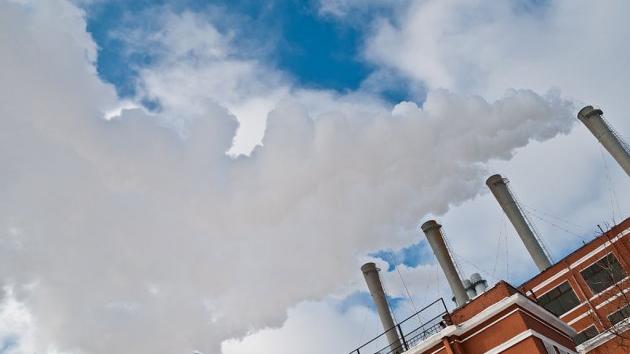
(Photo: Lisa S./shutterstock.com)
Why the FMCG sector is crucial for the green transition
FMCG brands are in a unique position. They shape everyday consumer habits and have the potential to significantly impact market transformation.
The biggest challenges in this sector are:
- packaging waste (in particular plastic)
- short product life cycle
- complex global supply chains
- the growing regulatory requirements of the EU
On the other hand, the FMCG sector has the greatest potential for change. Packaging innovations, returnable packaging systems, refill models, digital transparency of supply chains and the use of recycled materials are becoming key tools for implementing circularity.
There are already developments in the region. Initiatives like regional networks for circular economy and projects supported by European innovation platforms strive to connect companies, academic community and public institutions in order to accelerate the transition to circular business models.
________________________________________________________________________________________________________________
The "take-make-throw" model is changing rapidly. FMCG companies in the region are increasingly exploring the principles of 3-10R circularity in order to reduce waste, optimize resources and respond to new consumer and regulatory requirements.
________________________________________________________________________________________________________________
Consumers as initiators of circular economy
One of the most important factors in the transformation of the FMCG sector is the change in consumer expectations. The modern consumer no longer chooses a product based solely on price or brand. He is increasingly interested in questions such as:
- where the product comes from
- how it was produced
- what impact it has on the environment
- what happens to the packaging after use
This is exactly why sustainability communication becomes as important as the implementation of circular practices. Brands that manage to transparently explain their processes and prove real results have both a significant reputation and a market advantage.
But an important challenge also opens up here, which is the fight against greenwashing. Consumers are becoming increasingly skeptical of superficial "green" messages, which is why companies need to offer real data, measurable results and clear strategies.
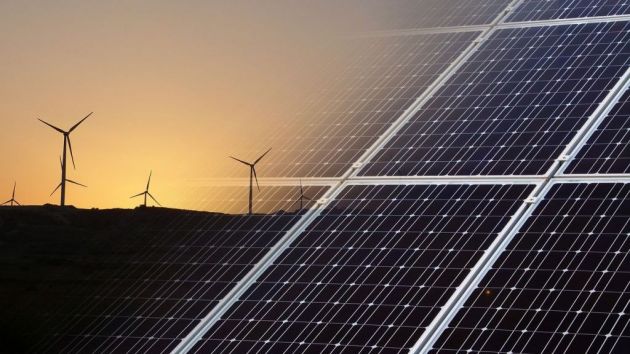
(Photo: Evan Lorne/shutterstock.com)
Western Balkans region between potential and implementation
Serbia, Bosnia and Herzegovina and Montenegro are in an interesting development phase. On one hand, the region`s economies still have a relatively low level of circular practices. On the other hand, precisely because of this, there is a huge space for innovation and "skipping" the development stages that Western economies have been going through for decades.
Circular economy strategies are already being developed at the national and regional level, with the support of international organizations and development institutions. For example, in Montenegro, a special road map for the transition to a circular economy was developed, which identifies the key sectors of transformation, from food production to industry and tourism.
At the same time, regional initiatives and awards for circular innovation increasingly emphasize examples of companies and startups which introduce new models of business and product design.
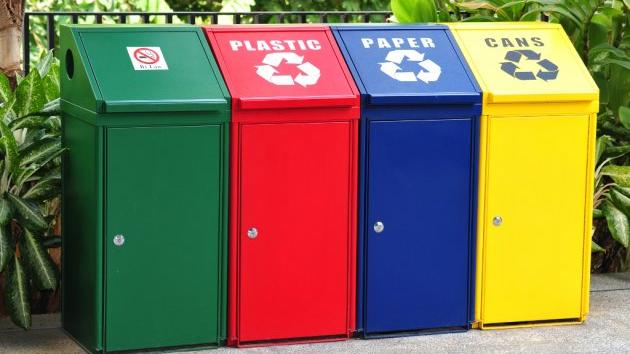
(Photo: Pixabay.com/Orlandow)
Circularity as a new competitive edge for brands
For FMCG brands in the region, the circular economy has the potential to become much more than a regulatory obligation. It can be a new market story.
A brand that today develops sustainable packaging, optimizes logistics, reduces waste and communicates its processes transparently, it actually builds the reputation of the future.
In the context of the European green transition and the increasing ESG demands, precisely such brands will have an advantage in international markets, in investment funds and in the eyes of consumers.
Maybe the most important question for companies in the region today is not whether the circular economy will become the standard of business, but who will manage to turn it into a competitive advantage first.
Because in the economy of the future, waste no longer means the end of a product`s life cycle, it represents the beginning of a new one.

Click here to see the entire Special Edition Newsletter
"INVESTING IN THE FUTURE - Powering a new world"
read more
Tags:
Institute for Sustainability Utrecht
Sandra Pejović
Jaklin Kramer
Balkan Barometer Business Opinion
FMCG industry
circular economy
circular economy in the FMCG industry
special edition newsletter
ESG
Investments in the future Energy for the new world
green economy
special edition newsletter on the green economy
Comments
Your comment
Naš izbor




Most Important News
Full information is available only to commercial users-subscribers and it is necessary to log in.
Pratite na našem portalu vesti, tendere, investicione projekte, grantove i pravnu regulativu.
Registracija na eKapiji vam omogućava pristup potpunim informacijama i dnevnom biltenu
Naš dnevni ekonomski bilten će stizati na vašu mejl adresu krajem svakog radnog dana. Bilteni su personalizovani prema interesovanjima svakog korisnika zasebno,
uz konsultacije sa našim ekspertima.