


 Izdanje Srbija
 Serbische Ausgabe
 Izdanje BiH
 Izdanje Crna Gora


 News
News


After the cancellation of incentives for recyclers in Serbia, a market model of auctions is being prepared - Will the industry survive the transition phase?
Source: eKapija
 Wednesday, 25.03.2026.
12:29
Wednesday, 25.03.2026.
12:29
Wednesday, 25.03.2026.
12:29
 Comments


(Photo: sunsetman/shutterstock.com)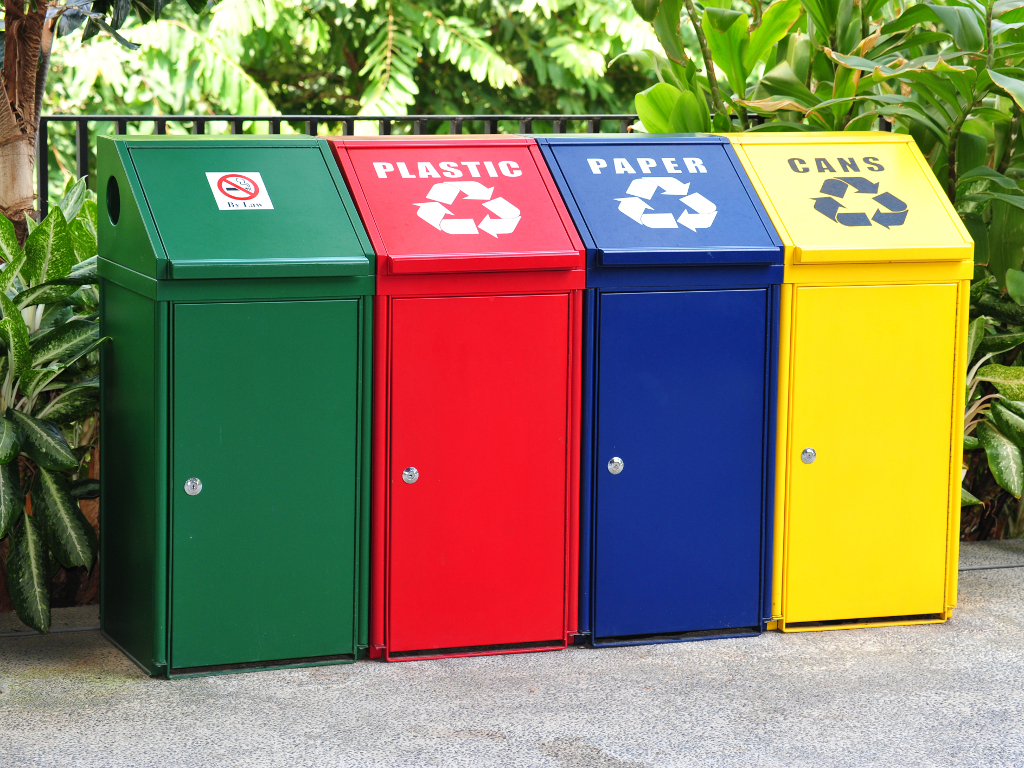
- from increasing service prices to temporarily suspending the collection of certain waste streams, which further complicates the already fragile balance of the system.
As Sanja Knežević Mitrović, head of the Environmental Unit at NALED, explains to eKapija,
the recycling sector is currently between two models, the old, administratively driven,
and new, which should be based on market principles. Even though the work on the new regulation and the introduction of the auction system appear to be a potentially more efficient framework, the key challenge remains to ensure stability during the transition period. With no clearly defined rules and minimal support mechanisms, there is a real risk of further slowing down of the system and disruption of its continuity.
- Termination of validity of the regulation and cancellation of incentive funds from January 1, 2026 already has very concrete consequences on the work of recyclers and waste treatment capacities in Serbia. In practice, a reduced flow of certain types of waste to operators is recorded,
because the costs of collection and treatment are completely transferred to the generators. This leads to situations in which waste is retained at the generator (somewhere improperly stored), storage capacities are filling up, and recyclers are working with reduced input volumes, that is, below optimal capacities - our interlocutor states.
At the same time, as she points out, some operators were forced to significantly increase their service prices or to temporarily suspend the collection of certain waste flows, like scrap tires or electrical and electronic waste. According to her, this additionally slows down the flow of materials through the system and creates "bottlenecks", which can lead to a stoppage in the operation of certain plants.
- This situation has a direct impact on the sector`s investment security, recyclers are faced with difficult business planning, and potentially with the postponement of further investments in capacities and technologies, which can slow down the development of the recycling industry in Serbia in the long term - she says.
Knežević Mitrović states that on the other hand, it is important to point out that a Working Group has been formed at the Ministry, which is working on the new Regulation, which envisages the introduction of a market model with an auction system.
- This kind of approach can represent a step towards a more efficient and transparent system, but provided that the rules, obligations and mechanisms of functioning are clearly defined, in order for all participants to have a predictable and stable framework for business. Recyclers and operators indicate certain doubts regarding the sustainability of the system in such conditions, especially considering that the previous model was based on pre-collected fees for products that become a separate waste stream, precisely with the aim of financing their collection and treatment at no additional cost to end users. In that sense, a sudden change of model without a transitional period creates operational challenges - says the head of the Environment Unit at NALED.
In this sense, as she adds, the key challenge in the coming period will be to ensure the continuity of the system in the transition phase, in order to avoid a further decrease in the utilization of existing capacities and preserve the functionality of the entire waste management system.
Sanja Knežević Mitrović (Photo: NALED)
Bottlenecks in the system
The immediate consequences of the cancellation of incentives are already visible along the entire chain of waste management, from collectors to final treatment. As Sanja Knežević Mitrović explains,
reduced economic profitability leads to waste collection being reduced or suspended in certain cases,
while in the case of generators, accumulation and filling of storage capacities is recorded.
- At the end of the chain, treatment and recycling facilities operate with reduced input quantities, which affects their efficiency and economic sustainability - she points out, warning that in such circumstances the system slows down and "bottlenecks" are created.
When it comes to risks, she adds that "increasing costs of proper disposal and limited logistical capacities increase the likelihood that part of the waste will be directed outside of formal flows", which is why it is crucial to ensure a stable and clearly defined framework in the transitional period.
Between market and survival
The recycling sector in Serbia is currently in a transitional phase between two models - the previous, administratively managed system and the future, planned to rest on market principles. As explained by Sanja Knežević Mitrović, in such circumstances there is a marked reservation among recyclers when it comes to survival without state support, especially in the short term, bearing in mind that the secondary raw materials market is not yet sufficiently developed to cover all system costs.
- In current conditions, the sudden transition to a completely market model represents a significant challenge for the recycling sector, especially for more complex waste streams such as electrical and electronic waste or tires - she points out.
Nevertheless, she adds that the long-term introduction of the principle of extended responsibility of producers and market mechanisms, like auctions, can contribute to greater system efficiency and transparency, but only with carefully managed transition.
- The minimum framework of support at this time would imply transitional mechanisms which ensure the continuity of financing of critical waste flows in accordance with the "polluter pays" principle. If these elements are ensured through the new regulation, which the Working Group is currently working on, there is a realistic basis for the sector to gradually transition to a more sustainable, market-oriented model, without jeopardizing existing capacities and preserving the functionality of the system as a whole - our interlocutor concludes.
Ivana Žikić

Click here to see the entire Special Edition Newsletter
"INVESTING IN THE FUTURE - Powering a new world"
read more
Companies:
 NALED Beograd
Tags:
NALED
Sanja Knežević Mitrović
incentives for recyclers
Investing in the future Energy for a new world
green economy
special edition newsletter on the green economy
special edition newsletter
Comments
Your comment
Naš izbor






Most Important News
Full information is available only to commercial users-subscribers and it is necessary to log in.
Pratite na našem portalu vesti, tendere, investicione projekte, grantove i pravnu regulativu.
Registracija na eKapiji vam omogućava pristup potpunim informacijama i dnevnom biltenu
Naš dnevni ekonomski bilten će stizati na vašu mejl adresu krajem svakog radnog dana. Bilteni su personalizovani prema interesovanjima svakog korisnika zasebno,
uz konsultacije sa našim ekspertima.