


 Izdanje Srbija
 Serbische Ausgabe
 Izdanje BiH
 Izdanje Crna Gora


 News
News


Nova ekonomija: Belgrade City budget under IMF supervision
Source: Beta/eKapija
 Thursday, 15.01.2026.
09:04
Thursday, 15.01.2026.
09:04
Thursday, 15.01.2026.
09:04
 Comments


(Photo: Mikhail Markovskiy/shutterstock.com)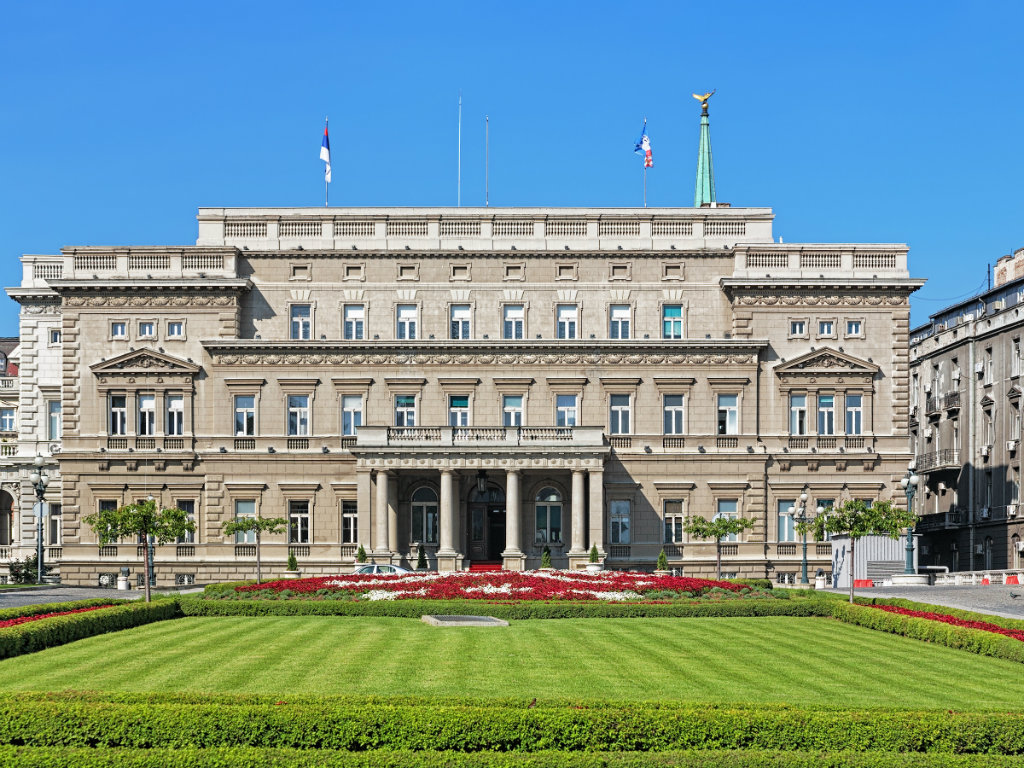
This is not, as stated, a big surprise, because the city’s debts to banks are increasing, unpaid liabilities of city companies are growing rapidly, and the city budget has almost no money for capital investments.
The budget of Belgrade, including the budgets of city municipalities, amounts to 205 billion dinars (1.75 billion euros), or almost nine percent of the Serbian budget.
The IMF insists that external consultants conduct an analysis of the city’s finances with budget projections for the next three years, which should show whether they are sustainable in the medium term. In addition, the relationships between utility companies managed by the city should be analyzed and the sustainability of their operations should be determined.
The IMF expects to be informed about how the city uses financial instruments, primarily regarding concessions for waste treatment and public transport, where the concession contracts conceal the increasing costs that the city has to pay to service providers.
The report should show the key fiscal risks of the city of Belgrade, including delays in payments to suppliers. The consultants’ report should be submitted by August this year, before the drafting of Serbia’s 2027 budget begins.
The collapse of the city’s finances coincides most with Aleksandar Sapic’s term as mayor. A series of populist measures initiated by him have significantly burdened the city’s budget, most notably the decision to abolish public transport charges.
The result is that 400 million euros are allocated from the budget annually to subsidize transport alone, and this money is increasingly going into the hands of private transport operators, who are taking over more and more public transport lines from the public company GSP and receiving more and more money from the budget for this.
The city also provides large subsidies for kindergartens (about 90 million euros per year) and for assistance to students, 20,000 dinars for each elementary school student and gift vouchers for all children up to 18 years of age in the amount of 10,000 dinars and various other things, such as free entrance to swimming pools (3 million euros). Total social benefits are over 200 million euros.
The consequence of such high subsidies is the inability of the city of Belgrade to finance capital projects. Thus, the construction of a new bridge over the Sava River is financed from the state budget, as is the construction of the subway.
The biggest problem in financing Belgrade is the increasing delays in paying obligations, which has raised the alarm at the IMF. The obligations of city enterprises amount to over 150 million euros, and at the same time the city’s debt to commercial banks is increasing.
Belgrade will need to borrow heavily to buy trams, and a public procurement procedure of 188 million euros has been launched for this purpose alone. The city does not have that money, so it will have to take out a loan from banks.
The city will try to cover the lack of funds by increasing property taxes, by an average of 5.5 percent in 2026. In addition, the prices of city enterprise services have also increased, so since the New Year, water has become 17.5 percent more expensive, funeral services by 15 percent and building maintenance by 19 percent, and parking in public garages has also become more expensive.
Mayor Sapic’s populist policy will probably “hit a wall” this year if the analysis requested by the IMF turns out to be unfavorable.
The IMF is therefore insisting that the report be completed by August of this year, so the Serbian government will be faced with the choice of either somehow bringing order to the city’s finances, or for the Serbian budget to take on additional obligations, either in financing capital investments such as the purchase of trams, or in increasing the share of funds transferred from the republic’s budget to the city’s budget.



Comments
Your comment
Naš izbor




Most Important News
Full information is available only to commercial users-subscribers and it is necessary to log in.
Pratite na našem portalu vesti, tendere, investicione projekte, grantove i pravnu regulativu.
Registracija na eKapiji vam omogućava pristup potpunim informacijama i dnevnom biltenu
Naš dnevni ekonomski bilten će stizati na vašu mejl adresu krajem svakog radnog dana. Bilteni su personalizovani prema interesovanjima svakog korisnika zasebno,
uz konsultacije sa našim ekspertima.