


 Izdanje Srbija
 Serbische Ausgabe
 Izdanje BiH
 Izdanje Crna Gora


 News
News


IMF projects faster GDP growth for Serbia: Projection improved to 3.6% in 2026

 Comments


Illustration (Photo: Atstock Productions/shutterstock.com)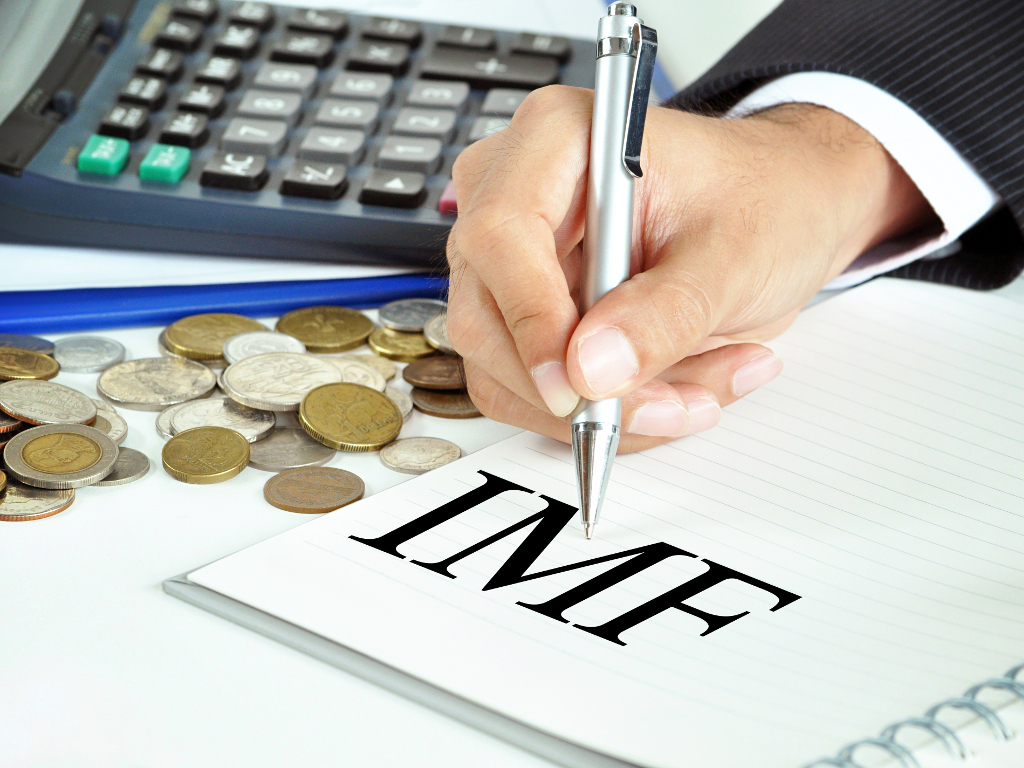
When it comes to GDP, this is a significant improvement for both indicators, as in mid-December the IMF projected GDP growth of 3% and inflation of 4.6% for Serbia, which would mean that price growth would fall outside the targeted framework of the National Bank of Serbia.
Serbia outperforms the regional average
The projected growth rate of 3.6% positions Serbia significantly above the average of the group of countries in which the IMF classifies it. Namely, for the region of emerging and developing European economies, the Fund predicts an average growth of 2.3 percent this year. At the same time, together with Albania, which the IMF also projects to grow by 3.6% GDP, it is currently at the top of the region according to this indicator, while the IMF predicts GDP growth of 3.2% for Montenegro and North Macedonia, and 2.7% for Bosnia and Herzegovina.
For the eurozone, which includes Croatia and Slovenia, growth of 1.3% is projected, and these two countries should achieve significantly better results than that average. The IMF projects growth of 2.7% for Croatia and 2.3% for Slovenia in 2026.
The world economy "stable despite everything"
At the global level, the IMF estimates that the world economy entered 2026 with a degree of stability, despite numerous challenges. The World Economic Outlook report states that global growth is projected at 3.3 percent in 2026, which represents a slight upward revision compared to previous forecasts. The Fund's experts explain that this stable performance on the surface stems from "the balancing of opposing forces currently shaping the world market."
The main driver of global resilience lies, they point out, in the technology sector. The report estimates that the effects of changing trade policies are being neutralized by growing investments related to technology, including artificial intelligence, especially in North America and Asia. The United States should record strong growth, projected at 2.4 percent this year, supported by fiscal policy and the easing of monetary restrictions.
Of particular importance for the Serbian economy is the situation in Germany, which is a key trading partner of the region. The IMF predicts that growth in Germany will recover from an estimated 0.2 percent in 2025 to 1.1 percent in 2026, and economists hope for a positive "spill-over" effect on export-oriented companies in the Balkans.
IMF risks and recommendations
While the numbers are encouraging, the IMF warns that the dangers are not over. There are concerns that a reassessment of productivity growth expectations related to artificial intelligence could lead to a drop in investment and trigger a sharp correction in financial markets. Trade tensions could also flare up, prolonging uncertainty and weighing on activity.
On the price front, global headline inflation is expected to fall to 3.8% in 2026, but Fund officials stress that the fight for price stability requires continuity. The report says that policies to foster stability and sustainably raise the medium-term growth outlook require a sharp focus on rebuilding fiscal buffers, preserving price and financial stability, reducing uncertainty, and implementing structural reforms without further delay.
Tags:
International Monetary Fund
National Bank of Serbia
GDP of Serbia
gross domestic product of Serbia
inflation in Serbia
Comments
Your comment
Naš izbor


Most Important News
Full information is available only to commercial users-subscribers and it is necessary to log in.
Pratite na našem portalu vesti, tendere, investicione projekte, grantove i pravnu regulativu.
Registracija na eKapiji vam omogućava pristup potpunim informacijama i dnevnom biltenu
Naš dnevni ekonomski bilten će stizati na vašu mejl adresu krajem svakog radnog dana. Bilteni su personalizovani prema interesovanjima svakog korisnika zasebno,
uz konsultacije sa našim ekspertima.