


 Izdanje Srbija
 Serbische Ausgabe
 Izdanje BiH
 Izdanje Crna Gora


 News
News


Waste Management Law to be amended – Companies to bear greater responsibility for waste generated by their products
Source: Biznis.rs
 Sunday, 07.09.2025.
11:45
Sunday, 07.09.2025.
11:45
Sunday, 07.09.2025.
11:45
 Comments


Illustration (Photo: kanvag/shutterstock.com)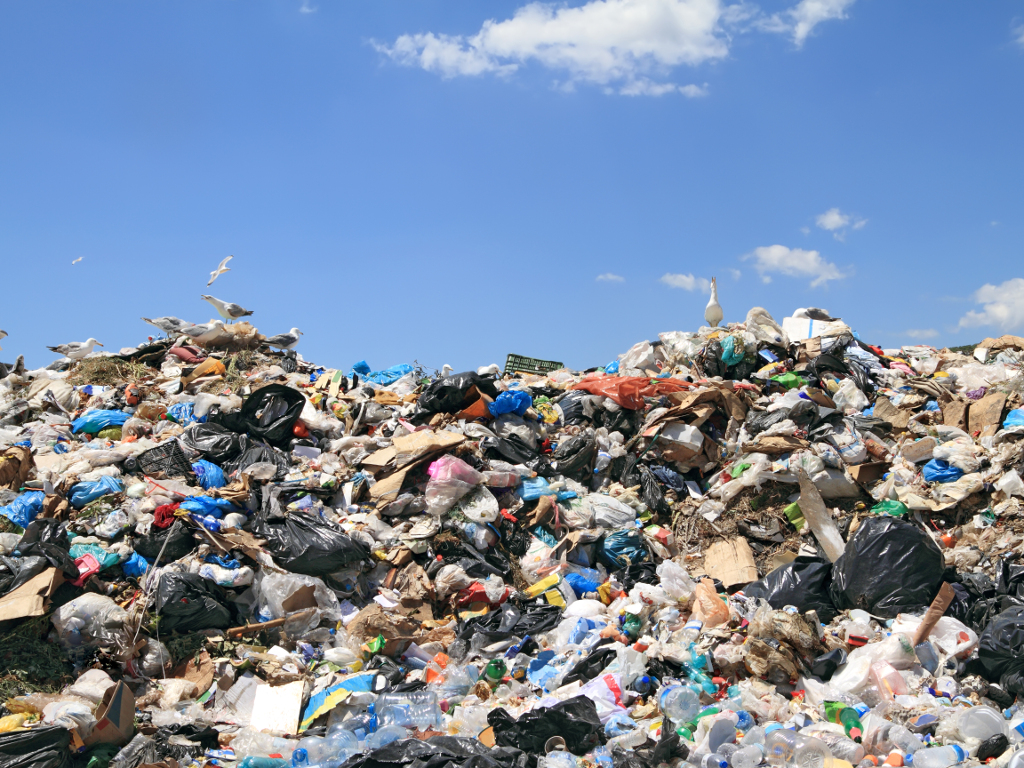
The Waste Management Law was adopted in 2009, but has been amended several times over the past 15 years - in 2010, 2016, 2018 and 2023. Each of these amendments was a response to the challenges that were current at the time: from regulating the cross-border movement of waste and medical waste, to the issue of by-products and the cessation of waste status, to more precise management of construction and hazardous waste. However, practice has shown that there are legal gaps, inconsistencies and non-compliance with EU regulations that now need to be eliminated.
The National Program for the Adoption of the EU Acquis for the Period 2022–2025 envisages the adoption of amendments in the last quarter of 2025. This obliges Serbia to adapt its system to the requirements met by the European Union member states.
Experts explain that the new law will bring several key innovations. First of all, more precise definitions are introduced - including terms such as “food waste” or “waste oil regeneration.” A clear legal provision on extended producer responsibility is also envisaged, which means that companies will bear greater responsibility for the waste generated by their products.
The new law will also define the obligations of waste collectors, regulate specific waste flows in more detail and expand the powers of inspectors to make control more efficient. Special attention will be paid to the functioning of landfills. Operators will have to ensure constant monitoring of operations, monitor environmental impacts and regularly inform the competent authorities of any irregularities.
– It is important to emphasize that the initiative for the changes did not come only from the ministry, but also from other state bodies, civil society and professional organizations. The Waste Management Program for the period 2022–2031 already envisaged the improvement of the legal framework, so this process is seen as a natural continuation of the initiated reforms – the document explaining the amendments to the law states.
The regulation will be harmonized specifically with EU Directive 2018/851, and the focus will be on five key principles. The first is the principle of choosing the most optimal option for the environment, which requires that a solution be found for each type of waste that causes the least harm to nature at acceptable costs. This is followed by the principle of self-sufficiency and the principle of proximity, which envisage the development of a network of regional facilities in order to treat waste as close to its source as possible.
One of the most important ones is the principle of the waste management hierarchy - from prevention, through recycling and reuse, to final disposal. There is also the principle of responsibility, which primarily obliges manufacturers to take care of the waste generated by their products, as well as the well-known “polluter pays” rule, according to which all costs of waste treatment must be included in the price of the product.
The Ministry invites citizens, experts and organizations to submit their comments and suggestions by October 2.

Tags:
Waste Management Law
Comments
Your comment
Naš izbor



Most Important News
Full information is available only to commercial users-subscribers and it is necessary to log in.
Pratite na našem portalu vesti, tendere, investicione projekte, grantove i pravnu regulativu.
Registracija na eKapiji vam omogućava pristup potpunim informacijama i dnevnom biltenu
Naš dnevni ekonomski bilten će stizati na vašu mejl adresu krajem svakog radnog dana. Bilteni su personalizovani prema interesovanjima svakog korisnika zasebno,
uz konsultacije sa našim ekspertima.