




Special edition newsletter
REAL ESTATE & CONSTRUCTION - Where Space Turns Into Opportunity


Scientists develop concrete that can store energy - Construction material becomes a "battery"


Illustration (Photo: Pixabay / JayMantri)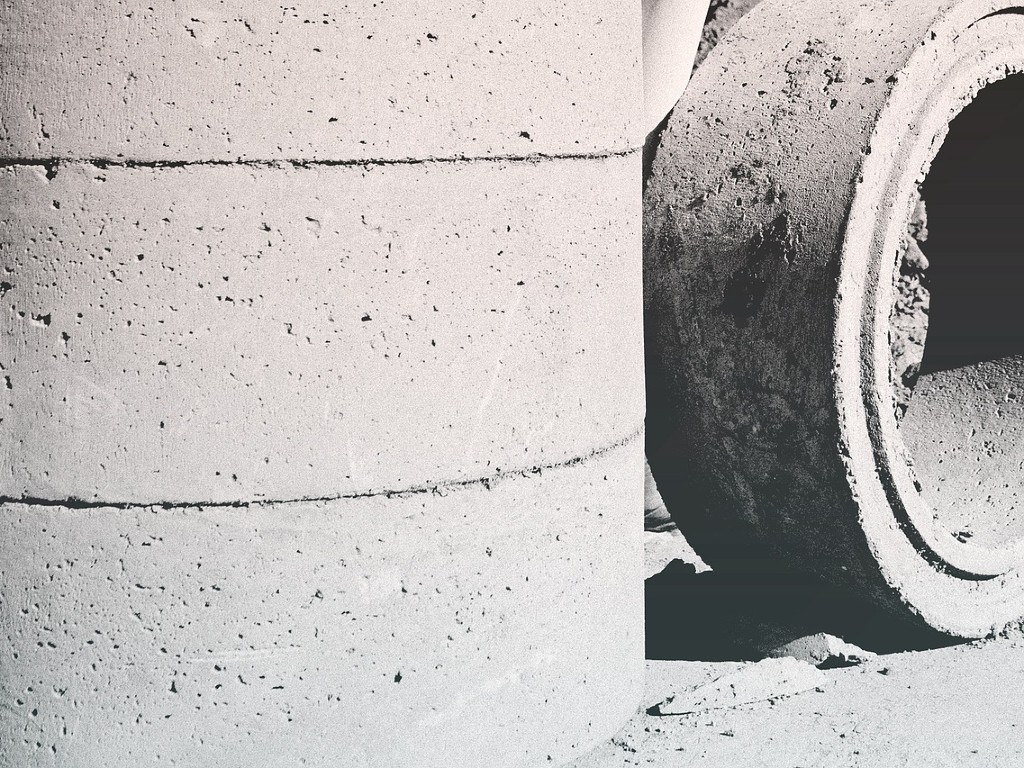
MIT researchers have developed electronically conductive carbon concrete (ec³), by combining cement, water, ultra-fine carbon black and electrolyte, creating a nanonetwork within concrete capable of storing and releasing electricity. This means that walls, slabs and bridges could function as large batteries.
According to research published in the journal PNAS, optimized electrolytes and improved manufacturing processes have increased the energy storage capacity tenfold compared to previous versions of ec³ concrete. While previously about 45 cubic meters of material were needed to supply an average house with a daily amount of energy, now about 5 cubic meters are sufficient for the same amount – which corresponds to the volume of a typical wall element.
- The key to the sustainability of concrete lies in the development of a multifunctional material, that integrates energy storage, self-monitoring and permanent carbon storage. Concrete is already the most used construction material in the world, why not use it for additional functions? - says Admir Masic, lead author of the study and associate of the MIT EC³ Hub.
Concrete works as a supercapacitor and can be integrated directly into building elements – from walls and floors to vaults and domes – and last as long as the structure itself. The new version of concrete uses an organic electrolyte that allows for the storage of more than 2 kilowatt-hours per cubic meter, enough to power a refrigerator for a day.
The researchers also created a miniature arch made of ec³ concrete that simultaneously carries weight and powers an LED light. Under load, the light flickers slightly, which may indicate the potential for real-time structural condition monitoring.
- The most exciting thing is that we have shown the material as old as civilization in a completely new light. Concrete can now not only support our lives, but also power them - James Weaver, co-author of the study and former EC³ Hub researcher, points out.
This progress opens up opportunities for energy-autonomous buildings, electric car charging roads and infrastructure which does not depend on external energy sources, thus contributing to the transition towards renewable energy sources.

Click here to see the entire Special Edition Newsletter
"REAL ESTATE & CONSTRUCTION - Where Space Turns Into Opportunity"
Back to newsletter