


 Izdanje Srbija
 Serbische Ausgabe
 Izdanje BiH
 Izdanje Crna Gora


 News
News


Environmental conditions set for Serbia-Hungary oil pipeline: Contractors ordered to prepare Environmental Impact Assessment Study for route to Novi Sad
Source: eKapija
 Sunday, 31.05.2026.
11:46
Sunday, 31.05.2026.
11:46
Sunday, 31.05.2026.
11:46
 Comments


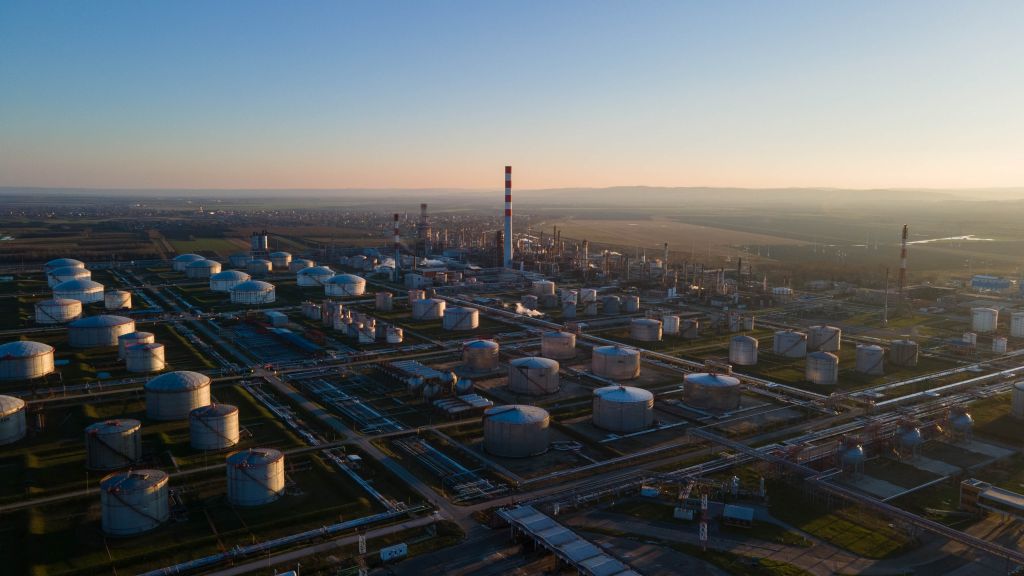
(Photo: ssuaphotos/shutterstock.com)
This step also successfully closed the international phase of the procedure, as the Hungarian Ministry of Energy officially confirmed that it would not participate in the procedure, assessing that the project from the Serbian side does not carry risks of cross-border pollution.
The decision marks the official beginning of extensive administrative and professional work for the domestic consortium led by the company MVM Juzna Backa, which was awarded a contract for the implementation of this project worth 17.4 billion dinars in early May.
Physical works on the ground cannot legally begin before the contractors and designers prepare the study itself, submit it for public inspection to citizens and receive final state approval for it. The investor has a deadline of exactly one year for this job.
As is already known, the future underground oil pipeline will be about 113 kilometers long. The route starts from the Horgos border crossing (and extends through cadastral plots on the territory of six Vojvodina local governments: the municipalities of Kanjiza, Senta, Ada, Becej, Zabalj and the territory of the city of Novi Sad, where it ends at the existing Transnafta Terminal.
Read more:
In addition to the underground pipes themselves, the consortium will also have to build 11 accompanying above-ground facilities of dispatch-reception cleaning stations and block stations on plots in Horgos, Kanjiza, Backo Petrovo Selo, Becej, Backo Gradiste, Curug, Gospodjinci and Kac.
The project also includes the construction of accompanying access roads, power installations, cathodic protection and telecommunications systems.
The study on the assessment of the project’s environmental impact will have to be extremely detailed because the pipeline route intersects several nature parks, ecologically significant areas, as well as international and local ecological corridors that are habitats of strictly protected species.
In addition to ecology, a huge challenge will be the protection cultural heritage. According to data from the territorial institutes for the protection of monuments, the area designated for the pipeline corridor contains a variety of archaeological treasures. The machines will have to dig through recorded sites of settlements and necropolises dating back to the early Neolithic period, up to the Turkish and post-Turkish eras, which is why strict and constant supervision by archaeologists will be necessary during the work.
From an environmental point of view, the Ministry indicated in the documentation that during the regular operation of the pipeline there will be no air pollution, unpleasant odors or waste technological waters. The greatest impact on the environment will be temporary - during construction there will be exhaust gas emissions and increased noise from traffic and construction machinery. Pollution of soil, surface and groundwater is stated as a real danger only in the event of accidents and unforeseen catastrophic situations, which is why the study will have to envisage rigorous safety systems and prevention plans.
Let us remind that the construction of this oil interconnection represents a strategic priority for Serbia because it will finally abolish the 100% monopoly of the Croatian Adriatic Oil Pipeline (JANAF), through which the domestic refinery in Pancevo has so far been exclusively supplied with crude oil. By connecting to the Hungarian system near Horgos, Serbia gains an alternative route and direct access to the Russian Druzhba pipeline, the largest oil pipeline system in the world.
The project also has a strong economic and political dimension, since the leader of the selected consortium, the company MVM Juzna Backa, is majority-owned by the Hungarian state-owned electricity company, which further explains the mutual interest of Belgrade and Budapest in a quick implementation.
According to earlier announcements by the Ministry of Mining and Energy, the goal is for the first oil to flow through the pipeline by the end of 2027 at the latest.
B. P.


U blizini:


600 m

Fotografije:


Companies:
 Ministarstvo zaštite životne sredine Republike Srbije
 Transnafta ad Pančevo
 MVM Južna Bačka doo Novi Sad
 NIS a.d. Petrol Rafinerija nafte Pančevo
Tags:
Ministry of Environmental Protection
Transnafta ad Pančevo
MVM Južna Bačka
Pančevo Oil Refinery
JANAF
Serbia Hungary oil pipeline
Druzhba oil pipeline
Environmental Impact Assessment Study
Comments
Your comment
Naš izbor

Most Important News
Full information is available only to commercial users-subscribers and it is necessary to log in.
Pratite na našem portalu vesti, tendere, investicione projekte, grantove i pravnu regulativu.
Registracija na eKapiji vam omogućava pristup potpunim informacijama i dnevnom biltenu
Naš dnevni ekonomski bilten će stizati na vašu mejl adresu krajem svakog radnog dana. Bilteni su personalizovani prema interesovanjima svakog korisnika zasebno,
uz konsultacije sa našim ekspertima.