


 Izdanje Srbija
 Serbische Ausgabe
 Izdanje BiH
 Izdanje Crna Gora


 News
News


Are we facing a crisis like the one from 2008? – Economic consequences of the war in the Middle East

 Comments


Illustration (Photo: Pixabay.com/Bruno - Germany)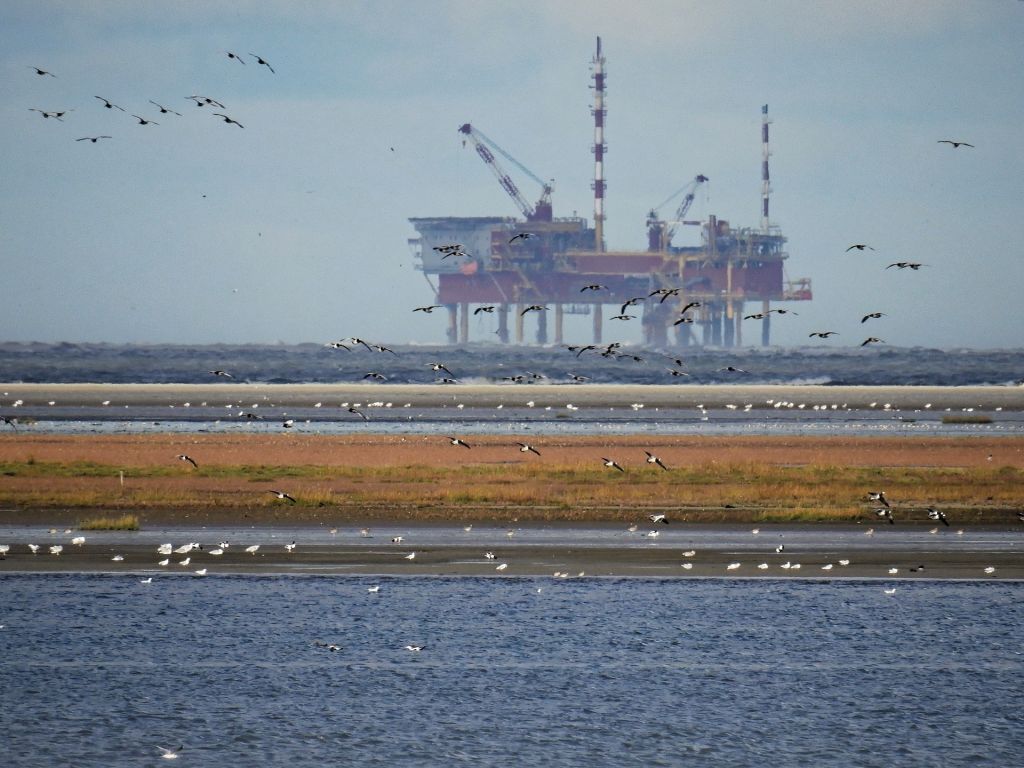
– The war in the Middle East could lead to the world’s worst energy crisis in decades – warned this week the Executive Director of the International Energy Agency (IEA), Fatih Birol.
Oil, as well as natural gas, produced by Iran, Iraq, Saudi Arabia, the UAE, Kuwait, Qatar and Bahrain, reach the world through the Strait of Hormuz. A quarter of the world’s maritime oil trade passes through this strait, according to data from the International Energy Agency (IEA). At least that was the case until the start of the Iran-Iran war on February 28, when the flow of crude oil and petroleum products through the Strait of Hormuz was 20 million barrels per day.
The disruption in the strait is not only causing the world to have a problem with oil supplies, but also with other goods. About a third of global fertilizer trade also passes through the strait.
And the consequences of reduced fertilizer supplies could easily lead to problems with food prices...
Both global and domestic analysts point out that the economic consequences of this conflict in the Middle East could be more serious and far-reaching if the war continues, i.e. the blockade of energy and petrochemical supplies.
Companies:
 Ekonomski fakultet Beograd
 Momentum Securities a.d. Novi Sad
 Međunarodni monetarni fond-MMF Beograd
Comments
Your comment
Naš izbor

Most Important News
Full information is available only to commercial users-subscribers and it is necessary to log in.
Pratite na našem portalu vesti, tendere, investicione projekte, grantove i pravnu regulativu.
Registracija na eKapiji vam omogućava pristup potpunim informacijama i dnevnom biltenu
Naš dnevni ekonomski bilten će stizati na vašu mejl adresu krajem svakog radnog dana. Bilteni su personalizovani prema interesovanjima svakog korisnika zasebno,
uz konsultacije sa našim ekspertima.