


 Izdanje Srbija
 Serbische Ausgabe
 Izdanje BiH
 Izdanje Crna Gora


 News
News


Preliminary Technical Study on the Application of Nuclear Energy in Serbia presented
Source: eKapija
 Sunday, 15.03.2026.
11:47
Sunday, 15.03.2026.
11:47
Sunday, 15.03.2026.
11:47
 Comments


Illustration (Photo: Petr Louzensky/shutterstock.com)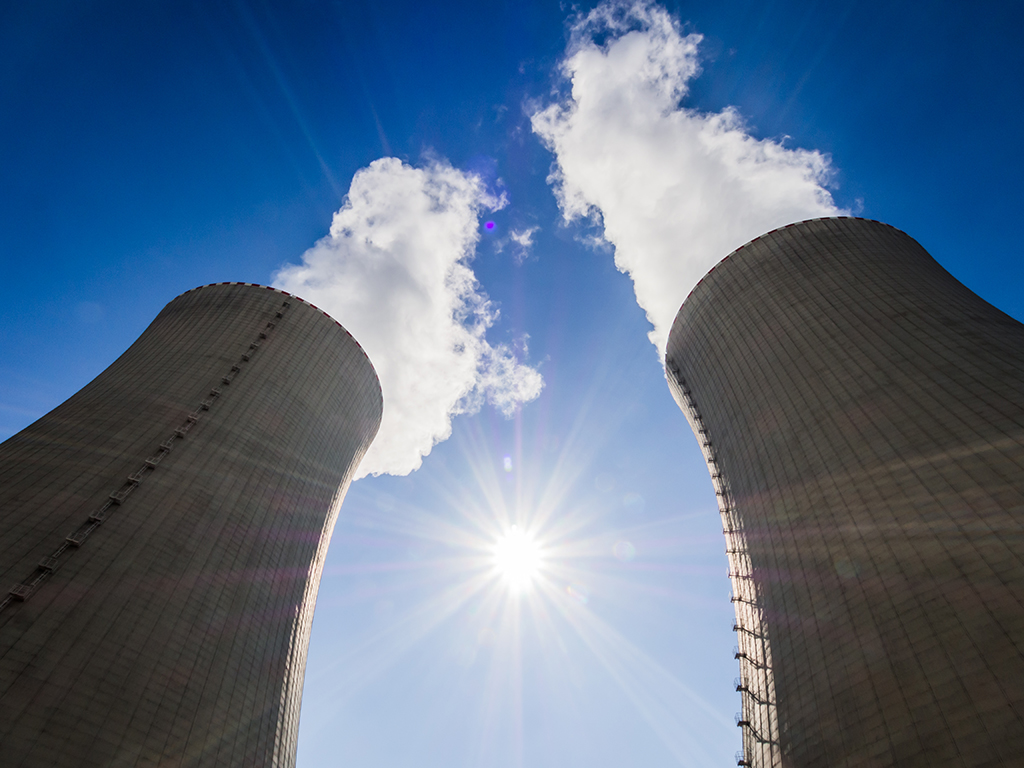
Development that will increasingly rely on data centers, artificial intelligence, and the electrification of industry and transport means greater energy needs, primarily for clean energy, which would also ensure the stability of the electricity system.
These needs are difficult to meet without nuclear energy, and the study assesses the conditions necessary for the development of a nuclear energy program in Serbia.
Special Advisor to the Minister of Mining and Energy for Nuclear Energy Miroslav Popovic stated that the most important thing was that the study provided Serbia’s first roadmap towards nuclear energy, which was aligned with the approach of the International Atomic Energy Agency (IAEA), and which indicated what had to be done and built as a prerequisite for the development of a nuclear program.
He stated that a comparative overview of technological options, both for conventional and small modular nuclear power plants, had been provided, without prematurely closing the door to any individual path.
The analysis of the power system indicates that nuclear energy would significantly contribute to the stability of the system and the reduction of import dependence, as well as decarbonization, said Popovic, adding that clean energy and secure supply were necessary for Serbia’s energy security in the coming decades, which was difficult to achieve without nuclear energy.
Head of Business Development at EDF Antoine Guelfi said that the general conclusion of the study was clear and that nuclear energy could be a strategic option for Serbia.
EDF, he said, provided a clear roadmap for the nuclear program and strategic insights for Serbia’s potential new nuclear program, stating that they were ready to continue cooperation with Serbia in the next phase.
The activities necessary to establish the infrastructure of the nuclear energy program, in accordance with the IAEA guidelines, are divided into three phases, with a total of 19 infrastructure issues.
Phase 1 involves examining the justification of the approach to the development of nuclear energy before making a decision to launch the Nuclear Energy Program.
Phase 2 involves making a decision to develop the Nuclear Energy Program, which includes activities related to the selection of the type of nuclear reactor, contracting and construction of the nuclear facility.
Construction is taking place in Phase 3 and will end when the nuclear power plant is synchronized with the electricity grid.
By mid-2027, all studies necessary for the Government to make an informed decision on the implementation of the nuclear program should be completed.
After that, the focus will be on strengthening institutional, regulatory and professional capacities, with the aim of Serbia being ready to select a technology and enter the construction contracting process by 2032, so that the nuclear power plant can be on the grid around 2040.
In Phase 1, the main topics are the development of the legislative framework and the analysis of regulatory readiness and nuclear safety infrastructure, human resource development, analysis of costs and potential sources of financing and public procurement strategies for the nuclear program, an overview of the existing and necessary industrial capacities for the construction and operation of the nuclear power plant and the establishment of a supply chain, where domestic industry will play an important role.
A particularly important area of action in this phase of the nuclear program will be the involvement of all stakeholders and the establishment of public support for the nuclear program.
Phase 1 will also consider industrial capacities for the production of various types of equipment for a nuclear power plant and the participation of domestic companies in the construction of the plant, and a strategy for the further development of industrial capacities in Serbia will be proposed.
The development of the nuclear program in phases 1 and 2 will be managed by the Group for the Preparation and Implementation of the Nuclear Energy Program, as an internal unit within the Ministry, and the Interdepartmental Expert Working Group.
Both groups together will form the National Nuclear Energy Program Implementation Body, which will act as the nuclear program implementation organization (NEPIO).
It was emphasized in the conversation that Serbian engineers, physicists, technicians, lawyers from faculties and institutes will be the main support in the development of the nuclear program, with continuous investment in the development and training of personnel.
The starting point for institutionalized cooperation between various actors in the development of the nuclear program is provided by the Memorandum of Understanding in the field of development of nuclear energy application in the Republic of Serbia, signed in July 2024, which, in addition to relevant state institutions, also included more than 20 faculties, institutes and power companies.
With the adoption of the Law on Amendments to the Law on Energy in November 2024, the Law on the Prohibition of the Construction of Nuclear Power Plants was repealed, thus lifting the moratorium that had lasted for more than 30 years.
The Integrated National Energy and Climate Plan (INECP) until 2030 with projections until 2050, through one of the scenarios, nuclear energy was introduced into the energy mix, where the introduction of nuclear power plants with a total capacity of up to 1,000 MW after 2040 is being considered, the statement added.
Djedovic Handanovic stated that the Preliminary Technical Study on the Peaceful Use of Nuclear Energy, prepared by the EDF, had provided recommendations for 19 key steps for the development of a nuclear program prescribed by the International Atomic Energy Agency and that it was now necessary to continue work on the development of the first phase of the nuclear program.
The Minister pointed out that the meeting discussed the continuation of cooperation in the next year, noting that it was important to clearly define priorities, to agree on the next steps and deadlines with a clear goal, which was the completion of the first phase of the nuclear program development with maximum efficiency.
She pointed out that, at that moment, Serbia did not have a complete legal or institutional framework necessary for the development of a peacetime nuclear program, adding that one of the areas in which cooperation was continuing was the analysis and study of the legal framework.
– By introducing nuclear energy, we would diversify our sources of supply and have a stable source of clean energy, all of which contributes to a better quality of life for citizens – emphasized Djedovic Handanovic and announced that a national body for the implementation of the nuclear energy program for peacetime purposes (NEPIO) would be formed not long after.
The minister said that Serbia had experts who were ready to work on the development of the nuclear program, but that strengthening human capacities was something it would work on the most in the next year.
– Spotting and recognizing experts, their development and training is another area in which we will cooperate with EDF – emphasized the minister, noting that the French electricity company had trained hundreds of engineers and strengthened human capacities in many countries when they launched their nuclear programs, such as Italy and China.
According to her, it is important to begin analyzing capacities in the economy, because the construction of a nuclear facility and the development of a nuclear program greatly contribute to the development of the economy and the formation of supply chains.
We also need to analyze our industry and assess the capacities for the participation of the local economy that we can use in the development of the nuclear program, she stated, adding that that meant a greater inflow of money and new jobs.
Djedovic Handanovic pointed out that it was also important to think about choosing a location for a nuclear facility.
Fontana said that EDF had programs and a structure that could support the development of the nuclear program in Serbia in all its components.

Tags:
EDF
Dubravka Đedović Handanović
Bernar Fontana
Preliminary Technical Study on the Peacetime Application of Nuclear Energy
Comments
Your comment
Naš izbor
Most Important News
Full information is available only to commercial users-subscribers and it is necessary to log in.
Pratite na našem portalu vesti, tendere, investicione projekte, grantove i pravnu regulativu.
Registracija na eKapiji vam omogućava pristup potpunim informacijama i dnevnom biltenu
Naš dnevni ekonomski bilten će stizati na vašu mejl adresu krajem svakog radnog dana. Bilteni su personalizovani prema interesovanjima svakog korisnika zasebno,
uz konsultacije sa našim ekspertima.