


 Izdanje Srbija
 Serbische Ausgabe
 Izdanje BiH
 Izdanje Crna Gora


 News
News


By 2030, around 1,500 MW of new state-owned electricity capacity – Preparatory work for RHPP Bistrica to begin this year

 Comments


Illustration (Photo: Unsplash/Dan Meyers)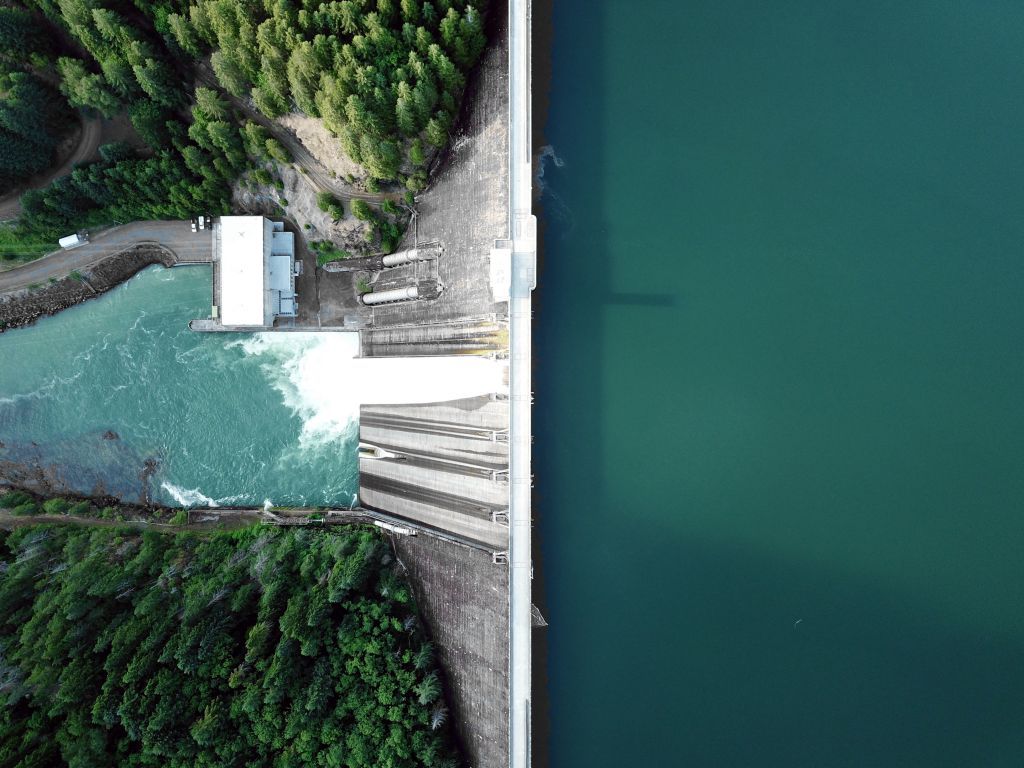
According to the state’s plans, significant investments are expected in electricity production, gas and oil infrastructure, as well as the start of the development of a nuclear program by 2035.
The plan, as she said in an interview with RTS, includes the construction of new gas-fired power plants, but also a stronger development of renewable energy sources. A special project is a gas-fired power plant in Nis, which should be implemented in cooperation with an Azerbaijani company.
– I expect the first gas power plant to be completed in Nis, which we will work on in cooperation with a company from Azerbaijan – said the minister.
At the same time, the state plans to invest further in solar power plants and wind farms, and Elektroprivreda Srbije will play a significant role in this.
One of the most important projects in the coming period is the construction of the Reversible Hydropower Plant Bistrica, which should enable a greater share of renewable energy in the electricity system. As she explained, the project is demanding due to the large number of procedures and permits that need to be obtained.
– It is very complex to obtain all the necessary permits - from location requirements to building permits – she said.
Numerous institutions are involved in the process, from local governments to institutions responsible for the protection of nature and cultural heritage.
– A large number of participants have to give their opinions on various documents – she added.
According to the plan, preparatory work on the project should begin this year.
– We will be ready to begin preparatory work, such as the construction of access roads or relocation of infrastructure – the minister stated.
The construction permit for the main facility is expected by the end of the year. The Japan International Cooperation Agency, which has been evaluating the project for a long time, also plays a significant role in the implementation of the project. The works could start as early as 2027, if financing is approved.
When it comes to EPS, she reminds that in the past year and a half EPS has increased its capacity by 426 MW, which, as she says, has not happened since 1991.
Last year was further complicated by extremely poor hydrology, as the previous year was the driest in 31 years, the minister said. As a result, hydroelectric power plants produced significantly less electricity than before.
– They operated almost 30% less than in 2023 – she explained.
However, Serbia is also facing obligations towards the European Union when it comes to reducing carbon dioxide emissions.
– We have the problem of the so-called carbon tax - a tax on carbon dioxide emissions – said the minister.
The largest emitter is Elektroprivreda Srbije due to its reliance on coal-fired thermal power plants.
– Our thermal power plants are still very important because they provide baseload energy – emphasized Dubravka Djedovic Handanovic, adding that renewable energy sources such as wind and solar could not ensure the stability of the system on their own.
– We can replace baseload energy through gas or nuclear power plants – said the minister.
That is why Serbia is also considering the development of a nuclear program.
– We expect the construction of the first nuclear power plant to begin by 2035 – announced Minister Djedovic Handanovic.
In preparing this project, the state is cooperating with the French company EDF, one of the largest electricity companies in Europe.
The construction of new gas pipelines that would connect several regions of Serbia is also planned.
– We need to build about a thousand kilometers of new gas pipelines – she emphasized.
Gasification should include parts of eastern and western Serbia, including cities such as Paracin, Negotin and Zlatibor.
At the same time, work is underway to expand the Banatski Dvor gas storage facility.
– I expect that most of the work will be completed in the next year – said the minister.
The storage capacity should be increased to about 750 million cubic meters of gas. The state is also planning to build a new Tilva gas storage facility, which would significantly increase overall capacity.
In addition to gas, an important project is the new oil pipeline between Serbia and Hungary. This project is intended to reduce dependence on a single oil supply route. Work could begin as early as late summer or early fall this year.


Tags:
Ministry of Mining and Energy
Elektroprivreda Srbije
EDF
RHPP Bistrica
JICA
gas storage facility Banatski Dvor
construction of gas storage facility Tilva
gas pipeline Serbia Hungary
construction of first nuclear power plant in Serbia
Comments
Your comment
Naš izbor

Most Important News
Full information is available only to commercial users-subscribers and it is necessary to log in.
Pratite na našem portalu vesti, tendere, investicione projekte, grantove i pravnu regulativu.
Registracija na eKapiji vam omogućava pristup potpunim informacijama i dnevnom biltenu
Naš dnevni ekonomski bilten će stizati na vašu mejl adresu krajem svakog radnog dana. Bilteni su personalizovani prema interesovanjima svakog korisnika zasebno,
uz konsultacije sa našim ekspertima.