


 Izdanje Srbija
 Serbische Ausgabe
 Izdanje BiH
 Izdanje Crna Gora


 News
News


Serbia on the threshold of the nuclear era: what participation in the “Paks 2” project brings

 Comments


(Photo: PIxabay.com/wostemme)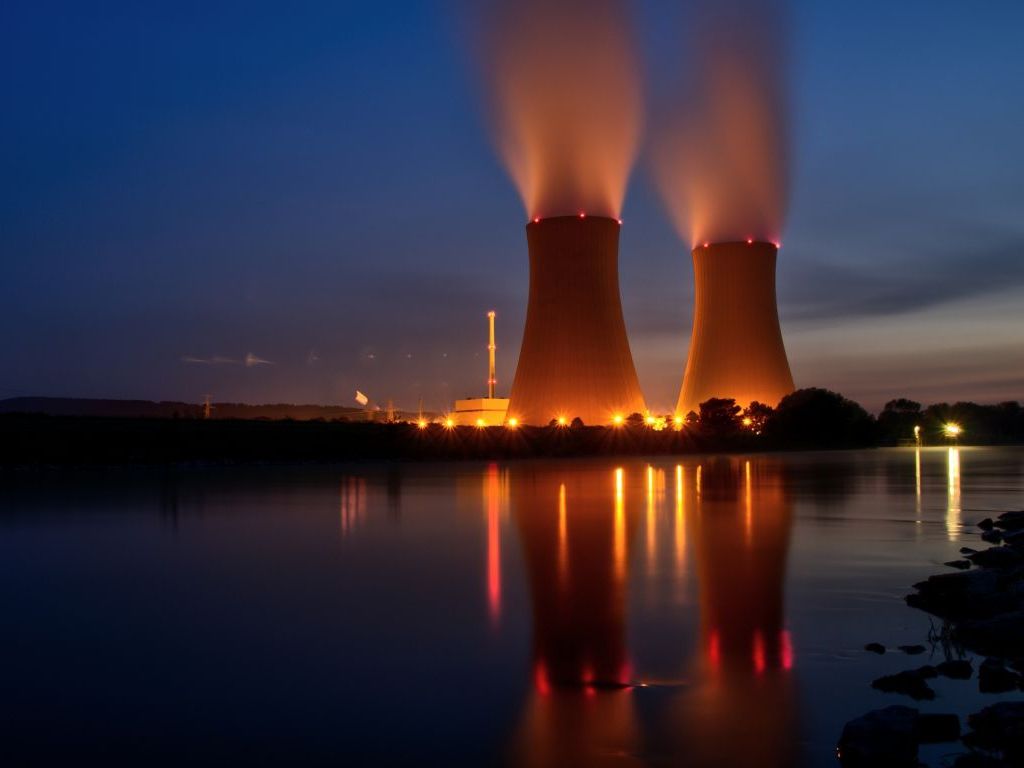
With the pouring of the first concrete in early February, Paks 2 moved from the preparation phase to the status of a facility under construction. Hungarian officials see the project as a symbol of energy sovereignty and long-term stability, as the life of a nuclear power plant is at least 60 years, with the possibility of extension. According to experts, stable electricity production in a member state of the European Union also means greater security for the entire region.
Ruzica Vranjkovic, a journalist for RTS who covers energy, reminds that Serbia has repeatedly expressed interest in participating in the project.
– Our officials have repeatedly confirmed that Serbia is considering a 5 to 10 percent stake. This would mean a lot to us – not only in terms of energy security, but also in terms of human resources development and access to modern technologies – Vranjkovic emphasizes.
The entrance hall of the nuclear family
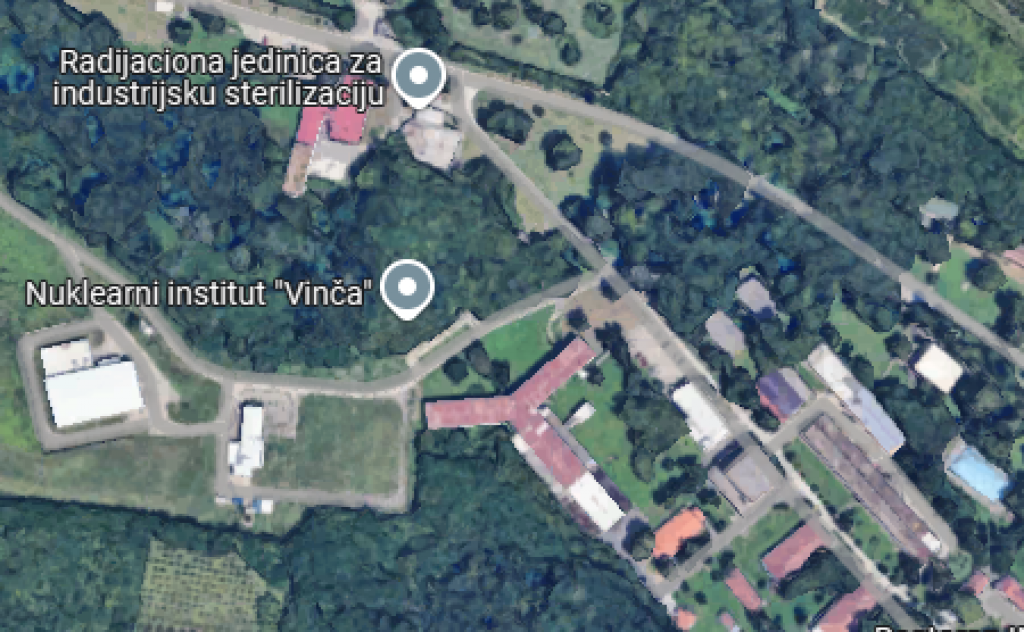
The Director of the Institute for Nuclear Sciences “Vinca”, Slavko Dimovic, believes that Serbia’s entry into the ownership structure of “Paks 2” would primarily have strategic and psychological significance.
– Buying 5 or 10 percent is a good, but absolutely insufficient step towards energy sovereignty. However, this is entering the so-called entrance hall of the nuclear family – accelerated formation of the human resources base and more serious communication with the public – emphasizes Dimovic.
He adds that in the long term, Serbia needs not only investments in existing projects in the region, but also the construction of its own capacities.
– Serbia needs at least two conventional nuclear reactors, as well as small modular reactors. Buying a stake in Paks must not exclude construction on its own territory – these two things must go in parallel – says Dimovic.
Paks 2 is being built by the Russian Rosatom, on a turnkey basis, but a French partner will also participate in the technological process. These are the latest generation reactors with improved safety systems.
– Today’s reactors are designed so that the experiences from Chernobyl and Fukushima are never repeated. Radiation safety and nuclear safety are at the highest level – explains Dimovic.
He emphasizes that it is crucial for Serbia to cooperate with all countries that have developed nuclear knowledge - from France, with which a memorandum has already been signed, to other European partners.
Social acceptability is the key to the success of the nuclear program
One of the arguments in favor of nuclear energy is stable and continuous production, independent of weather conditions. According to Ruzica Vranjkovic, Hungary already boasts one of the lowest electricity prices in Europe.
– Nuclear plants operate 24 hours a day and provide baseload energy. Renewable sources are necessary, but without nuclear energy it is difficult to respond to growing needs, from industry to the development of artificial intelligence – Vranjkovic emphasizes.
Dimovic adds that the key to the success of any nuclear program is social acceptability.
– Human resources, technology and money are necessary, but without public support the project cannot come to life. Our task is to make this process transparent and understandable – emphasizes the director of the Institute for Nuclear Sciences “Vinca.”
If the decision to participate in Paks 2 is made, Serbia would take the first concrete step towards returning to nuclear energy after more than 35 years - as part of a broader strategy to ensure a stable and affordable supply of electricity.


Fotografije:
Opis:
Vidi sve
Companies:
 Institut za nuklearne nauke Vinča Beograd
Tags:
Institute for Nuclear Sciences Vinča
Rosatom
NPP Paks 2
Ružica Vranjković
Slavko Dimović
Serbia share in NPP Paks 2
Investicije na lokaciji:
2026.
2025 - 2026.
2025 - 2026.
2025 - 2026.
2025 - 2026.
Vidi sve investicije
Comments
Your comment
Naš izbor
Most Important News
Full information is available only to commercial users-subscribers and it is necessary to log in.
Pratite na našem portalu vesti, tendere, investicione projekte, grantove i pravnu regulativu.
Registracija na eKapiji vam omogućava pristup potpunim informacijama i dnevnom biltenu
Naš dnevni ekonomski bilten će stizati na vašu mejl adresu krajem svakog radnog dana. Bilteni su personalizovani prema interesovanjima svakog korisnika zasebno,
uz konsultacije sa našim ekspertima.