


 Izdanje Srbija
 Serbische Ausgabe
 Izdanje BiH
 Izdanje Crna Gora


 News
News


Serbia entering five-year railway investment cycle worth EUR 14.36 billion! – Focus on Corridor 10, regional and international connections
Source: eKapija
 Wednesday, 14.01.2026.
11:00
Wednesday, 14.01.2026.
11:00
Wednesday, 14.01.2026.
11:00
 Comments


Illustration (Photo: Franz Pfluegl/shutterstock.com)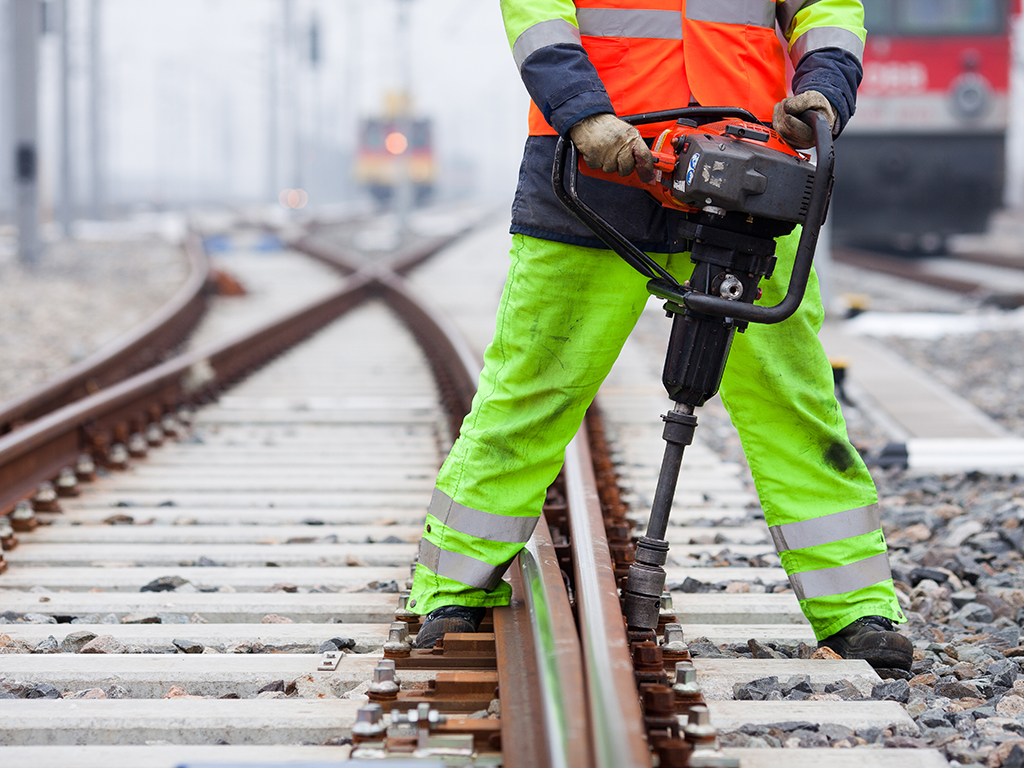
The total investment value of all railway projects in Serbia in the next five years, according to the data from the document, is around EUR 14.36 billion.
In the construction and preparation phase, the total investment value is over EUR 3.6 billion, while an additional RSD 7.5 billion and USD 1.25 billion are going to projects such as the reconstruction of the Belgrade–Nis, Nis–Dimitrovgrad railways, the modernization of the Hungarian-Serbian railway, the construction of new railways and bridges, and the urgent renovation of the railway infrastructure.
Projects in the planning and preparation of technical documentation phase, whose value reaches almost EUR 4 billion, include key sections such as Brestovac–Presevo, Stara Pazova–Sid, Stalac–Kraljevo–Rudnica and Valjevo–Vrbnica.
In addition, the development of technical documentation for six projects from the budget of the Republic of Serbia has been contracted, with a total value of EUR 1.5 billion, including the reconstruction of the Vrbas–Sombor and Pancevo–Subotica railways, as well as the construction of new stations in Belgrade.
The planned projects for which technical documentation and funding sources have not yet been determined include railways such as Lapovo–Kraljevo, Subotica–Sombor–Novi Sad, Nis–Zajecar and Valjevo–Loznica, with an estimated value of more than EUR 4 billion.
The document reminds that more than half of the railway network in Serbia was built in the 19th century, the average age of the tracks is about 55 years, and trains on almost half of the tracks move at speeds below 60 kilometers per hour.
According to the National Railway Infrastructure Development Program, the total length of railways in Serbia is 3,379 kilometers, of which as much as 90% is single-track. Double-track railways make up only a tenth of the network, while on main routes such sections account for only 19.5%, which seriously limits traffic capacity, especially on international and transit routes.
Speeds are a particular problem. Only 6.27% of the railway lines allow traffic at speeds exceeding 100 km/h, while so-called slow driving has been introduced on a large number of sections due to the dilapidated infrastructure and insufficient maintenance in previous decades.
Level crossings – the weakest link in the system
Safety at level crossings remains one of the biggest challenges. There are a total of 1,730 level crossings on the railway network in Serbia, and less than 30% of them have adequate signaling and safety protection.
The plan envisages their gradual abolition or de-leveling, especially on main lines, as well as the installation of modern automatic half-bumpers, video surveillance and additional protection for pedestrians and cyclists in urban areas. Estimates show that solving this problem requires about 430 million euros, with the inevitable participation of local governments.
I. Zikic

Tags:
Ministry of Construction Transport and Infrastructure
Proposal for the National Public Railway Infrastructure Program from 2025 to 2029
railway reconstruction
Comments
Your comment
Naš izbor


Most Important News
Full information is available only to commercial users-subscribers and it is necessary to log in.
Pratite na našem portalu vesti, tendere, investicione projekte, grantove i pravnu regulativu.
Registracija na eKapiji vam omogućava pristup potpunim informacijama i dnevnom biltenu
Naš dnevni ekonomski bilten će stizati na vašu mejl adresu krajem svakog radnog dana. Bilteni su personalizovani prema interesovanjima svakog korisnika zasebno,
uz konsultacije sa našim ekspertima.