


 Izdanje Srbija
 Serbische Ausgabe
 Izdanje BiH
 Izdanje Crna Gora


 News
News


Foreign investors believe Serbia urgently needs new Trade Law
Source: Biznis.rs
 Monday, 24.11.2025.
10:41
Monday, 24.11.2025.
10:41
Monday, 24.11.2025.
10:41
 Comments


Illustration (Photo: Unsplash/Mehrad Vosoughi)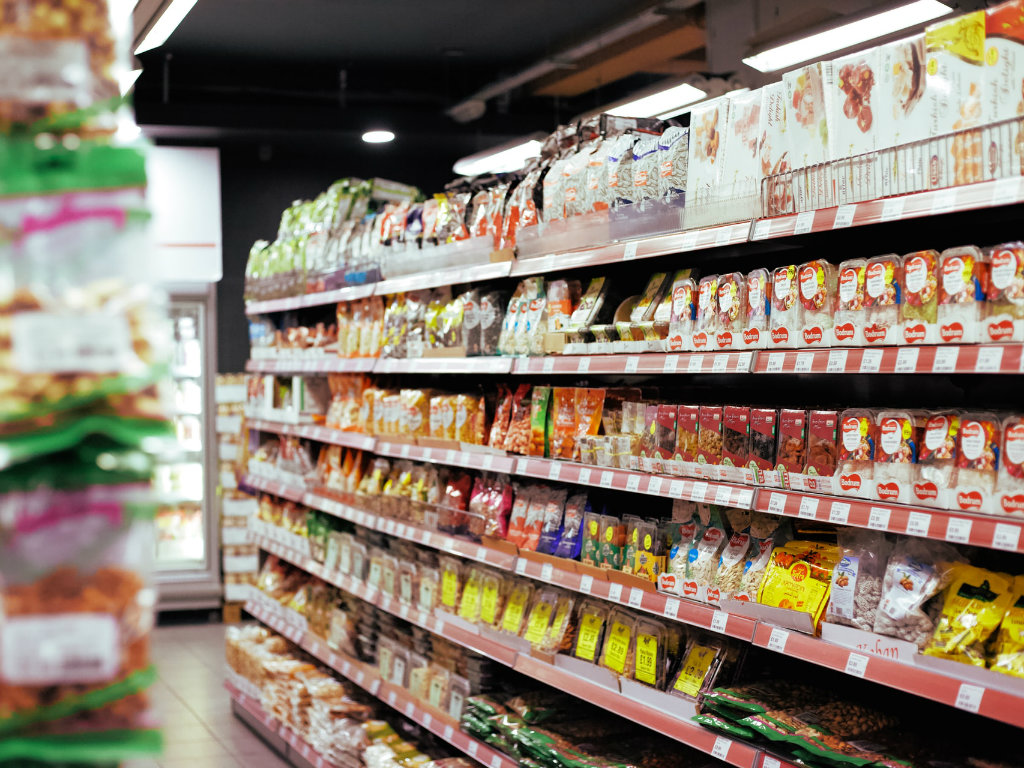
– Although the innovations introduced by the aforementioned laws have contributed to increasing legal certainty and the overall economic ecosystem in the Republic of Serbia, there is still room for progress, which is why it is crucial that the Serbian Parliament adopts the new Trade Law as soon as possible. This would further align the relevant legal framework with EU regulations and standards – states the FIC.
The Foreign Investors Council believes that it is important for Serbia’s regulatory framework to keep pace with current trends, especially considering the fact that the Trade Law has not been amended since its adoption in 2019.
Regulation on margin limitation adopted without public consultation
In the White Paper, the Foreign Investors Council also addressed the limitation of retail chain margins without further consideration. Namely, the FIC warns that the new Regulation has caused a number of uncertainties in practice, primarily due to the lack of public consultation in the draft phase and the short deadline for implementation.
– The aim of the Regulation is to limit the trade margin to a maximum of 20 percent for 23 product categories. The adopted Regulation has opened up a number of uncertainties for action in practice, given the lack of public consultation while it was in the draft phase and the extremely short deadline for implementation. We will comment on the specific effects of the adopted Regulation in the next edition of the White Paper – the analysis states.
Although the effects of margin limitations have been discussed since the beginning of the application of the Regulation, which entered into force on September 1 and is valid for six months, data from the National Bank of Serbia show that this measure had the greatest impact on the decline in inflation.
Thus, year-on-year inflation in Serbia in September was 2.9 percent, the lowest level since April 2021. Just a month earlier, in August, inflation reached 4.7 percent, while in October it was 2.8 percent, continuing the slowdown trend.
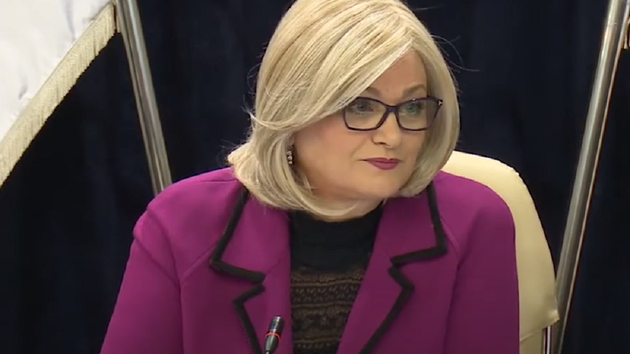
– Out of a total of 167 products that make up the food component of inflation, 147 products recorded a monthly decrease in price in September, so that the year-on-year growth in food and non-alcoholic beverages prices was reduced to 1.7 percent, from 7.8 in August. However, we estimate that the slowdown in inflation would have occurred even without the introduction of the Regulation. This is particularly evident in core inflation (calculated after excluding the prices of food, energy, alcohol and cigarettes), which slowed to 3.9 percent in September and then to 3.8 percent in October, both due to the slowdown in the growth of industrial product prices and the slowdown in the growth of service prices – said the Governor of the National Bank of Serbia, Jorgovanka Tabakovic, at the presentation of the inflation report.
What key problems remain?
Until all the accumulated problems in the trade sector are resolved, open questions and remaining problems remain, which the Foreign Investors Council points out in this year’s White Book.
Namely, the growth of e-commerce has led to an increase in abuses, especially by unregistered traders, warns FIC, adding that these entities are not subject to regulations on product safety, consumer protection and advertising, which exposes buyers to risk.
One of the key problems is the lack of a definition of “trader” in the current law, which creates a legal gap and makes it difficult to regulate the market.
– Work has been underway on a draft of the new Trade Law for some time now, and we believe that today, more than ever, is the right time to improve certain solutions and adopt a new law for the benefit of the entire Serbian economy. There is a serious legal gap due to the lack of a definition of a trader - that is, an entity that carries out trade activities and to which this law primarily applies – assesses FIC.
The recommendations emphasize that there is a clear need to introduce a definition of related traders - primarily in the context of prescribing the legal basis for determining liability for unfair market competition.
It also points out that it is important to harmonize the relevant provisions of the Trade Law (primarily Article 34) with the Food Safety Law and related by-laws.

Tags:
Foreign Investors Council
FIC
National Bank of Serbia
Jorgovanka Tabaković
White Book
Trade Law
Comments
Your comment
Naš izbor


Most Important News
Full information is available only to commercial users-subscribers and it is necessary to log in.
Pratite na našem portalu vesti, tendere, investicione projekte, grantove i pravnu regulativu.
Registracija na eKapiji vam omogućava pristup potpunim informacijama i dnevnom biltenu
Naš dnevni ekonomski bilten će stizati na vašu mejl adresu krajem svakog radnog dana. Bilteni su personalizovani prema interesovanjima svakog korisnika zasebno,
uz konsultacije sa našim ekspertima.