


 Izdanje Srbija
 Serbische Ausgabe
 Izdanje BiH
 Izdanje Crna Gora


 News
News


Fiscal Council: Implementation of CBAM principles to significantly increase price of Serbian export products on EU market, highest expected for cement, 40 to 60%
Source: Beta
 Thursday, 16.10.2025.
10:24
Thursday, 16.10.2025.
10:24
Thursday, 16.10.2025.
10:24
 Comments


Illustration (Photo: Pixabay.com/Life-Of-Pix)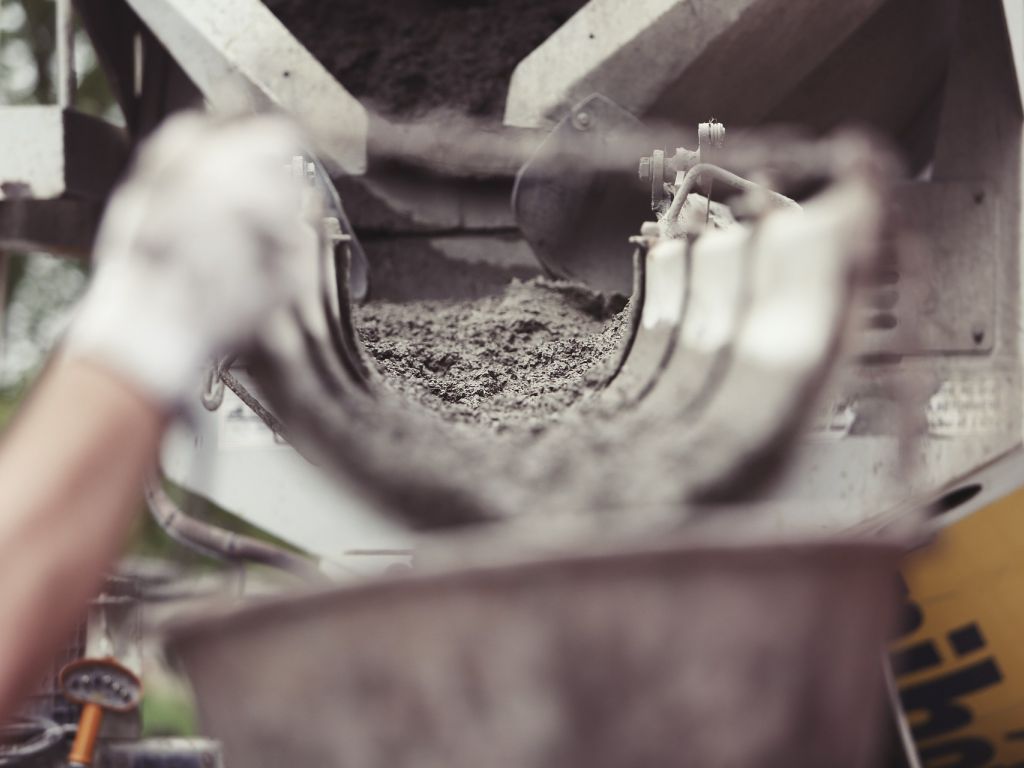
– In order for Serbia to catch up with the EU in this area, climate and energy policies must become an absolute priority of the Government. Energy and climate transition will be among the greatest strategic challenges for Serbia in the coming period, because these are processes that will shape electricity prices, affect the competitiveness of the economy, i.e. revenues and public expenditures. Decarbonization is the key to maintaining the competitiveness of domestic industry on the EU market, which is why investments in reducing greenhouse gas emissions and energy efficiency are needed to mitigate CBAM costs – said Blagoje Paunovic, President of the Fiscal Council, at the presentation of the report “Climate and Energy Transition of Serbia and Public Finances: Will CBAM Trigger Change?”
He pointed out that the costs of implementing CBAM, i.e. paying the carbon footprint of the economy to Serbia, would be moderate at first, but that they would become significant later. Paunovic stated that, in 2026, costs for all industrial products should amount to around EUR 45 million, with the total CBAM obligations for that sector increasing to EUR 150 to 200 million in 2030. He explained that the implementation of the CBAM principle would lead to a significant increase in the price of Serbian export products to the EU market.
–The highest price increase is expected for cement, from 40 to 60%, due to its low value in relation to the price of emissions. For iron and steel, prices are expected to increase by about 10 to 20%, for fertilizers by 10 to 15%, and for aluminum by about 5% – said Paunovic.
He added that, since the levy would also apply to products from the EU, their price would also be higher, so the estimated average loss of price competitiveness of Serbian products on the EU market by 2030 would be four to five percentage points. As Paunovic said, Serbia has a significantly higher carbon footprint per unit of product than its EU competitors.
– For industrial products, steel, cement and aluminum, emissions are 15 to 20% higher, while the most drastic difference is in electricity production, because greenhouse gas emissions in Serbia are three to four times higher than in the EU – said Paunovic.
He explained that the reason for such a large deviation from the EU average was Serbia’s long-standing delay and lagging behind in climate policies. As he pointed out, the main cause of the problem is the production of electricity from lignite in Elektroprivreda Srbije (EPS), because almost 80% of greenhouse gas emissions come from the energy sector, of which the production of electricity and heat accounts for about 50%. Paunovic stated that Serbia was late in meeting its climate goals to which it had committed itself under international agreements. According to him, from 2010 to 2023, greenhouse gas emissions in Serbia were reduced by 3.4%, and in the countries of Central and Eastern Europe by about 20%.
– Apart from a lot being done on the standards, little has been achieved in practice – said Paunovic.
The report states that Serbia has almost twice as many greenhouse gas emissions per unit of product as the average for Central and Eastern Europe, and there are two key reasons - low energy efficiency and a poor energy mix structure. Serbia consumes 55% more energy per unit of GDP than the average for Central and Eastern Europe due to outdated technologies in industry, poor insulation of buildings, and high losses in energy transmission.


Tags:
Fiscal Council
Elektroprivreda Srbije ad Beograd
climate goals
CBAM
decarbonization
Carbon Border Adjustment Mechanism
exports of Serbian companies in EU
Comments
Your comment
Naš izbor


Most Important News
Full information is available only to commercial users-subscribers and it is necessary to log in.
Pratite na našem portalu vesti, tendere, investicione projekte, grantove i pravnu regulativu.
Registracija na eKapiji vam omogućava pristup potpunim informacijama i dnevnom biltenu
Naš dnevni ekonomski bilten će stizati na vašu mejl adresu krajem svakog radnog dana. Bilteni su personalizovani prema interesovanjima svakog korisnika zasebno,
uz konsultacije sa našim ekspertima.