


 Izdanje Srbija
 Serbische Ausgabe
 Izdanje BiH
 Izdanje Crna Gora


 News
News


Serbia to get a network of chargers for electric vehicles, hydrogen and gas – Locations to be “chosen” by a law that is being prepared

 Comments


Electric charger (Photo: Matej Kastelic/shutterstock.com)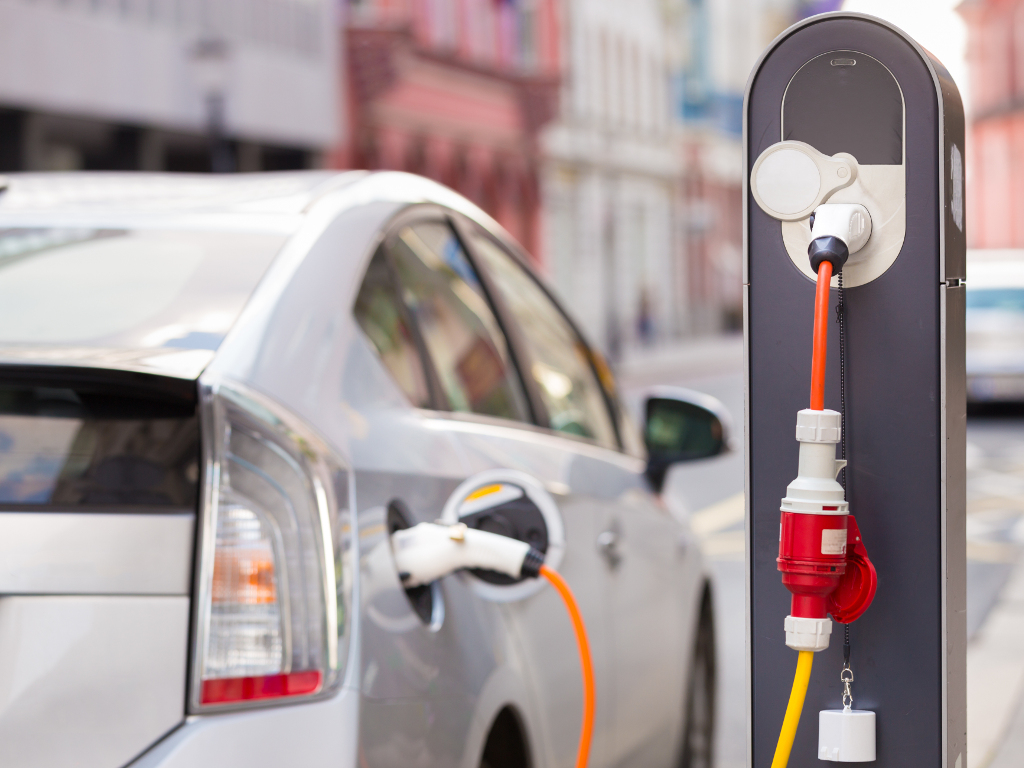
Even when their vehicle runs on hydrogen, natural gas or batteries. Charging should not be lacking even when it comes to ships, planes and trains.
The Draft Law on the Regulation of Infrastructure for Alternative Fuels is currently being prepared.
230 public chargers in Serbia
The public debate lasts until June 25. The Ministry of Construction, Transport and Infrastructure is accepting comments, proposals and suggestions.
According to the latest data, in Serbia, it is currently possible to charge an electric car at a total of about 230 public chargers.
And the drivers of about 7,200 electric vehicles, which are registered in Serbia, need this.
What the law should solve
Harmonization of domestic regulations with European regulations has been expected for some time. The law in preparation should solve this, but also some other problems that accompany the development of this infrastructure.
Liquid auto gas (Photo: nattanan726/shutterstock.com)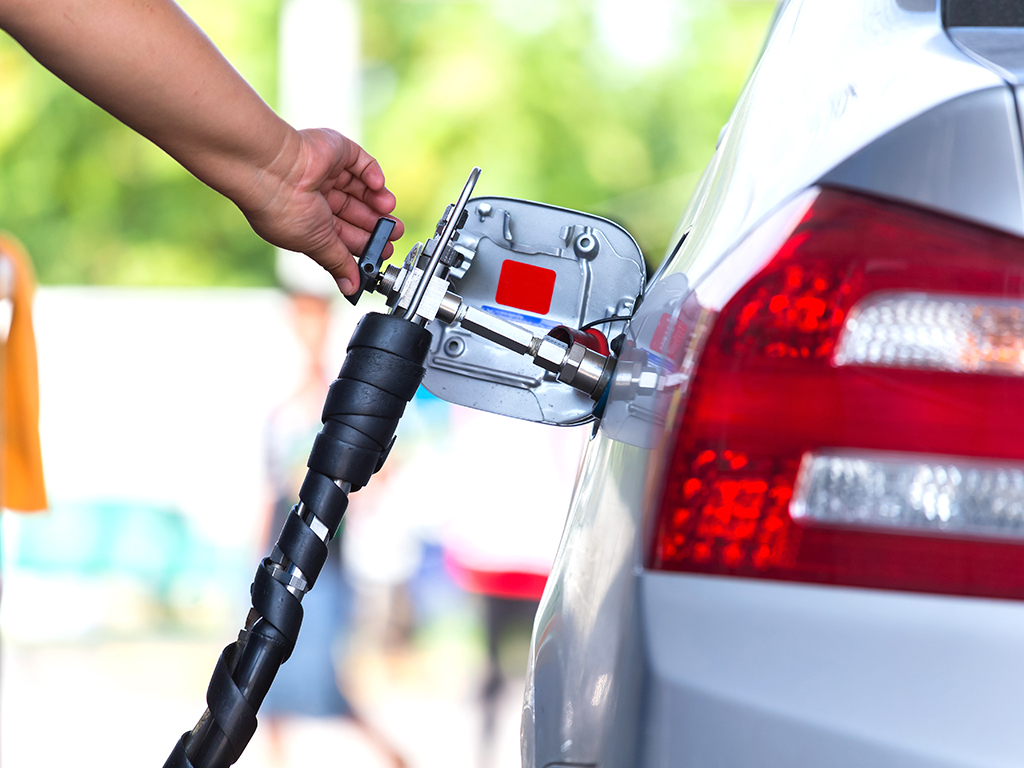
– We have many problems. Now, when someone wants to install a charging station, they have to submit an application to the local government unit. It can request a building permit for the charger, which makes no sense – Filip Mitrovic tells Forbes Serbia.
He emphasizes that European regulations for installing infrastructure for alternative fuels help in two ways.
– First, the station is not treated as a construction facility and a building permit is not required. The second, perhaps even more important, segment is to introduce fair charging – says Mitrovic.
How to get a fair price
Mitrovic adds that we are quite unique in Europe in terms of the method of charging for the use of chargers.
– We now have a big problem. In Serbia, charging is charged based on the time spent on the charger. Users who drive electric cars know that this does not make sense. The only fair charge is based on how many kilowatt hours are used – believes Mitrovic.
In the current text of the Draft Law, we did not find such a precisely defined fair charge. It states that they must be “justified, easily and clearly comparable, transparent and non-discriminatory.”
– Operators of publicly accessible charging points may not, through the prices they charge, differentiate between end users and mobility service providers, nor between different mobility service providers. The level of prices may only differ if that difference is proportional and objectively justified – the draft also states.
Station per 50,000 inhabitants and 60 km
According to this draft, every municipality with 50,000 inhabitants is obliged to ensure the installation of at least one charging station for small electric vehicles.
Illustration (Photo: Shutterstock/Scharfsinn)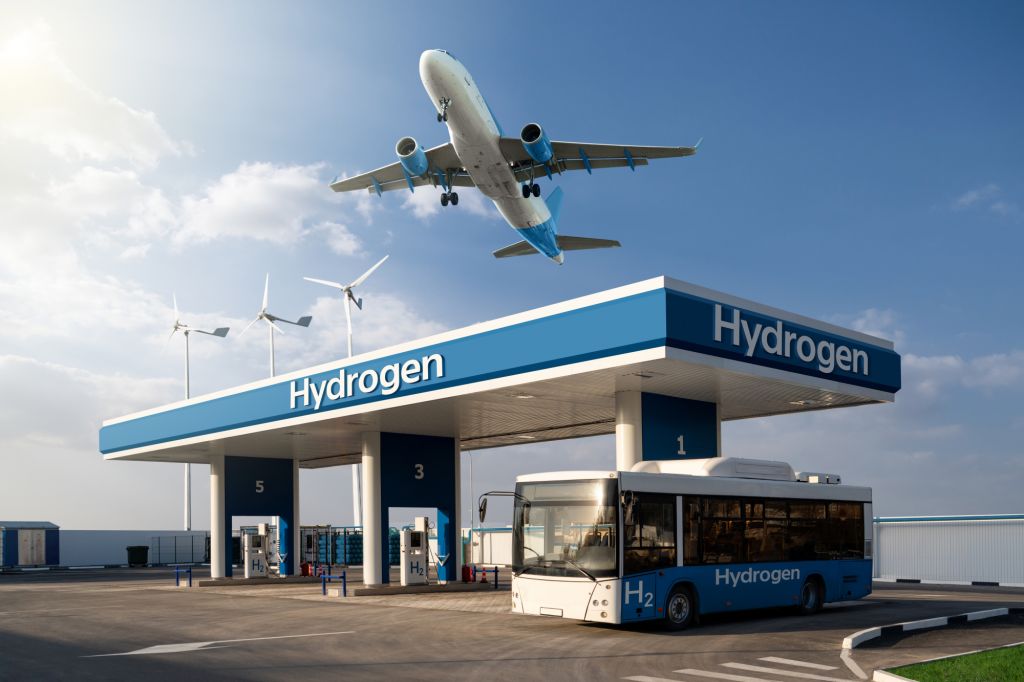
If the place is on the route of an international cycle path, they are obliged to ensure the installation of at least one charging station for electric bicycles.
A minimum of two charging points is required. The deadline is the same - two years.
On state roads, which are part of the transport network, publicly accessible charging stations for light vehicles will be installed at a maximum of 60 kilometers.
Power targets
These are the output power targets that they will have to meet at the end of each year, starting in 2028.
For each registered light battery electric vehicle, the total output power must be at least 1.3 kW. For each light hybrid vehicle, the total output power must be at least 0.8 kW.
The distance on state roads where chargers for heavy electric vehicles must be installed is also prescribed.
They are required on at least 15% of the length of the state road network. A collective charging point for heavy electric vehicles is installed.
They must provide an output power of at least 1,400 kW and at least one charging point with an individual output power of at least 350 kW.
The deadline is five years from the date of adoption of the planning document.
Where to fill up with hydrogen
The state road manager, as well as the investor of the future road, will have to provide locations for the installation of hydrogen vehicle supply stations.
The specified distance between them is a maximum of 200 km. The deadline is seven years from the date of entry into force of this law.
– Within 10 years from the date of adoption of the planning document referred to in paragraph 1 of this article, publicly accessible hydrogen vehicle supply stations must be installed on state roads that are part of the basic indicative TEN-T network, with a capacity of at least 1 ton per day and equipped with a pump under a pressure of 700 bar – the draft law states.
When it comes to gas stations that will enable the supply of liquefied natural gas, they will be installed in accordance with the market assessment.
Facilities in both ports and airports
– The organization responsible for managing ports, i.e. international passenger terminals, is obliged to provide at least one facility for the supply of electricity to inland waterway vessels from land in all ports of the indicative core TEN-T network – the draft law stipulates.
Within three years, airports will also have to provide electricity for stationary aircraft.
At all parking positions for aircraft with contact, which are used for public air transport for the purpose of boarding or disembarking passengers.
Except in the case of emergency interventions when the supply of electricity is disabled.
The national policy concept will determine the development of alternative fuel technology and propulsion systems for sections of railway lines that cannot be fully electrified.
The alternative is hydrogen-powered trains or battery-powered trains.

Tags:
Ministry of Construction Transport and Infrastructure
Draft Law on the Regulation of Infrastructure for Alternative Fuels
Filip Mitrović
electric vehicles
electric chargers
Comments
Your comment
Naš izbor



Most Important News
Full information is available only to commercial users-subscribers and it is necessary to log in.
Pratite na našem portalu vesti, tendere, investicione projekte, grantove i pravnu regulativu.
Registracija na eKapiji vam omogućava pristup potpunim informacijama i dnevnom biltenu
Naš dnevni ekonomski bilten će stizati na vašu mejl adresu krajem svakog radnog dana. Bilteni su personalizovani prema interesovanjima svakog korisnika zasebno,
uz konsultacije sa našim ekspertima.