


 Izdanje Srbija
 Serbische Ausgabe
 Izdanje BiH
 Izdanje Crna Gora


 News
News


Strategy for the Management of Mineral and Other Geological Resources of Serbia until 2040 adopted
Source: eKapija
 Friday, 24.04.2026.
09:14
Friday, 24.04.2026.
09:14
Friday, 24.04.2026.
09:14
 Comments


(Photo: Aleksandr Pobedimskiy/shutterstock.com)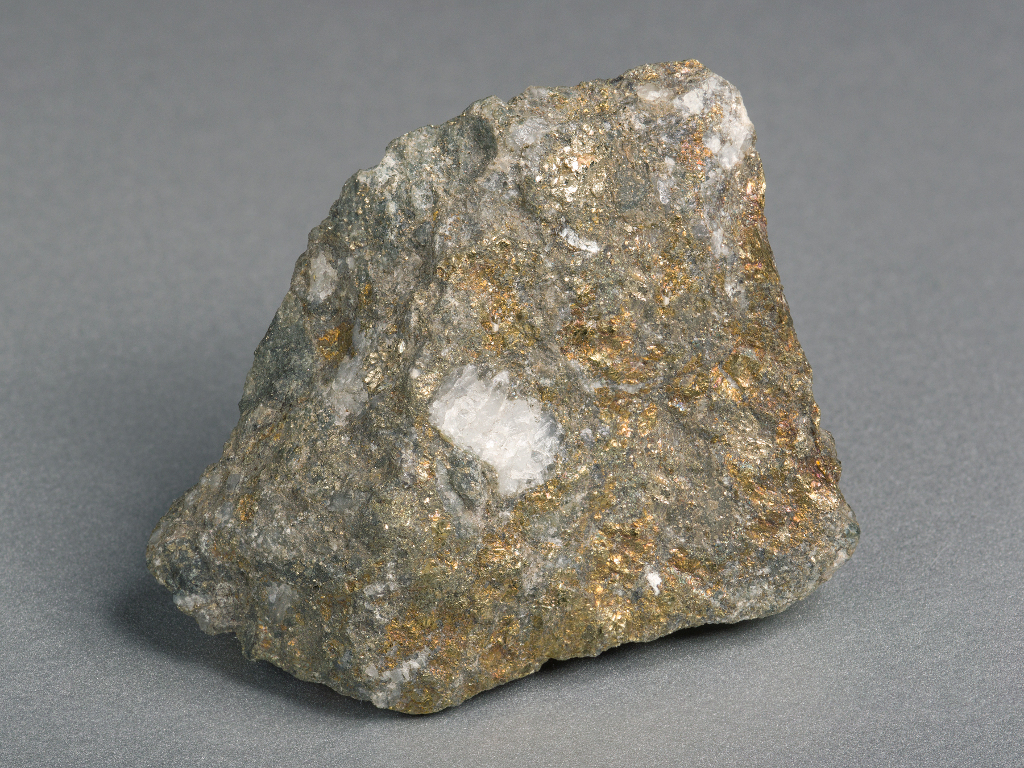
Minister of Mining and Energy Dubravka Djedovic Handanovic said on the occasion of the adoption of the Strategy that the vision in that document was for the Republic of Serbia to be a state that responsibly and sustainably managed its mineral resources, while developing a modern, technologically advanced and competitive mining sector, the Ministry announced.
– This is the first strategy in the history of our country that systematically and comprehensively deals with the management of mineral resources. Serbia has not had a valid strategic policy in this area until now - the last strategy was prepared in 2011, but was never adopted by the National Assembly. Natural resources in this document are not viewed as a mere raw material base, but as a strategic potential for economic development, industrial progress, energy security and strengthening the energy independence of the country. The state will not allow uncontrolled exploitation of mineral resources, nor will it block development. The path we have chosen is the path of development with full implementation of environmental standards, institutional control and accountability to citizens – said the minister.
Djedovic Handanovic emphasized that the Strategy recognized the role of local governments and the need for their greater involvement.
– Development must not be imposed, but agreed upon, which means that citizens must be informed, institutions must be present, and standards must be clear and controlled – she said.
According to her, the Strategy pays special attention to critical and strategic mineral resources, which represent the foundation of a new industry, from batteries and electromobility, to high technologies and energy transition. – In a time of global geopolitical changes, the struggle for resources and market instability, mineral resources have become a matter of national security. A politically responsible state must strive for greater domestic processing, greater added value, new factories, new technologies and new jobs – she stated.
The Strategy is based on three main pillars of sustainable development – economic, environmental and social. The first pillar includes investments, ensuring the stability of mineral supply and the development of an industrial value chain based on domestic resources. The second, environmental, includes improving environmental protection, implementing the principles of sustainable mining and reducing negative impacts through the application of modern technologies. The third, social, includes human resources development, strengthening cooperation with local communities and improving transparency in the sector.
The overall objective of the Strategy is the sustainable management of geological exploration and exploitation of mineral resources in order to ensure long-term industrial, economic and social development. Three specific objectives and a total of 19 measures have been defined to achieve this objective.
The first objective refers to the modernization of geological exploration and mining, through improved regulations, data digitalization and modern management systems. The second objective refers to ensuring access to mineral resources, through greater geological exploration, identification of new deposits and better spatial planning. The third objective refers to the development of knowledge and human resources, strengthening scientific research and improving education and professional development.
The development of the Strategy and the Strategic Environmental Impact Assessment Report was prepared with the support of the University of Belgrade - Faculty of Mining and Geology, and the public debate lasted a total of 56 days, considerably longer than the time period prescribed by the regulations.
In parallel with the development of the Strategy, the development of a strategic environmental impact assessment was initiated in accordance with the regulations in the relevant area, and consultations were also conducted on the transboundary impact of the implementation of the strategy on the environment.
Companies:
 Ministarstvo rudarstva i energetike Republike Srbije
 Narodna skupština Republike Srbije
 Rudarsko geološki fakultet Univerziteta u Beogradu
Tags:
Faculty of Mining and Geology at the University of Belgrade
Dubravka Đedović Handanović
Strategy for the Management of Mineral and Other Geological Resources of the Republic of Serbia until 2040
Comments
Your comment
Naš izbor


Most Important News
Full information is available only to commercial users-subscribers and it is necessary to log in.
Pratite na našem portalu vesti, tendere, investicione projekte, grantove i pravnu regulativu.
Registracija na eKapiji vam omogućava pristup potpunim informacijama i dnevnom biltenu
Naš dnevni ekonomski bilten će stizati na vašu mejl adresu krajem svakog radnog dana. Bilteni su personalizovani prema interesovanjima svakog korisnika zasebno,
uz konsultacije sa našim ekspertima.