


 Izdanje Srbija
 Serbische Ausgabe
 Izdanje BiH
 Izdanje Crna Gora


 News
News


Mali: Enough diesel and gasoline in warehouses for three months, Serbia receives praise from rating agencies
Source: eKapija
 Friday, 17.04.2026.
09:36
Friday, 17.04.2026.
09:36
Friday, 17.04.2026.
09:36
 Comments


(Photo: ekipaj/shutterstock.com)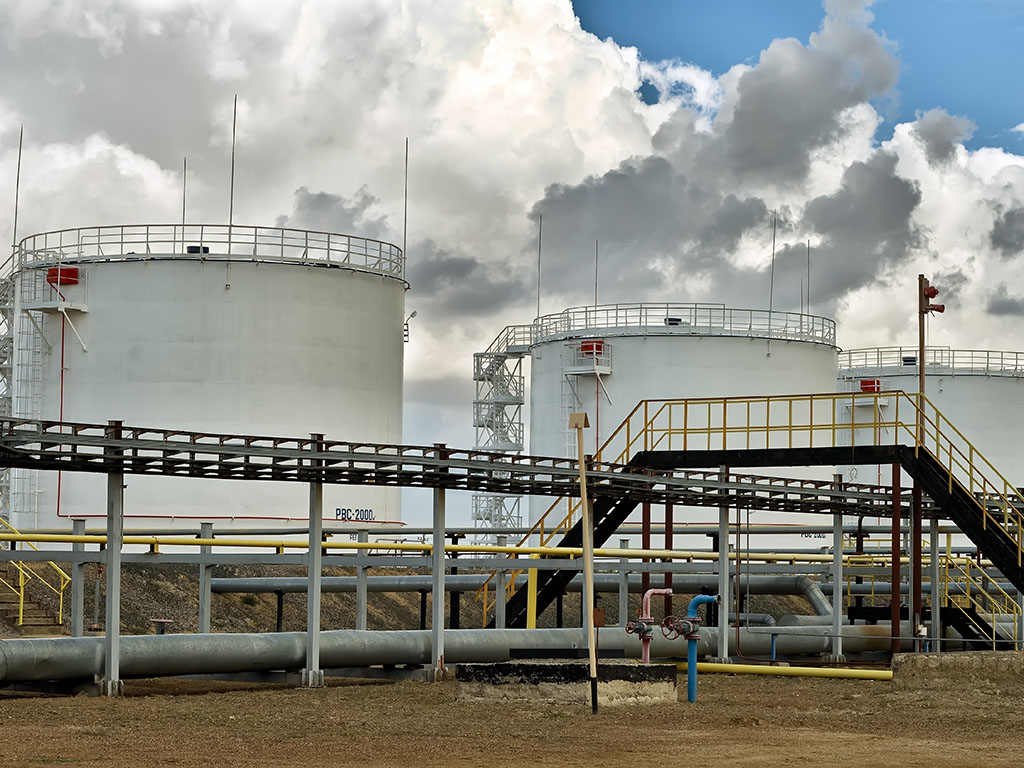
Mali first met in Washington with representatives of the international rating agencies Standard and Poor’s and Moody’s, and during his stay in Washington he will also meet with the Fitch Ratings agency.
After the conversation, the First Deputy Prime Minister said that Serbia had received praise for the way it reacted to the energy crisis, and emphasized that Serbia had prevented price hikes at gas stations and possible shortages, the website of the Government of Serbia reported.
He stated that at that moment Serbia had diesel reserves in its warehouses for 92 days and gasoline reserves for 85 days.
– So, if nothing happens in the next three months, we have enough. We also have enough gas with 600 million cubic meters of gas in our reservoirs in Banatski Dvor and in Hungary. Plus, in such a difficult situation, through the fiscal policy of reducing excise duties on fuel by 25%, the state has once again taken on the brunt of this crisis. Because, as you can see, if it was the market price of diesel at gas stations now, it would be over 260 dinars, and it is far below that, precisely because of the state’s reaction – he emphasized.
Mali stated that the state had taken measures related to reducing excise duties on fuel and emphasized that there was a financial cost to this measure, but that the state was ready to take on that part of the burden, given that it had stable finances.
The minister said that rating agencies saw Serbia as stable and suitable for investment.
– At the moment, we are the only country in the Western Balkans that has an investment credit rating, the only country that is a candidate for full membership in the EU that has an investment rating, and of course our goal is not only to preserve it but also to improve it year after year, which is not easy in these conditions and the global disruptions that the world economy is facing – assessed the First Deputy Prime Minister.
He said that the 2026 session of the International Monetary Fund and the World Bank Group was different than usual, because it was taking place at a time of probably the biggest crisis that the world economy had faced since World War II.
Mali stated that the price of a barrel of oil was USD 100, whereas before the start of the Gulf War it had been USD 65 per barrel, and that now it was going to USD 110, USD 115, doubling in just a few weeks.
According to him, when it comes to the price of gas, it was USD 380 per 1,000 cubic meters of gas before the Gulf War, and now it is USD 523, USD 530.
He added that, although the market was disrupted everywhere, Serbia was doing better in such conditions than other countries.
Mali said that Serbia was doing very well, primarily because it had stable public finances, because the share of public debt in GDP was 41.7 percent, while the average in the eurozone was around 90 percent, whereas in the US, the public debt in relation to the GDP was 100 percent and more.
The spring meeting of the IMF and the World Bank Group began on Monday, April 13, and will last until Saturday, April 18.
Companies:
 Vlada Republike Srbije
 Ministarstvo finansija Republike Srbije
 Svetska Banka-WB Beograd
 Međunarodni monetarni fond-MMF Beograd
Tags:
Government of Serbia
Ministry of Finance
Standard and Poors
Moodys
IMF
World Bank
credit rating
investment rating
energy crisis
gasoline and diesel reserves
gas reserves
Comments
Your comment
Naš izbor


Most Important News
Full information is available only to commercial users-subscribers and it is necessary to log in.
Pratite na našem portalu vesti, tendere, investicione projekte, grantove i pravnu regulativu.
Registracija na eKapiji vam omogućava pristup potpunim informacijama i dnevnom biltenu
Naš dnevni ekonomski bilten će stizati na vašu mejl adresu krajem svakog radnog dana. Bilteni su personalizovani prema interesovanjima svakog korisnika zasebno,
uz konsultacije sa našim ekspertima.