


 Izdanje Srbija
 Serbische Ausgabe
 Izdanje BiH
 Izdanje Crna Gora


 News
News


Nis recyclers: Thousands of people out of work due to abolition of incentives, waste piling up
Source: Beta
 Tuesday, 31.03.2026.
08:50
Tuesday, 31.03.2026.
08:50
Tuesday, 31.03.2026.
08:50
 Comments


Illustration (Photo: Rawpixel.com/shutterstock.com)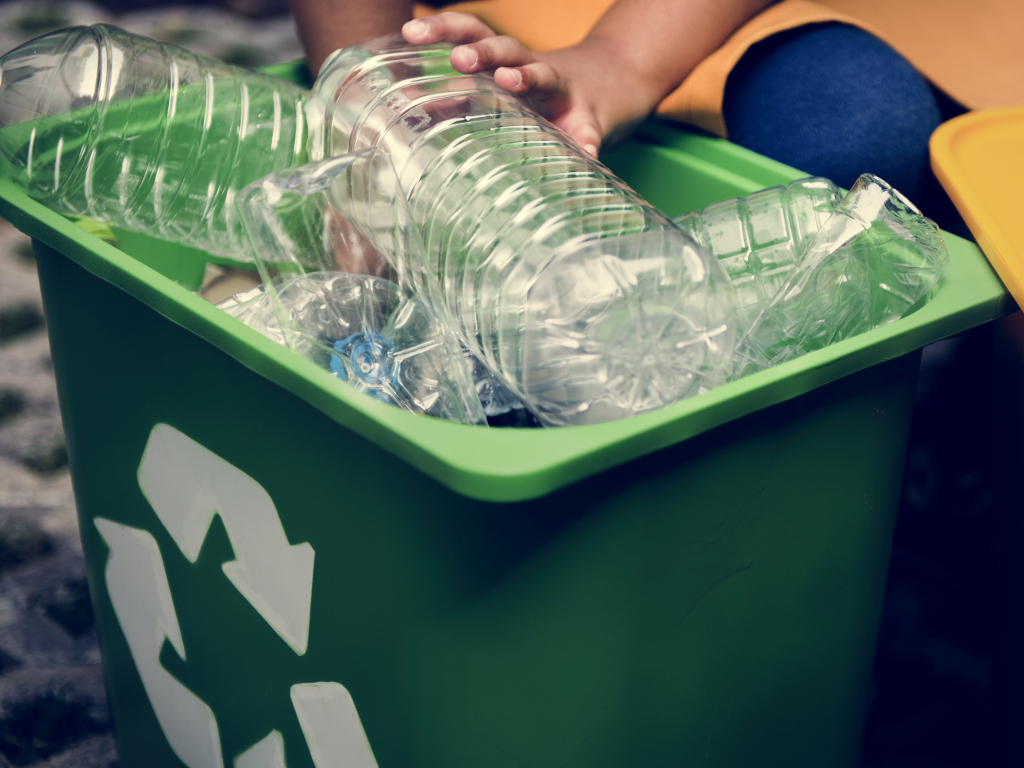
He told the Beta news agency that thousands of people had been left without jobs and livelihoods, which had also led to job losses in related industries.
According to him, recycling factories have stopped operating and taking over so-called “special waste streams,” which is why about 30,000 tons of electronic and electrical waste, oil, batteries, car batteries, old tires and other waste have not been taken over for recycling in the past three months.
– Given that there is no solution for covering treatment costs for 2026, 120,000 tons of waste will end up in the environment in 2026 alone and potentially cause an ecological disaster – emphasized Milenkovic.
According to him, if the recycling system is not established in a clear and sustainable manner, the next problem that awaits us is not only internal, but also external.
– The parent companies of manufacturers operating in Serbia are already demanding proof that everything down to the last kilogram of waste has been disposed of in accordance with regulations. This cannot be provided within the existing state aid limits – said Milenkovic.
He emphasized that for the sustainable functioning of the system, only a part of the 100% of the funds that were already collected based on the “polluter pays” principle was needed.
– We are talking about funds that already exist in the system, but are not properly directed – said Milenkovic.
He reminded that, for the preceding 15 years, polluters had been paying the cost of waste treatment.
– The fact is that polluters pay about 10 billion dinars into the budget, based on fees for products that become separate waste streams after use. There is enough money for waste treatment based on the “polluter pays” principle – Milenkovic pointed out.
The problem arose, he said, because the financing of waste treatment is defined by the new draft regulation as state aid.
Harmonized state aid, he added, has its place and its logic, but it is not intended to finance the waste industry.
– When the state helps someone during the Covid crisis, it is about saving the sector, while with waste the problem is not with the “help,” but the fact that a stable mechanism of permanent financing of treatment and open competition is needed, and not individual or limited aid – said Milenkovic.
According to him, the proposed Regulation can solve the issue of compliance with the rules, but not the issue of operational waste management.
– The need for waste generators to have their waste taken over and properly treated cannot be solved with an instrument that is limited to 100,000 euros per year, because this is a continuous cost of the system. The daily cost of the system is now around 150,000 euros, because it treats 100,000 tons of waste per year – emphasized Milenkovic.
He said that all over the world the cost of waste treatment was covered by approximately 80 percent of the funds collected from polluters, while around 20 percent was covered by the market value of the material.
– This is not something local, it is a global standard, with minimal deviations in efficiency – said Milenkovic.
All over the world, he added, one of three models is used for the permanent financing of the waste industry - a fund, a collective operator or a concession.
– It is clear that a system based on some other model cannot be built overnight. It is also clear that there is nothing objectionable in principle for the state to continue administering the system, but an institutional framework is needed for this – said Milenkovic.
On March 6, 2026, representatives of recyclers attended a meeting with representatives of the Ministry of Environmental Protection, but left dissatisfied with the draft of the new regulation.
The Association of Recyclers of Serbia and the Foundation for Organized Collection and Recycling of Waste Batteries and Car Batteries “Galenit” then addressed the ministry with a letter stating that it was unacceptable in the new draft that incentives were defined as state aid instead of as extended liability of polluters.
They pointed out that it was also unacceptable that state aid was awarded at auctions to the bidders with the best price and that the money would be intended only for those who collected and sort waste, not for those who recycled it.


Tags:
Foundation for Organized Collection and Recycling of Waste Batteries and Car Batteries Galenit
Ninoslav Milenković
Comments
Your comment
Naš izbor


Most Important News
Full information is available only to commercial users-subscribers and it is necessary to log in.
Pratite na našem portalu vesti, tendere, investicione projekte, grantove i pravnu regulativu.
Registracija na eKapiji vam omogućava pristup potpunim informacijama i dnevnom biltenu
Naš dnevni ekonomski bilten će stizati na vašu mejl adresu krajem svakog radnog dana. Bilteni su personalizovani prema interesovanjima svakog korisnika zasebno,
uz konsultacije sa našim ekspertima.