


 Izdanje Srbija
 Serbische Ausgabe
 Izdanje BiH
 Izdanje Crna Gora


 News
News


NIS procuring oil from Norway, Guyana, Iraq, Kazakhstan and USA
Source: Beta
 Wednesday, 25.03.2026.
14:29
Wednesday, 25.03.2026.
14:29
Wednesday, 25.03.2026.
14:29
 Comments


(Photo: Pix One/shutterstock.com)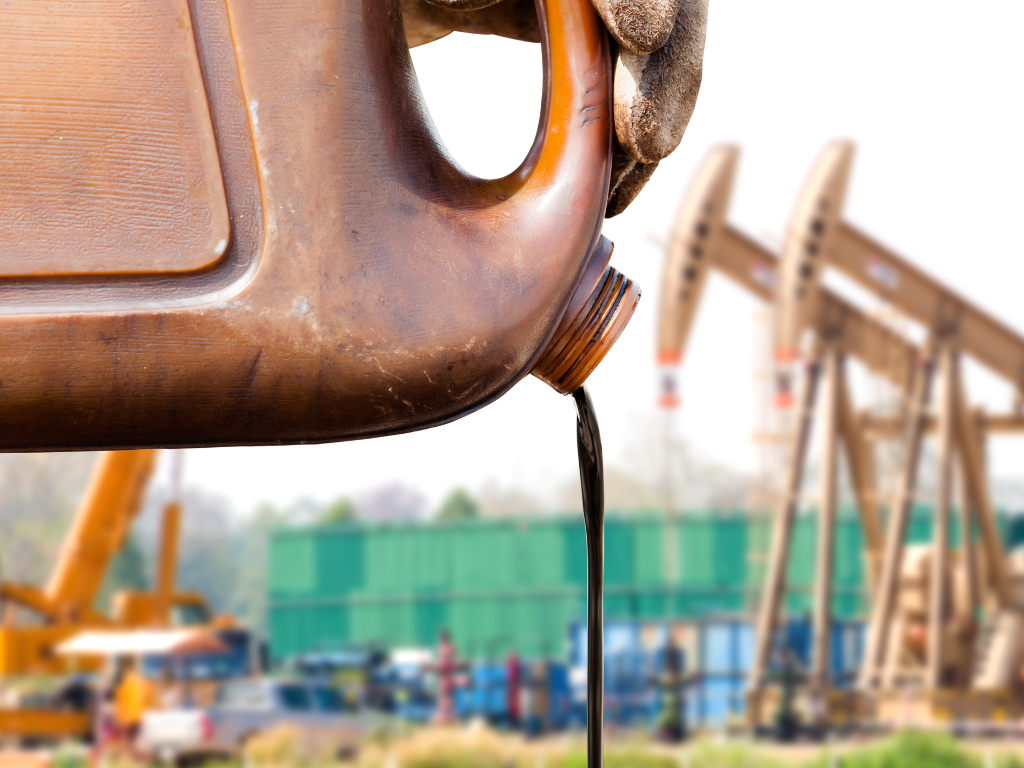
When asked by Forbes whether they are having problems with the procurement of crude oil due to the war and crisis in the Middle East and whether and to what extent this situation will affect the prices of petroleum products, NIS replied that the company continued to adjust its business models.
– We are carefully monitoring the development of the situation on the oil and petroleum products market and are taking appropriate measures. This is with the aim of ensuring the stability of business, procurement of crude oil and security of market supply. All NIS gas stations are operating regularly and are regularly supplied with all types of petroleum products. Fuel sales are taking place as usual and without interruption – they stated in their response.
When it comes to the price of derivatives, the company emphasized that it respected all decisions of the competent authorities, including the Serbian Government’s regulation on limiting the price of petroleum products.
A Forbes source confirmed that the situation was not critical, but only thanks to NIS having a modernized refinery that allowed it greater choice.
– Literally, it buys wherever it can and whosever oil is available, and it can be processed at the refinery in Pancevo – a source well-informed about the crude oil trade explains to Forbes Serbia.
According to data from the Energy Agency from 2021, Serbia covered 20.7 percent of its crude oil from its own capacities, while it imported 79.3 percent. When looking at the structure of imports, according to this data, 64 percent of oil was purchased from Iraq, about 23 percent from Russia, 10 percent from Kazakhstan, while about three percent was imported from Norway.
Although the public believed, after the privatization of NIS by Gazprom, that crude oil to NIS came exclusively from Russia, this was actually not true. Russian oil accounted for between a quarter and a fifth of total imported oil on average. Oil imported from Iraq dominated, writes Forbes.
According to the same data, 3.234 million tons of oil were imported to Serbia in 2022. The majority of crude oil imports, about 52 percent, came from Iraq, while the rest came from Russia and Kazakhstan. Due to the war in Ukraine and EU sanctions against Russia, NIS at one point increased its imports of Russian oil. From an average of about 23 percent to almost half. At the same time, the share of Iraqi oil imports was reduced.
The situation changed with the sixth package of sanctions against Russia, when the EU banned the purchase, import and transport of oil coming from Russia. Serbia did not receive an exemption from the application of this measure at that time, so the import of Russian oil was suspended.
Yesterday, on the day the deadline for the agreement between MOL and Gazprom on the purchase and sale of a majority stake in NIS expired, a new permit arrived from the US OFAC. Hungary’s MOL announced that it had received permission to complete this transaction by May 22. In other words, the negotiators were given two more months to reach an agreement.
The other day, OFAC extended NIS’s crude oil import license until April 17. The assumption is that after this deadline, it will be extended until the new, May deadline for the exit of Russian ownership from NIS.



Comments
Your comment
Naš izbor

Most Important News
Full information is available only to commercial users-subscribers and it is necessary to log in.
Pratite na našem portalu vesti, tendere, investicione projekte, grantove i pravnu regulativu.
Registracija na eKapiji vam omogućava pristup potpunim informacijama i dnevnom biltenu
Naš dnevni ekonomski bilten će stizati na vašu mejl adresu krajem svakog radnog dana. Bilteni su personalizovani prema interesovanjima svakog korisnika zasebno,
uz konsultacije sa našim ekspertima.