


 Izdanje Srbija
 Serbische Ausgabe
 Izdanje BiH
 Izdanje Crna Gora


 News
News


BiH truckers to block border, Serbian truckers waiting until April

 Comments


Illustration (Photo: Pixabay / blende12)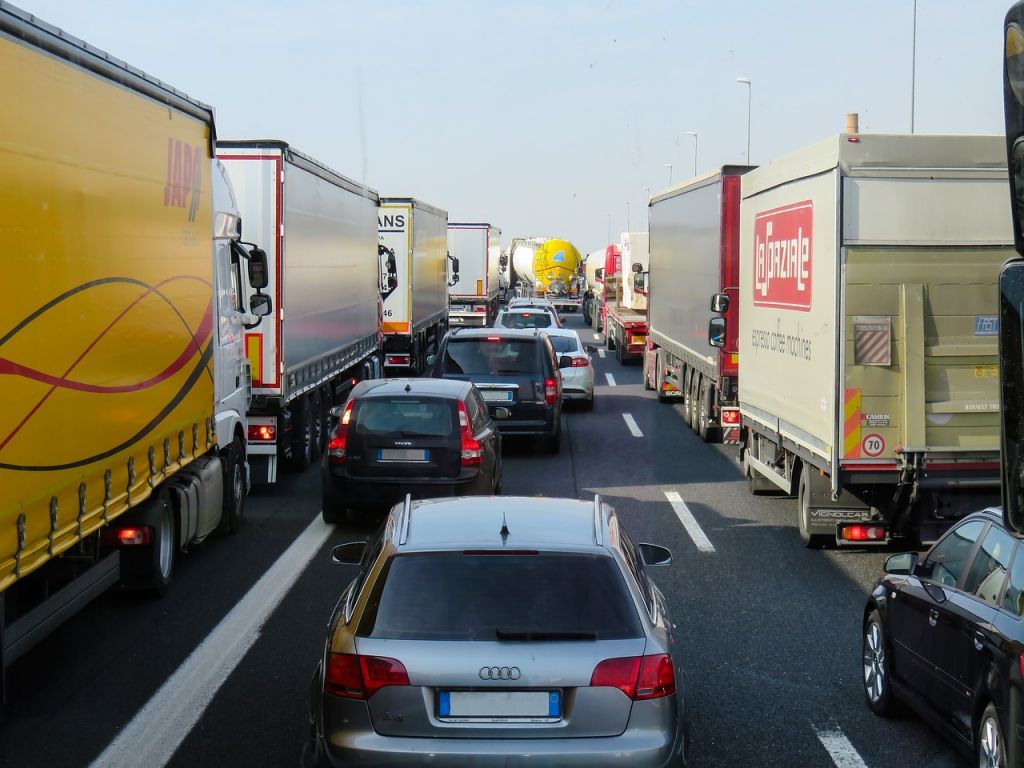
Truckers from Serbia, Bosnia and Herzegovina, Montenegro and North Macedonia have found themselves in trouble due to the new European Union (EU) EES system, which means that citizens of non-member countries can spend a maximum of 90 days in any 180-day period in the Union.
The new rule is an obstacle for professional truck drivers, who neither live, reside nor work in the EU, and have been in it longer than the 90/180 rule allows.
The blockade that the transporters organized in sync at the end of January prompted the European Commission and the member states to take action and start thinking about a solution.
However, since then, deportations of truck drivers from BiH from the EU borders have continued, and according to Nedjo Mandic, president of the International Transport Association, around 150 transporters from BiH have been returned in two weeks, most of them by the Croatian border authorities.
Transporters from BiH have therefore decided to block the border crossings for freight traffic again, but this time their Serbian colleagues will not join them, although there were earlier announcements that this blockade would also be organized together.
As Nedjo Mandic told the N1 portal, now is not the time for such action and the decision has been made to wait to see what the European Commission’s technical working group will do about this problem, and the meeting is scheduled for next Thursday.
European Commission: Systemic solution being sought at EU level for truck driver problem
He explains that Serbian drivers have not had any problems with returns and deportations in recent weeks and that he does not understand why so many transporters from Bosnia and Herzegovina are being returned from the Croatian border.
Mandic notes that in a month, the time left until the full implementation of the EES, new rules and new solutions can be adopted that would solve the problem of transporters from the Western Balkans.
Croatia first to come up with a concrete proposal
Croatia was the first to come up with a concrete proposal and proposed that transporters from Serbia receive long-term D-type visas. Mandic explains that the Croatian proposal involves amending their Law on Foreigners, which would enable the issuance of such visas.
– Brussels has been saying all along – find a solution with neighboring countries. The Croatian proposal has opened up space for talks and we hope that other neighboring EU member states, Hungary, Romania, Bulgaria, Greece, will also enable this – said the N1 interviewee.
Asked whether this means that each of these countries would have to change the law regulating the issuance of visas, he answers in the affirmative and adds that the change and entry into force of new regulations require time, but that it could be a solution because Serbian carriers with a D visa would not be registered when they enter any of these countries from Serbia, and no one would measure their time of stay in the Union anymore.
As he says, it is not a problem even if Germany passes such a regulation and allows long-term visas for our carriers.
– I expected that there would be a solution. Next Thursday there will be a meeting of the European Commission’s technical working group for the Western Balkans, which will also be attended by EU member states. The last meeting was attended by 71 participants because this is a serious problem and it is in everyone’s interest to solve it. We expect either confirmation that there is no solution or that the problem is solved. The European Commission will have to come up with an official position by April 10, when the full implementation of the rules begin – said Mandic.
January blockade stopped 93 percent of exports
The scale of the problem is also evidenced by the fact that the January blockade, which lasted from January 26 to 30, stopped 93 percent of exports from the region. According to the president of the Serbian Chamber of Commerce, Marko Cadez, the damage amounted to around 92 million euros per day.
So far, two meetings have been held with representatives of the European Commission, and Brussels has maintained its firm position that changing the method of calculating residence is not possible and that any flexibility can be considered exclusively at the national level of the member states.
On the other hand, the EC has expressed concern about new protests and blockades, emphasizing that such actions have previously caused significant disruptions in supply chains.
Companies:
 PU Međunarodni Transport Beograd
Comments
Your comment
Naš izbor
Most Important News
Full information is available only to commercial users-subscribers and it is necessary to log in.
Pratite na našem portalu vesti, tendere, investicione projekte, grantove i pravnu regulativu.
Registracija na eKapiji vam omogućava pristup potpunim informacijama i dnevnom biltenu
Naš dnevni ekonomski bilten će stizati na vašu mejl adresu krajem svakog radnog dana. Bilteni su personalizovani prema interesovanjima svakog korisnika zasebno,
uz konsultacije sa našim ekspertima.