


 Izdanje Srbija
 Serbische Ausgabe
 Izdanje BiH
 Izdanje Crna Gora


 News
News


Nuclear cooperation with the UAE – Is the “Barakah model” good for Serbia?

 Comments


(Photo: Unsplash/Lukas Lehotsky)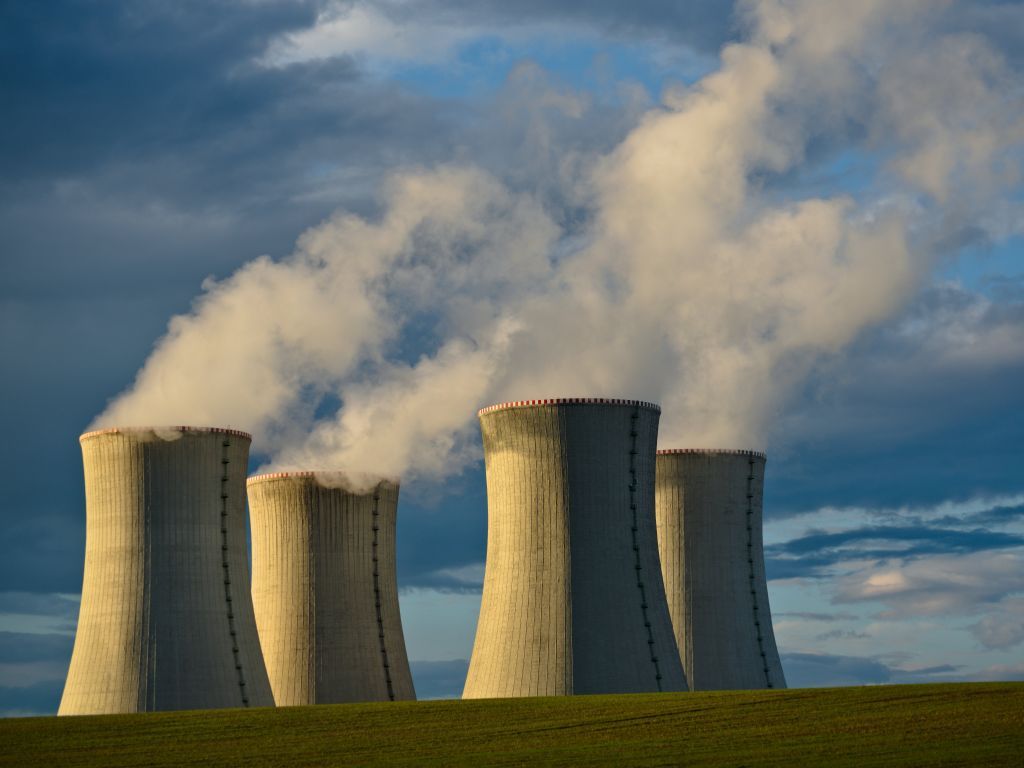
ENEC expressed its readiness to provide Serbia with its “roadmap,” which was used in the case of the construction of the “Barakah” nuclear power plant and is considered one of the more efficient models of nuclear energy implementation in the world. The Minister emphasized that ENEC could help Serbia with the key challenges of the first phase: the development of professional and technical teams for plant management, solutions for radioactive waste storage and nuclear fuel procurement, as well as with considering options for sorting out the finances and Serbia’s potential participation in the international ENEC investment program.
The Minister reminded that Serbia had lifted the moratorium 18 months before and that the feasibility study phase was underway at that moment. It is stated that a preliminary study with the French EDF has been completed, a special body has been formed within the Ministry for the implementation of the program, memoranda have been signed with domestic scientific and academic institutions, and cooperation with several “global players” is continuing: France, the USA, Russia, South Korea, and now the UAE. – Nuclear energy is an option that can provide Serbia with secure base energy in the decades to come, especially taking into account the growing consumption of industry and data centers – said Djedovic Handanovic.
The Nuklearna perspektiva portal, however, reminds that there is a radical difference between Serbia and the UAE: the Barakah nuclear power plant was built in cooperation with the KEPCO company, namely its subcontractor KHNP. But it is very unlikely that the same company could be a partner for Serbia due to problems with the license for its reactors: Westinghouse, namely, claims that it owns the license rights and that any attempt to export this technology without Westinghouse’s consent constitutes a violation of the license agreement. It is for these reasons that Westinghouse “created problems” in the case of the construction of the reactor in the Czech Republic.
It also states that the aforementioned preliminary study was completed and presented to the public at a press conference more than six months ago, but that it is still not available to the public, and it is not clear when it will be available, which is a key step in involving the public in the decision-making process on the construction of a nuclear power plant.

Tags:
Ministry of Energy
ENEC
EDF
KEPCO
Westinghouse
NPP Barakah
Dubravka Đedović Handanović
Mohamed Ibrahim Al Hammadi
nuclear program
nuclear roadmap
Comments
Your comment
Naš izbor

Most Important News
Full information is available only to commercial users-subscribers and it is necessary to log in.
Pratite na našem portalu vesti, tendere, investicione projekte, grantove i pravnu regulativu.
Registracija na eKapiji vam omogućava pristup potpunim informacijama i dnevnom biltenu
Naš dnevni ekonomski bilten će stizati na vašu mejl adresu krajem svakog radnog dana. Bilteni su personalizovani prema interesovanjima svakog korisnika zasebno,
uz konsultacije sa našim ekspertima.