


 Izdanje Srbija
 Serbische Ausgabe
 Izdanje BiH
 Izdanje Crna Gora


 News
News


Serbian gold and foreign pickaxes, part 2 – 2025 RETROSPECTIVE, investments in INDUSTRY and MINING
Source: eKapija
 Thursday, 29.01.2026.
11:41
Thursday, 29.01.2026.
11:41
Thursday, 29.01.2026.
11:41
 Comments


(Photo: Kier in Sight Archives/Unsplash)
We tried the working title of “What’s that sparkling on Bobija?” and, although there is a version with priest Djujic, popular among certain parts of the Serbian diaspora in the USA, perhaps the one with the illegal, capital 27th letter of the alphabet is better known, so, to avoid being declared Ante - just as Dinko was declared Dinko - we gave up.
One piece of news stood out, drawing the attention of not only eKapija readers, but also the entire public. Or, more honestly, causing outrage. The topic that inspired the title of this year’s retrospective got local-patriotic environmentalists and keyboard commentators worked up like rarely before.
It aroused so much interest here that it surpassed all other texts in terms of readership in all other areas, demonstrating once again the broad impact of mining issues on Serbian society and economy, or in corporate language, across sectors and society.
To keep you in suspense no longer (ta-da!) this is eKapija’s brightest star in 2025 and our most read text in the field of industry, mining and processing of mined materials and beyond, followed by the remaining TOP nine news from the field of industry on the eKapija portal in 2005:
1. Australians to drill 62,000 hectares in Serbia, Mount Bobija first
In September last year, the Australian mining company Middle Island Resources, by taking over the company Konstantin Resources, also from Australia, became the owner of no less than 14 licenses for mineral exploration in Serbia, on as much as 62,000 hectares, which is more than any other company has in our country! Boom! This news, which was exclusively reported to the Serbian public by eKapija, was already enough to reignite the holy flame of anti-mining in Serbia, which had only just died down somewhat after the news from 2024 about the arrival of Australian gold miners in Rogozna.
And then – bang! The information that the Australians, of all the mining licenses purchased, will first mine in Bobija, a hidden gem of Western Serbia near Ljubovija, “just 100 kilometers from Belgrade,” was the last straw.
Former barite mine in Bobija (Photo: eKapija / Aleksandra Kekić)
Ever since they announced, seemingly while rubbing their hands, that there, in Bobija, gold is literally peeking out from the surface of the former barite mine, which we haven’t touched with pickaxes since Tito’s time, the public’s hatred of the miners, the authorities, the kangaroos, the Saxons, and even eKapija as the messenger - because it’s better not to know, I guess - has grown to unimaginable heights. The essential message of the pile of comments we received on this news could be summed up with: “Get ready, Serbs, these people are not kidding....”
2. Chinese “soft opening” in Ruma
In second place on our famous list, the equally famous Chinese. Their investments are always a pleasure to read about, and this time, the Chinese company Haitian, the world’s largest manufacturer of plastic injection molding machines, announced in late November that it had begun trial operations in Ruma.
Factory in Ruma (Photo: Haitian International)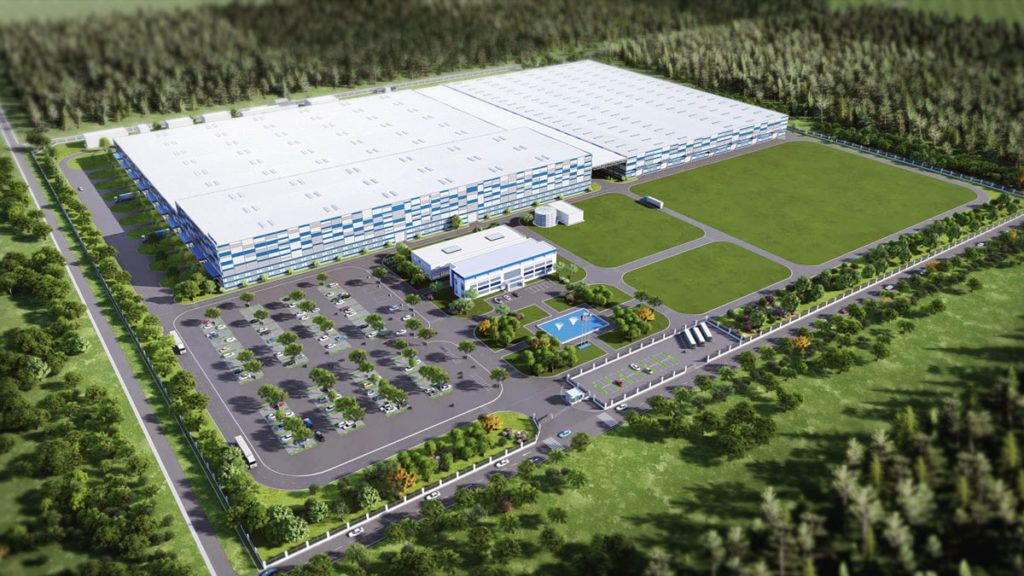
The company held an internal “Open House” for employees and close partners, marking the soft opening of the factory, and this news, among the many announced Chinese automotive investments in Serbia, for some reason attracted the most attention of eKapija readers. Perhaps because of the announcement of hiring engineers, or because of the information that, in addition to manufacturing machines, Haitian Serbia will also be a central hub for delivering spare parts to the European market.
3. and 4. When Kumho left before it even arrived
Third place is taken by the news that the South Korean tire giant Kumho decided to bypass Serbia. Paradoxically, when we published the initial news that the second largest tire manufacturer in South Korea was considering Serbia as a location for its first European factory worth more than USD 700 million, it did not attract the attention of our readers nearly as much as the news that it had chosen Poland for construction.
And just as the first news was followed by a series of comments like “why do we need another tire factory polluting us?” and “does Serbia need these dirty technologies?”, in the comments to the second article there was also a certain regret for the lost investment, with the already proverbial lament that “Poland, of course, is like Switzerland compared to Serbia.”
(Photo: Bill Ragan/shutterstock.com)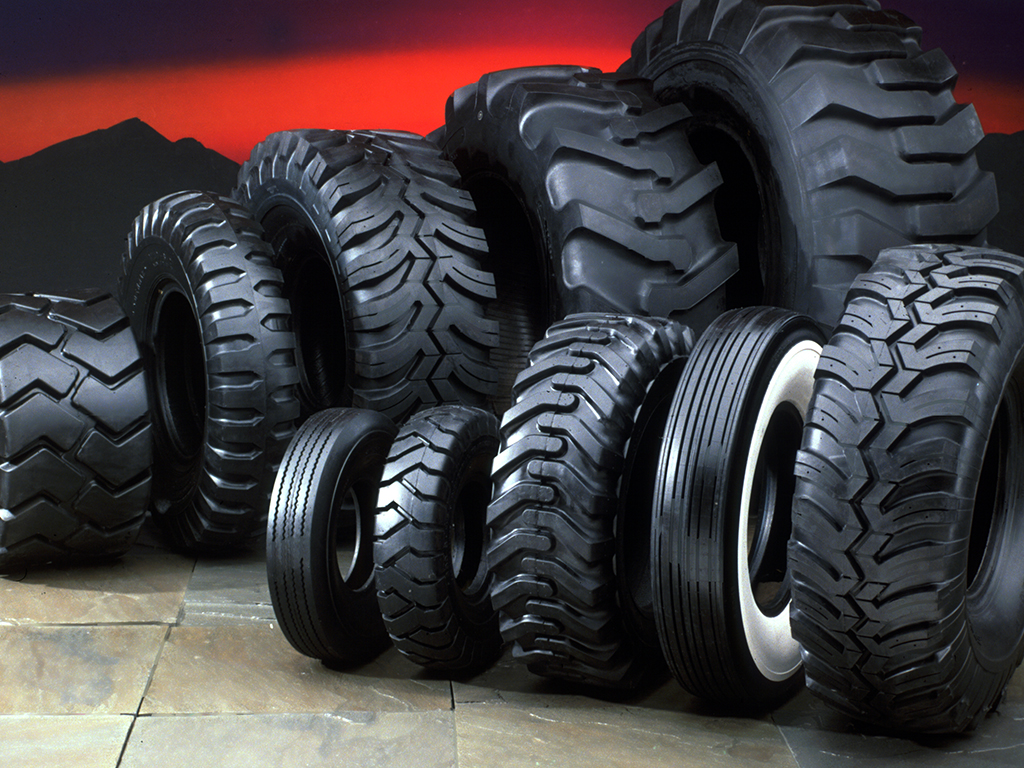
And would it be surprising if we told you that Kumho’s failure to come to Serbia also placed 4th on our list? We are talking about the previous news that the plan to build a European factory is losing momentum due to a fire in their home factory in South Korea, to which most of us commented with “thank God, we should also chase away these tire workers who are already here.”
Whether it’s “the world” or only the Serbs that cannot be pleased, you decide for yourself.
5. Rogozna - old story, new discoveries
In 5th place, here are our old acquaintances - the Australians who are “robbing” us in Rogozna. They should be reported to King Charles, because - many people don’t know this - he is actually their king. After placing first in eKapija’s retrospective in 2024, they are now coming back in style. On the mountain near Novi Pazar, they discovered a belt of gold and zinc almost three quarters of a kilometer long. A zone of 702.5 meters of continuous mineralization was found in November at the Gradina deposit, with an equally impressive result of 365 meters in the second well.
Their management announced that drilling in our Rogozna was yielding increasingly better results and, with the earlier assessment that “there’s gold there for half of Europe,” this was enough of a provocation for the anti-mining-minded part of the Serbian public - majority Serbia, so to speak - to once again “smear” us in the comments with everything they think about this raid by royal kangaroos on Serbian treasures. The Australians can’t help but be amazed, and neither can we, it seems.
6. “Are we going to let them pluck our golden goose, BRO?”
And lest anyone conclude that it’s only Australians who are after our gold, there’s our article, which is in 6th position on this list, concerning the Canadian investment of Coka Rakita. The Serbian golden goose in the hands of the Canadians, more precisely the company DPM Metals (formerly Dundee Precious Metals), and which, according to estimates, will be the largest in the region, worth as much as USD 2.2 billion, could not go unnoticed.
(Photo: Africa Studio/shutterstock)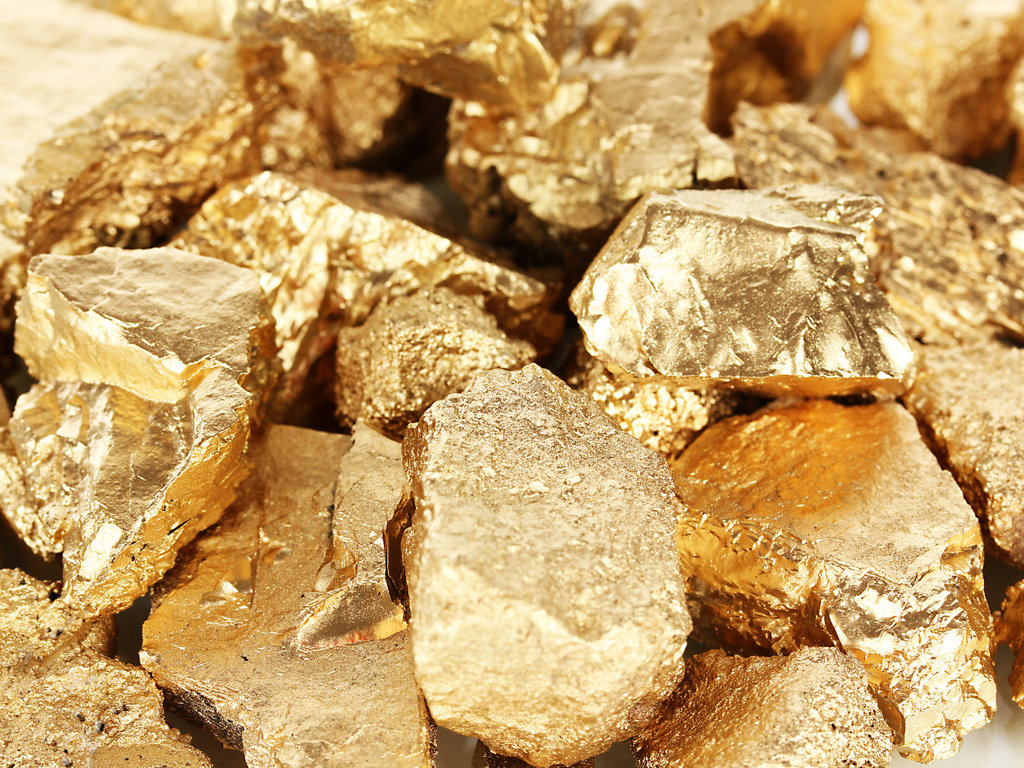
Along with the initial information that the Canadians are planning to mine 41 tons of our gold near Zagubica, the subsequent news that they are one step closer to realizing this “robbery of the people” resonated even more strongly among our readership, since a spatial plan for the Coka Rakita ore deposit is being prepared.
“Shall we allow it, BRO?” is a comment that particularly stood out among the crowd, and which best summarizes the mood of the people towards such investments in Serbia. In the meantime, who knows if this comment was also the reason, Danica Crnogorcevic has changed her standing among Serbian bros, through something like a Serbian Game of Thrones.
7. “And what about the factories?!”
Finally, news from Belgrade placed 7th. To take a break from mining, readers focused on “building swimming pools and fields instead of industrial zones.” Location – Rakovica municipality, subject – construction of a sports and recreational complex, and this in a location previously planned “for something smart to be built.”
This is the area between the railway line, Sretena Popovica and 13. oktobra streets and the Belgrade bypass in Rakovica, where a sports complex with outdoor swimming pools and sports halls on 20,000 square meters is planned to be built on plots of land with a total area of about 6 hectares, instead of previously planned industrial zones.
This is only a draft of the detailed regulation plan, but, “what is going on now and why?”
“Where are the factories?”, “Like we need one more sports center” and similar public opinions quickly filled our comments section on this news.
8. Meanwhile, on Bobija...
And... let’s go back again, to who else but our miners. It’s been a long time since we last saw them... The eighth position on our list takes us back to Bobija. And there, the Australians have already started drilling!
And when they said that they were “pleased to start the first drilling at Bobija, one of the key projects in the Serbian portfolio, which is a poorly explored deposit with high gold content,” and compared it to the Vares mine in Bosnia and Herzegovina, which is worth USD 1.25 billion, what more could we say... Read the news for yourself first, and then the comments about defending “the little Serbia from exploiters from the big Australia...”
9. “They’re selling out everything”
The penultimate place went to the news that the Hungarian state-owned power company MVM Zrt had taken a majority stake in two leading Serbian power construction companies, Energotehnika Juzna Backa and Elektromontaza Kraljevo.
(Photo: Paolo Diani/shutterstock.com)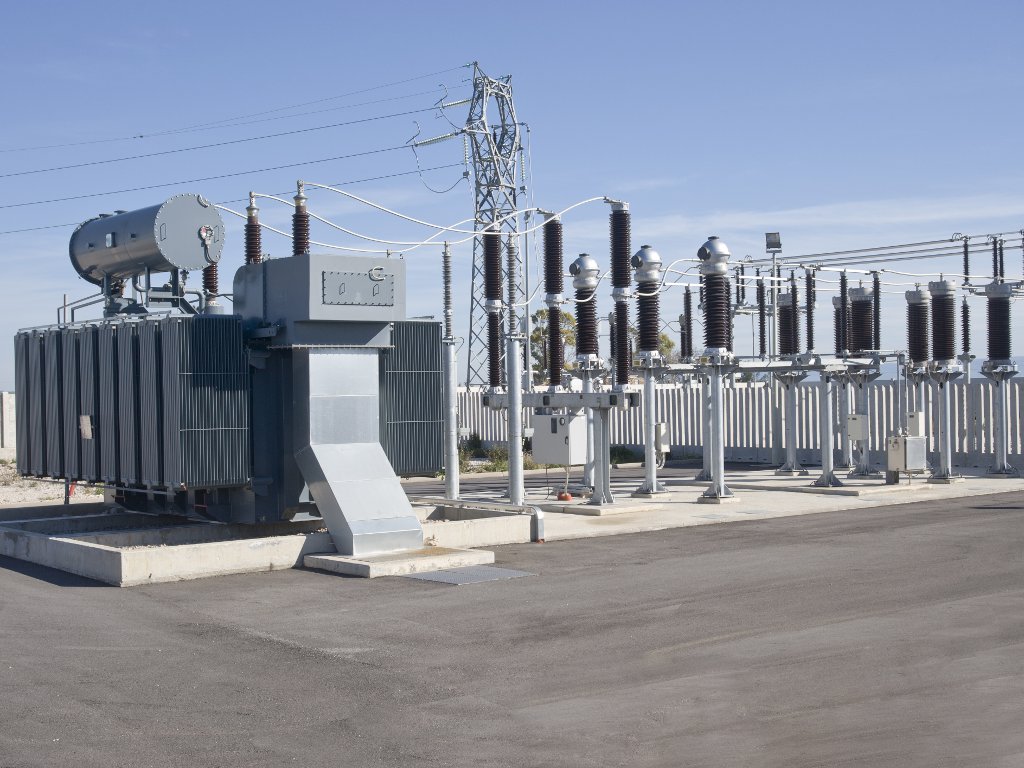
“Oh my god, they’re taking everything from us!”, an avalanche of comments immediately followed.
These are companies that have not been in the hands of the Serbian state for a long time, but that fact did nothing to stop the avalanche of comments about the “sell-out of strategic state-owned companies.”
10. Finally, a little RES
In the last, 10th place, readers were finally interested in a piece of news from the field of renewable energy sources. An article from August talks about the Romanian state-owned power company Hidroelectrica’s plans to install a 64-megawatt battery system next to the Djerdap 2 hydroelectric power plant within two years, which will be able to store up to 256 megawatt-hours of electricity.
Serbia and Romania have jointly built both hydroelectric power plants in the Djerdap system, and each has half of the capacity, while Serbia, on the other hand, is developing a different solution for energy storage - on the right side of the Danube upstream, it is planning a reversible hydroelectric power plant Djerdap 3.

We invite you to see which investments marked the year 2025 in the areas of REAL ESTATE, TRADE CENTERS, TRANSPORT, AGRICULTURE AND FOOD INDUSTRY and TOURISM.
B. P.
Companies:
 Haitian Machinery Ruma d.o.o. Ruma
 MVM Južna Bačka doo Novi Sad
 Elektromontaža d.o.o. Kraljevo
 Opština Rakovica
Tags:
Middle Island Resources
Kumho
Haitian Ruma
DPM Metals
Dundee Pecious Metals
MVM Zrt Hungary
Strickland Metals
Hidroelectrica Romania
Bobija
Rogozna
HPP Đerdap 2
RHPP Đerdap 3
gold zinc and copper explorations in Serbia
gold digging
metal exploration licenses
production of tires
energy storage battery system
sports and recreation center in Rakovica construction
detailed regulation plan
industrial zones
2025 retrospective industry
Comments
Your comment
Naš izbor



Most Important News
Full information is available only to commercial users-subscribers and it is necessary to log in.
Pratite na našem portalu vesti, tendere, investicione projekte, grantove i pravnu regulativu.
Registracija na eKapiji vam omogućava pristup potpunim informacijama i dnevnom biltenu
Naš dnevni ekonomski bilten će stizati na vašu mejl adresu krajem svakog radnog dana. Bilteni su personalizovani prema interesovanjima svakog korisnika zasebno,
uz konsultacije sa našim ekspertima.