


 Izdanje Srbija
 Serbische Ausgabe
 Izdanje BiH
 Izdanje Crna Gora


 News
News


EIB: Credit demand in Serbia growing, credit quality expected to deteriorate

 Comments


(Photo: Shutterstock/Alexandros Michailidis)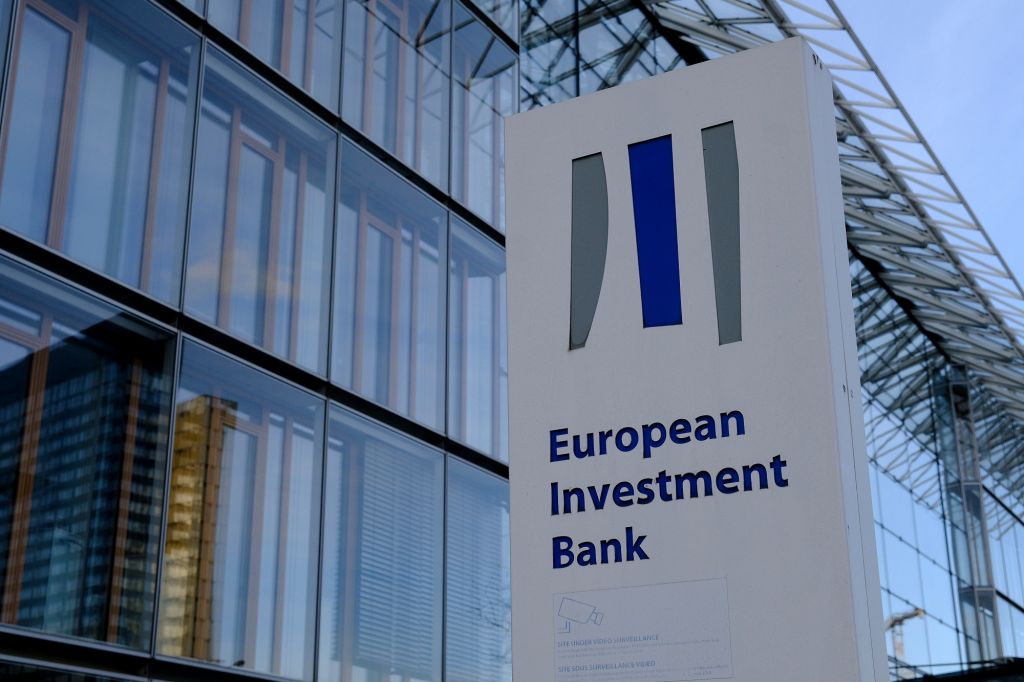
The survey showed that both demand and supply are expected to grow in the next six months, while financing conditions are likely to improve. Credit quality has improved, but is expected to deteriorate, the EIB said.
As for the CESEE region, credit demand remains robust, particularly from companies, while banks anticipate a slight improvement in credit supply following a period of contraction.
Lending appetite from banks is expected to grow, especially for SMEs and consumer credit, although banks show more limited willingness to extend credit to large companies and for mortgages. Such growing confidence around credit supply could help narrow the supply–demand gap that has persisted in recent years, due to strong credit demand and more limited supply.
Two-thirds of cross-border banking groups surveyed about future long-term plans intend to expand their operations.
– The latest survey confirms the resilience and strong potential of the banking sector in Central, Eastern and South-Eastern Europe. Credit demand remains robust, supply conditions are showing signs of improvement, and credit quality has continued to progress over the last six months. These trends are highly encouraging for investment and economic development in the region. Two thirds of the banks present in the region are planning to increase their long-term exposure there. This is an excellent sign of the growth potential of CESEE. And the EIB, which complements the efforts of commercial banks, will continue to contribute by addressing market failures and the EU’s policy priorities – said Marek Mora, Vice President of the EIB.
The market potential in the CESEE region is widely regarded as important, with most surveyed banks assessing it as high—particularly in countries like Czechia, Romania and Slovakia—or medium, mainly in the Western Balkans markets. Profitability in Central, Eastern and South-Eastern Europe also remains strong compared to overall group operations, with particularly robust performance in Bosnia and Herzegovina, Bulgaria, Czechia, Hungary, the territory of Kosovo and Metohija, and North Macedonia.
– These results highlight very positive credit trends for the banks operating in the CESEE area, which are benefiting from the strong performance of the global and European banking sectors. However, different factors – both domestic and international, particularly regulatory developments – continue to weigh on credit supply conditions in the region – said Debora Revoltella, Chief Economist at the EIB.
Furthermore, access to funding in CESEE for both cross-border banking groups and their subsidiaries has remained strong over the past six months and is expected to improve further. This positive outlook is supported by rising retail and corporate deposits and continued access to funding from international financial institutions (IFIs), such as the EIB.
Credit quality has continued to improve over the past six months, with fewer non-performing loans reported. These gains have been particularly strong in the retail segment and the corporate sector. Despite these positive developments, banks remain cautious about the next six months, anticipating a possible deterioration in credit quality.
The European Investment Bank (ElB) is the long-term lending institution of the European Union, owned by its Member States. Built around eight core priorities, they finance investments that contribute to EU policy objectives by bolstering climate action and the environment, digitalization and technological innovation, security and defense, cohesion, agriculture and bioeconomy, social infrastructure, the capital markets union, and a stronger Europe in a more peaceful and prosperous world.
The EIB Group, which also includes the European Investment Fund (EIF), signed nearly EUR 89 billion in new financing for over 900 high-impact projects in 2024, boosting Europe’s competitiveness and security, the press release says.
Companies:
 Evropska investiciona banka EIB
Comments
Your comment
Naš izbor

Most Important News
Full information is available only to commercial users-subscribers and it is necessary to log in.
Pratite na našem portalu vesti, tendere, investicione projekte, grantove i pravnu regulativu.
Registracija na eKapiji vam omogućava pristup potpunim informacijama i dnevnom biltenu
Naš dnevni ekonomski bilten će stizati na vašu mejl adresu krajem svakog radnog dana. Bilteni su personalizovani prema interesovanjima svakog korisnika zasebno,
uz konsultacije sa našim ekspertima.