


 Izdanje Srbija
 Serbische Ausgabe
 Izdanje BiH
 Izdanje Crna Gora


 News
News


Preparation of Draft Law on Hydrocarbon Exploration and Exploitation begins – Plans also include testing geological structures suitable for underground storage of natural gas and permanent disposal of carbon dioxide
Source: eKapija
 Thursday, 08.01.2026.
11:34
Thursday, 08.01.2026.
11:34
Thursday, 08.01.2026.
11:34
 Comments


Illustration (Photo: Albina Glisic/shutterstock.com)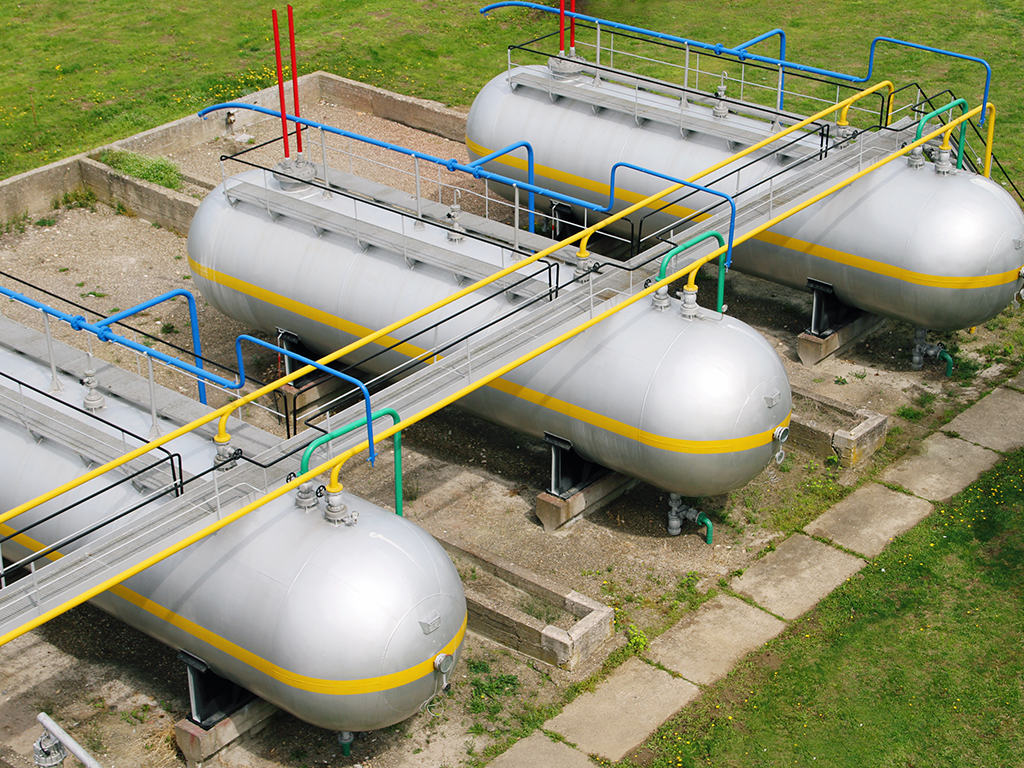
As stated in the document, this law will be one of the key regulatory frameworks in the field of mining in Serbia and will include the exploration, exploitation, preparation and transport of hydrocarbons within the process of exploration and exploitation, as well as oil, natural gas, condensate and other hydrocarbon resources.
As emphasized, in Serbia this area is currently regulated by the Law on Mining and Geological Exploration, and this law treats hydrocarbons as part of energy mineral raw materials.
– However, given the specifics of the technology of hydrocarbon exploration and exploitation in relation to other mineral raw materials, as well as the necessity of harmonizing regulations with European Union regulations, it is necessary to adopt a special, systemic law on hydrocarbon exploration and exploitation. The aim of adopting the new law is to establish a single legal and institutional framework for the exploration and exploitation of hydrocarbons, as well as for the exploration of geological structures suitable for underground storage of natural gas and permanent disposal of carbon dioxide in geological formations of depleted deposits located in exploitation fields, in accordance with the highest safety and environmental standards – the document emphasizes.
In practice, it is added, it has also been noted that the existing regulatory framework needs to be further improved in the procedures for granting rights to explore for and exploit hydrocarbons.
– It needs to be harmonized with European regulations governing this area. In particular, with the Directive on the conditions for granting and using authorizations for the prospection, exploration and production of hydrocarbons, the Directive on the geological storage of carbon dioxide, the Directive on the safety of offshore oil and gas activities – the document emphasizes.
The new law should also contribute to greater transparency, predictability and responsibility in resource management. It should also enable security of energy supply. As well as encouraging investments in the exploration of new reserves and the energy transition, this is evident from the starting points.
As indicated, it is also necessary to establish a clear legal framework for the granting of permits and the implementation of tender procedures for the exploration and exploitation of hydrocarbons and to improve supervision and control over exploration and exploitation works.
It is also necessary to introduce environmental standards and environmental protection measures in all stages of the process, and to define the obligations of investors in terms of reclamation, rehabilitation and monitoring. The fiscal and economic framework needs to be improved to ensure a fairer distribution of income and encourage investment, with one goal being to encourage exploration and use of geological structures for gas and CO2 storage as part of a strategy to reduce greenhouse gas emissions. The plan also includes digitizing procedures and establishing an information system for managing hydrocarbon data.
The new law is expected to increase legal certainty and efficiency of procedures in the hydrocarbon sector, as well as contribute to greater domestic and foreign investment.
Six basic principles on which the new law will be based
The document also specifies six basic principles on which this law will be based. The first is the principle of state sovereignty and control, which means that the state retains the right to dispose of, manage and supervise the exploration, exploitation and storage of hydrocarbons in accordance with the public interest.
The second principle is the principle of sustainable development and environmental protection, which implies that all activities must be in accordance with the principles of responsible management of natural resources with minimal impact on ecosystems, water, soil and air.
The third principle is the principle of transparency and competition, which implies that the procedures for granting exploration and exploitation rights will be public, transparent and based on competition in accordance with EU rules on public procurement through open public tendering.
The next principle is the safety and protection of human health, according to which all activities in the field of hydrocarbon exploration and production must be carried out in accordance with the highest technical, environmental and safety standards.
The fifth principle refers to the digitalization and transparency of data, as it is planned to introduce electronic business and a single information system. It will provide insight into the state of reserves, permits and activities, with public access to data.
The sixth principle concerns the responsibility of investors and emphasizes that every holder of the right to exploration or exploitation is obliged to act in accordance with regulations on environmental protection, safety and rational use of resources, as well as to implement reclamation and rehabilitation measures after the completion of the works.
More details regarding the Draft Law (in Serbian) can be found HERE.
Proposals can be submitted by January 18 to the email sektor.energetika@mre.gov.rs.
D. A.

Comments
Your comment
Naš izbor

Most Important News
Full information is available only to commercial users-subscribers and it is necessary to log in.
Pratite na našem portalu vesti, tendere, investicione projekte, grantove i pravnu regulativu.
Registracija na eKapiji vam omogućava pristup potpunim informacijama i dnevnom biltenu
Naš dnevni ekonomski bilten će stizati na vašu mejl adresu krajem svakog radnog dana. Bilteni su personalizovani prema interesovanjima svakog korisnika zasebno,
uz konsultacije sa našim ekspertima.