


 Izdanje Srbija
 Serbische Ausgabe
 Izdanje BiH
 Izdanje Crna Gora


 News
News


Council of the European Union adopts ban on Russian gas transit through EU to third countries – “Serbia in almost hopeless situation”
Source: eKapija
 Tuesday, 21.10.2025.
09:54
Tuesday, 21.10.2025.
09:54
Tuesday, 21.10.2025.
09:54
 Comments


(Photo: nostal6ie/shutterstock.com)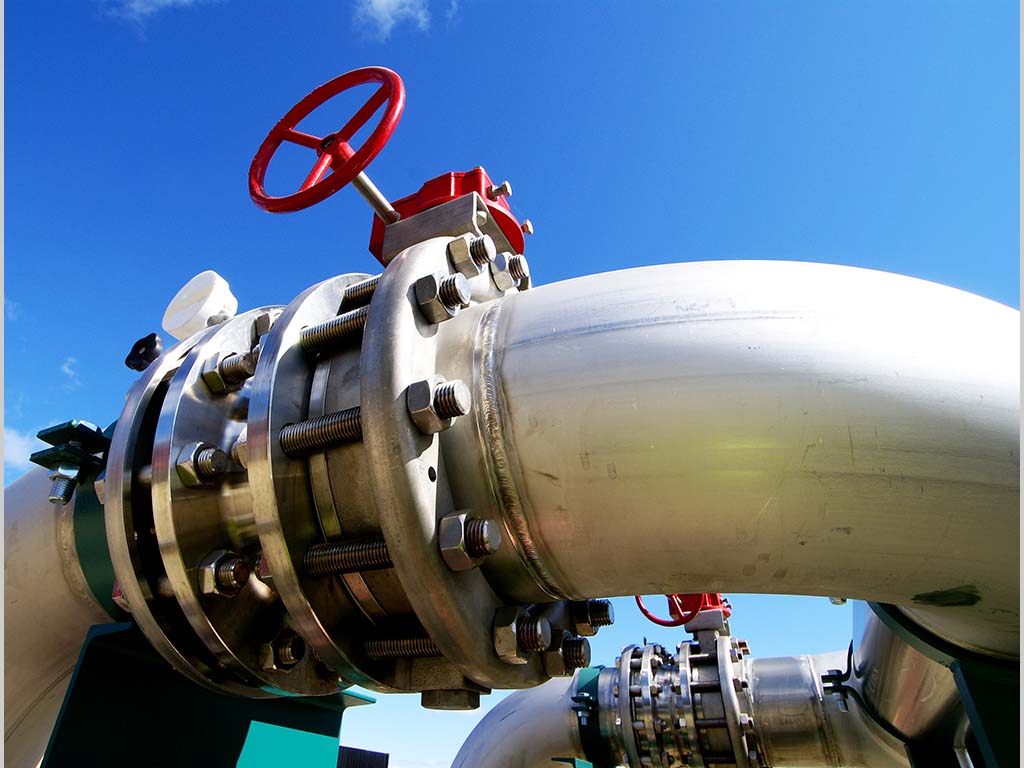
The Council confirmed that imports of Russian gas will be prohibited from January 1, 2026, while maintaining a transition period for existing contracts. The proposed regulation introduces a legally binding, stepwise prohibition on both pipeline gas and liquefied natural gas (LNG) imports from Russia.
A full ban should apply from January 1, 2028, the announcement says.
Short-term contracts concluded before June 17, 2025, may continue until June 17, 2026, whereas long-term contracts may run until January 1, 2028.
Amendments to existing contracts will be permitted only for narrowly defined operational purposes and cannot lead to increased volumes, except for some specific flexibilities for landlocked member states affected by recent changes in supply routes.
The Council has also streamlined customs obligations by establishing lighter documentation requirements and procedures for imports of non-Russian gas. In such cases, only proof of the country of production must be provided to the authorizing authorities before gas enters the EU’s customs territory. The proof must be provided at least five days before entry.
More information is requested for gas imports from Russia during the transitional phase, including the date and duration of the supply contract, the quantities contracted and any amendments to the contract. The information required for authorization must be submitted at least one month before entry.
In the case of mixed LNG cargos, the documentation must prove the respective shares of Russian and non-Russian gas in the mixture, with only the non-Russian amounts being allowed to enter the EU.
It also clarified the suspension clause, specifying which types of disruption to the security of supply could justify a temporary lifting of the import prohibition or of the prior authorization requirement.
As the next step, the Council presidency will start negotiations with the European Parliament with a view to agreeing on the final text of the regulation, once the latter has adopted its position.
Minister of Mining and Energy Dubravka Djedovic Handanovic stated that Serbia was in a very difficult and almost hopeless situation, after the Council of the European Union adopted a ban on the transit of Russian gas through the EU to third countries, and the measure comes into force on January 1, 2026. The minister stated that “the bottom line is that Bulgaria will not allow the flow of Russian gas through the Balkan Stream, which will also harm Serbia in the future.”
– Thanks to the excellent relations of President Aleksandar Vucic with world leaders, we hope to find a solution and are doing everything in our power, but the situation is almost hopeless, taking into account the current situation regarding Naftna industrija Srbije. Our country, which is not a participant in any conflict, has found itself affected through no fault of its own – stated Djedovic Handanovic.
B. P.

Tags:
Council of the European Union
Ministry of Energy of Serbia
Dubravka Đedović Handanović
ban on transit of Russian gas through EU to third countries
Balkan Stream
Russian gas
Comments
Your comment
Naš izbor


Most Important News
Full information is available only to commercial users-subscribers and it is necessary to log in.
Pratite na našem portalu vesti, tendere, investicione projekte, grantove i pravnu regulativu.
Registracija na eKapiji vam omogućava pristup potpunim informacijama i dnevnom biltenu
Naš dnevni ekonomski bilten će stizati na vašu mejl adresu krajem svakog radnog dana. Bilteni su personalizovani prema interesovanjima svakog korisnika zasebno,
uz konsultacije sa našim ekspertima.