


 Izdanje Srbija
 Serbische Ausgabe
 Izdanje BiH
 Izdanje Crna Gora


 News
News


Implementation of Law on Official Controls from March 1 next year
Source: eKapija
 Wednesday, 01.10.2025.
08:37
Wednesday, 01.10.2025.
08:37
Wednesday, 01.10.2025.
08:37
 Comments


(Photo: gresei/shutterstock.com)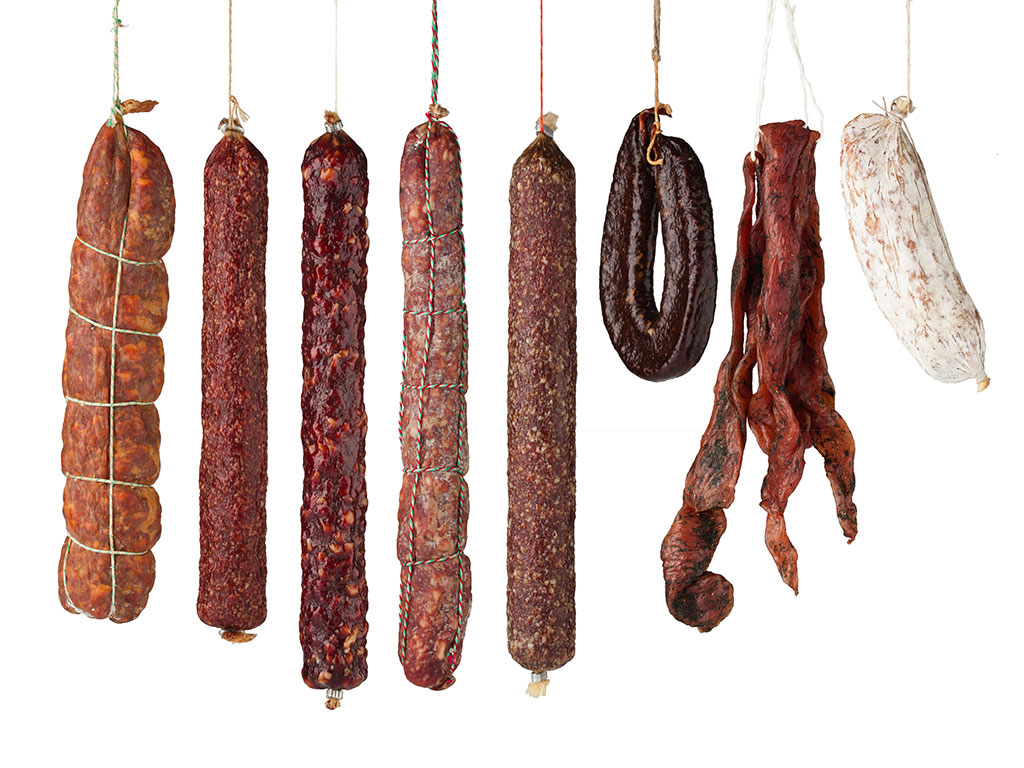
As part of the public meeting, the Ministry organized a roundtable dedicated to the presentation of the Draft Law that fully harmonizes measures in the Republic of Serbia with European Union standards, thus creating conditions for the smooth export of animals, food, animal feed and other goods, the statement said.
The aim of the roundtable was to consider the proposed text of the Draft Law through expert dialogue, as well as to provide the highest quality legal solution through the exchange of experiences and comments that will serve the citizens, economy and the European future of Serbia.
It was emphasized at the meeting that the Draft Law on Official Controls introduced a system of checks throughout the entire food production chain in the country, based on the “field to fork” principle, and brought a clear distinction between official controls and other activities, more efficient import control and a harmonized certification system, uniform rules for official laboratories and accreditation, as well as greater transparency and accountability of the competent authorities, as the public would be informed at least once a year about the results of official controls.
State Secretary of the Ministry of Agriculture, Forestry and Water Management Zeljko Radosevic emphasized that the Draft Law was not aimed at punishing economic entities, but at raising the level of food safety and quality with rational supervision, as well as at creating legal certainty and predictability of business. This, according to Radosevic, will mean a more competitive economy, easier access to international markets and better protection of citizens.
The participants in the roundtable paid special attention to the topics of preventing food fraud, cooperation between inspection services and achieving transparency. The importance of cooperation with the police and other competent authorities in the fight against fraudulent activities was also emphasized, citing examples of good practice from individual European Union countries, the statement concludes.
Companies:
 Ministarstvo poljoprivrede, šumarstva i vodoprivrede Republike Srbije
 Narodna skupština Republike Srbije
Tags:
Željko Radošević
Law on Official Controls
law implementation
export of animals
export of food
export of animal feed
field to fork checks
Comments
Your comment
Naš izbor


Most Important News
Full information is available only to commercial users-subscribers and it is necessary to log in.
Pratite na našem portalu vesti, tendere, investicione projekte, grantove i pravnu regulativu.
Registracija na eKapiji vam omogućava pristup potpunim informacijama i dnevnom biltenu
Naš dnevni ekonomski bilten će stizati na vašu mejl adresu krajem svakog radnog dana. Bilteni su personalizovani prema interesovanjima svakog korisnika zasebno,
uz konsultacije sa našim ekspertima.