


 Izdanje Srbija
 Serbische Ausgabe
 Izdanje BiH
 Izdanje Crna Gora


 News
News


Margin restrictions changing retailers’ strategies -–Are retailers turning to more expensive products and cost cutting?
Source: eKapija
 Thursday, 04.09.2025.
12:20
Thursday, 04.09.2025.
12:20
Thursday, 04.09.2025.
12:20
 Comments


Illustration (Photo: Unsplash/Nathália Rosa)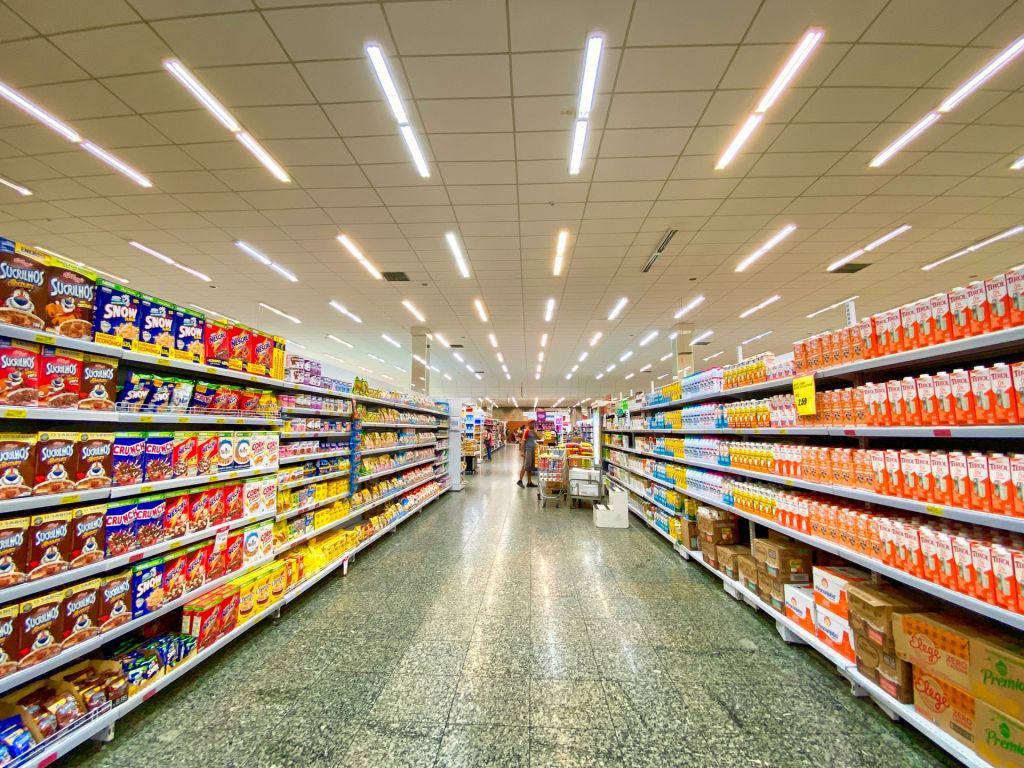
The decree was originally passed on August 28, but was amended the very next day after, as the government announced, “traders tried to put pressure on suppliers, demanding an increase in rebates.” The state then additionally limited logistics rebates and other fees. The logistics rebate can now be a maximum of 3%, while the fee for shortages and write-offs of goods is limited to 1%.
The state’s decision to limit trade margins has already produced the first effects in the form of short-term price reductions, but in the long term it may significantly change the structure of the retail market, Dejan Cirkovic, partner at Virtus Partners, told eKapija.
– In the long run, if this continues and retailers do not find a way to circumvent the rules, we will see significant changes in the range of products. Paradoxically, it will be more profitable for them to push the sale of more expensive products, where the manual revenue per unit is higher, while significantly cutting operating costs and shifting financing costs to suppliers – explains Cirkovic.
He reminds that retail chains have already shown “creative” ways of circumventing regulations, which, as he says, was expected.
– I think this will continue – he adds.
The effects on profitability could be dramatic. Cirkovic cites the example of the largest retailer in the country: the average gross margin in 2024 was 32%, while the net margin was at the level of around 4%.
– If the gross margin is reduced to 20% and nothing else changes, this means that with the existing business model, the largest retailer is going into a severe deficit. A similar thing, although on a smaller scale, is happening with other large retailers – he warns.
The issue of survival is particularly important for domestic retailers.
– Paradoxically, I believe that large international chains, thanks to stronger sources of financing and the ability to import goods, will have an easier time getting through this regulation, while domestic retailers will find this a much more difficult task. In other words, this is a crisis situation for all retailers above a defined level of turnover, but it will be much more difficult for smaller retailers in that group – concludes Cirkovic.
Negative impact on retail, retailers say
In response to the new measures, some retailers are already canceling promotional discounts, assessing that they have no room for additional discounts.
One of the largest chains, Delhaize Serbia, says that according to current estimates, the new regulations have a negative impact and require significant adjustments for this company and the entire retail sector.
– Delhaize Serbia achieved a net profit margin of 4.4% in 2024. So, out of every 100 dinars spent in our stores, 4.40 dinars remain as the company’s profit after all costs are covered - from suppliers and employee salaries, to taxes, rent and other expenses – the company says.
Ivana Zikic


Comments
Your comment
Naš izbor


Most Important News
Full information is available only to commercial users-subscribers and it is necessary to log in.
Pratite na našem portalu vesti, tendere, investicione projekte, grantove i pravnu regulativu.
Registracija na eKapiji vam omogućava pristup potpunim informacijama i dnevnom biltenu
Naš dnevni ekonomski bilten će stizati na vašu mejl adresu krajem svakog radnog dana. Bilteni su personalizovani prema interesovanjima svakog korisnika zasebno,
uz konsultacije sa našim ekspertima.