


 Izdanje Srbija
 Serbische Ausgabe
 Izdanje BiH
 Izdanje Crna Gora


 News
News


Potential Trouble for Serbia’s Nuclear Power Plant Plans? – EDF Scales Back International Projects

 Comments


(Photo: FooTToo/shutterstock.com)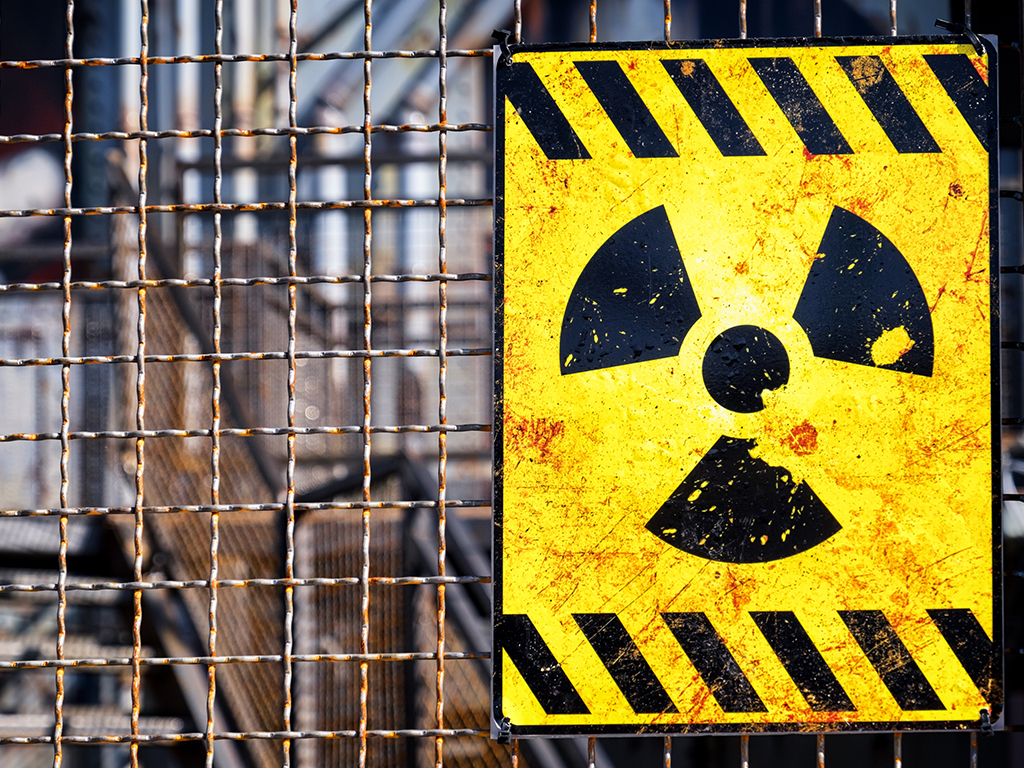
At his parliamentary hearing, Fontana stated that he would prioritize the development of EDF’s domestic nuclear projects over its international operations, which currently employ hundreds of staff and have previously built reactors in China, Finland, and the UK.
In effect, France—a global nuclear energy leader and the largest nuclear power producer in Europe—is stepping back from the international market. This opens opportunities for new players but also creates complications for others, including Serbia: high costs and design challenges are weakening EDF’s ability to compete globally.
Fontana was appointed in April to take over the state-owned utility after government frustration with delays in EDF’s overhaul of France’s aging nuclear fleet. In recent weeks, he has outlined a shift in the company’s international approach, including pulling out of several reactor bids outside Europe, according to the sources.
EDF will now focus on nuclear tenders in the Netherlands, Sweden, and Finland—markets where it sees higher chances of success, said one industry source familiar with the plans.
At the same time, the company will deprioritize projects in countries like Poland, India, Canada, and others outside Europe, the same source said.
The reduction in global operations will help EDF lower costs and reallocate resources to higher-priority projects, another industry source noted.
EDF stated that no final decisions have been made.
“The new French nuclear program is the group’s top priority,” said an official from the office of Prime Minister François Bayrou.
Recent EDF international projects have suffered from long delays and cost overruns. Last year, the company lost a bid to South Korea’s KHNP for two new reactors in the Czech Republic.
Fontana also plans to reduce headcount in the international sales team, with around 60 positions at risk—10 of them at the management level—according to sources.
“EDF continues its international activities, while keeping a close eye on the profitability of its commitments,” the company said. “Europe has always been our first priority, and the focus now is on strengthening the European supply chain,” said an EDF spokesperson. A government official added, “It’s essential that these international projects contribute to strengthening France’s nuclear industry.”
Reuters notes a consistent message across all statements. President Emmanuel Macron, in early 2022, announced plans to build six new reactors in France to replace aging plants and secure future energy supply, with estimated costs at €67 billion. However, EDF remains heavily indebted after years of repairing its domestic fleet.
EDF has also reduced its stake in the UK’s Sizewell C and Hinkley Point C projects, bringing in private investors to help share the risk and free up capital.
The company is also seeking to sell parts of its renewable energy assets in North America and Brazil. Its subsidiaries Framatome and Arabelle, which manufacture reactor components, will continue to bid on international projects such as the AP1000 in Poland, one source added.
This development is particularly significant for Serbia. EDF is considered a potential partner for the country’s first nuclear power plant and has already completed a preliminary feasibility study for the Serbian government. Whether EDF will formally withdraw or not remains unclear—but what is certain is that the pool of potential partners, already small, is shrinking further.
Westinghouse is now expected to build up to ten reactors in the U.S., KHNP is gradually stepping away from non-Asian projects, and China—despite a large domestic pipeline—shows limited ambition abroad. Rosatom remains active globally but faces serious funding issues due to Western sanctions.
That leaves very few options. As for Serbia’s proposed nuclear project—one that has seen little concrete activity—the future remains uncertain.
Tags:
EDF
Bernard Fontana
nuclear projects abroad
Serbian nuclear power plant
withdrawal
new French nuclear program
construction of a nuclear power plant in Serbia
Comments
Your comment
Naš izbor

Most Important News
Full information is available only to commercial users-subscribers and it is necessary to log in.
Pratite na našem portalu vesti, tendere, investicione projekte, grantove i pravnu regulativu.
Registracija na eKapiji vam omogućava pristup potpunim informacijama i dnevnom biltenu
Naš dnevni ekonomski bilten će stizati na vašu mejl adresu krajem svakog radnog dana. Bilteni su personalizovani prema interesovanjima svakog korisnika zasebno,
uz konsultacije sa našim ekspertima.