
Special edition newsletter
DESTINATION OF THE FUTURE - A region that welcomes the world





Algorithm as a Travel Guide - Who does Really Influence the Choice of Destination Today?


Illustration (Photo: sebra/shutterstock)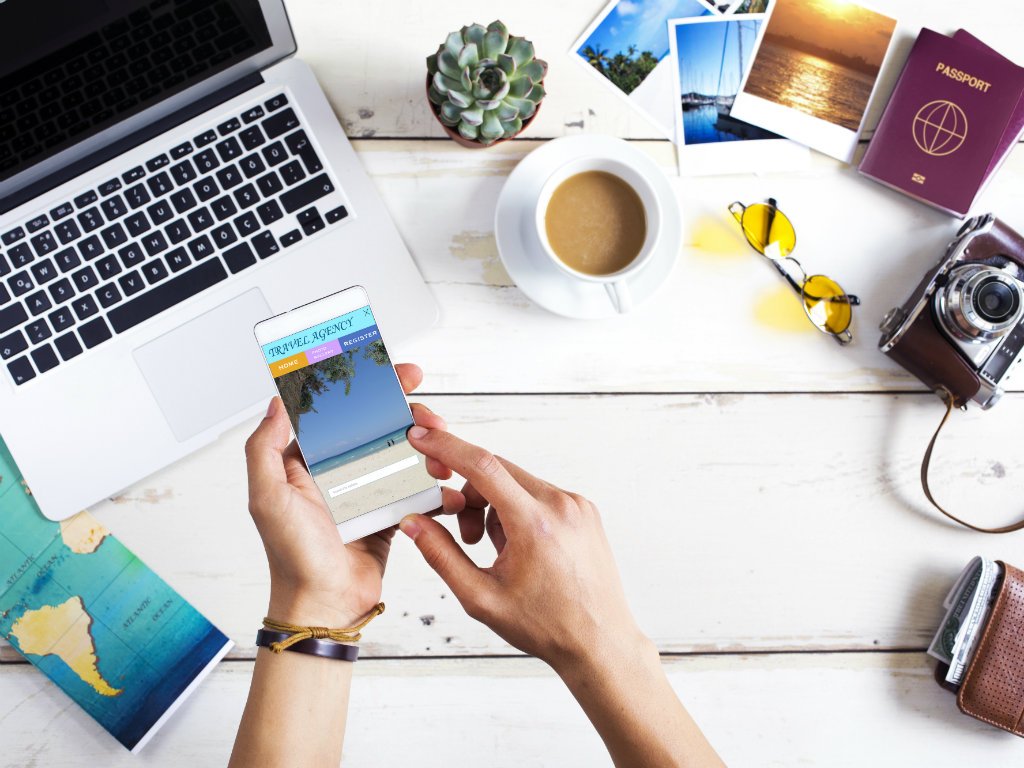
In modern tourism, the first impulse often does not come from a catalog, brochure or search, but from the algorithm. Today, social networks and artificial intelligence not only inspire travelers, but increasingly influence how, where and why we travel.
Milan Stojković, consultant for digital marketing in tourism, who follows first-hand how destinations and hotels adapt to the digital rules of the game, speaks for eKapija about what that new path from inspiration to booking looks like.
From inspiration to booking - Where`s the real power of Instagram?
Today, a good reel can "put a destination in someone`s head" in just a few seconds. However, as Stojković explains, Instagram rarely sells a trip directly.
- A good reel can make that first click in your head, but hardly anyone makes a reservation just because they`ve seen a nice video - he says.
Instagram, according to him, is the strongest in the stage of inspiration and desire awakening. The real decision comes only later, when emotion collides with real issues: pricing, reviews, availability and trust. That`s when Google, Booking.com, maps and YouTube come into play. In other words - Instagram says "I will" and other channels decide "I can".
Has photogenicity become essential?
Photogenicity undoubtedly attracts attention today, and attention, as Stojković emphasizes, is the currency of the digital age. However, it is not enough to sustain interest in the long term.
Destinations that rely only on beautiful shots often make a mistake. What keeps guests coming back and brings good referrals are the things that don`t show in the photos: organization, value for money, infrastructure, food, sense of security and overall experience.
-A destination can be beautiful in a picture, while in reality it disappoints and that is never sustainable - warns Stojković, adding that those that are both visually appealing and functional win in the long run.
AI changes search and positioning rules
AI is already changing the way people plan trips. Instead of classic questions, today`s travelers ask very specific questions: where to go, when, with what budget and under what conditions.
This means destinations and hotels can no longer rely on generic messages.
- The one who shouts `we are the best` does not win, rather, the one that is most clearly described through real benefits and evidence - says Stojković.
Although there is a danger that AI recommendations favor the big players, like Booking.com and Expedia, which are already associated with major language models, there is still room for smaller and lesser known destinations. The key lies in clear information, authentic stories and a good digital footprint.
AI, as our interlocutor emphasizes, does not reward brand size, but clarity, relevance and experience, which is a great opportunity for the region.
Illustration (Photo: Pixabay / igorovsyannykov)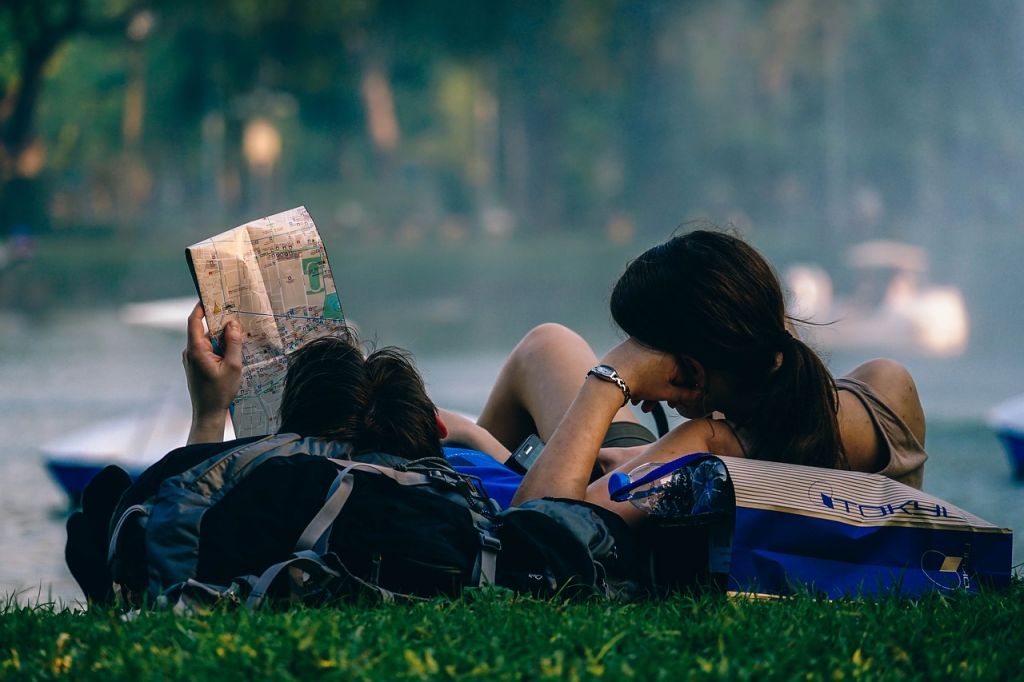
How prepared is the region for this change?
According to Stojković - insufficient.
The majority of tourist organizations and hotels still operate according to the old model: occasional campaigns, nice photos and messages like "ideal destination for everyone". The problem is that such an approach no longer works, neither with humans nor with AI systems.
- The sites are often unclear, slow, full of phrases and without answers to the real questions of travelers - he states, adding that the behavior of users is rarely measured, and the digital trail of destinations remains scattered and inconsistent.
In order to be visible in AI searches, destinations need to change their approach: to offer concrete answers, arrange the digital base and seriously work on reputation, not just "visibility".
Virality as a trap
Even though virality is the dream of many destinations, it also carries risks. An excessive influx of tourists can lead to crowding, dissatisfaction of guests and pressure on the local community.
The solution, however, is not to pull back from marketing, but smarter management, off-season promotion, directing to alternative locations and setting expectations clearly.
Tourism, as pointed out by Stojković, must not only aim to bring guests, but also to preserve the space and the quality of life of local residents.
Who do travelers trust today?
In the dilemma between professional production and authentic footage, the answer is clear: people trust people.
- One honest video of a guest often has a greater impact than a perfectly polished promotional video - says Stojković.
In practice, even imperfect selfies, with a slight tremor of the hand and without editing, they create a stronger trust, because they seem realistic. In the age of AI-generated perfect frames, it is precisely that raw authenticity that becomes the greatest value. The ideal strategy, he adds, is a balance – professional for the first impression, authentic for trust.
Although social networks inspire, concrete reservations still happen most often on Google and Booking.
These are places where travelers already intend to travel and where prices, locations and reviews are compared. Whoever is not clear, reliable and well-positioned at that moment loses the reservation, regardless of the quality of the content on social networks.
Stojković especially draws attention to the fact that OTA platforms have sophisticated ranking algorithms, whose optimization is often neglected in the region.
Illustration (Photo: zeljkodan/shutterstock.com)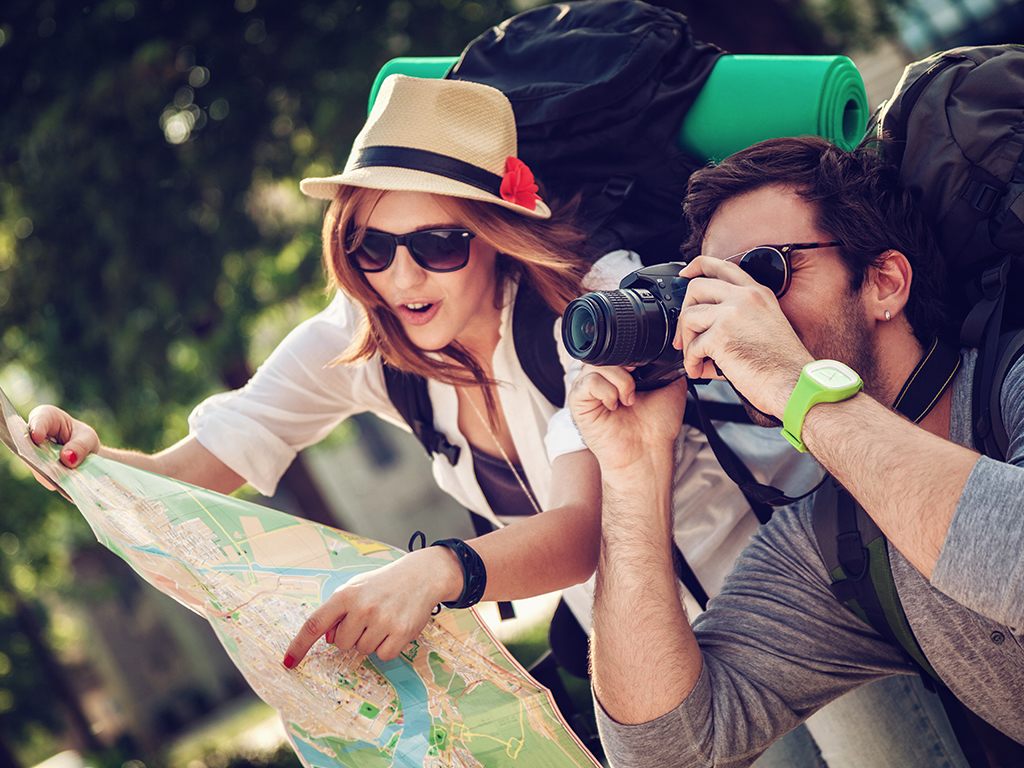
What is success in digital tourism?
Likes are no longer a measure of success. The key is to track the entire guest journey, from the first interaction to the reservation. Micro-conversions, such as repeat visits or inquiries, are often just as important as the final click itself.
Tourism has a long decision-making cycle, and whoever looks only at the last step misses the bigger picture, notes the eKapija interlocutor.
In conclusion, Stojković says that the product is the basis of everything. If the offer is good and clearly defined, marketing becomes easier. The focus should be on channels that realistically bring guests, profile optimization and work on reputation.
-Visibility comes later, trust comes first - Stojković says.
Ivana Žikić

Click here to see the entire Special Edition Newsletter
"DESTINATION OF THE FUTURE - A region that welcomes the world"
Back to newsletter