


 Izdanje Srbija
 Serbische Ausgabe
 Izdanje BiH
 Izdanje Crna Gora


 News
News


Rise of Euribor and its consequences – What awaits those paying out variable-rate loans

 Comments


Illustration (Photo: Shutterstock/Janusz Pienkowski)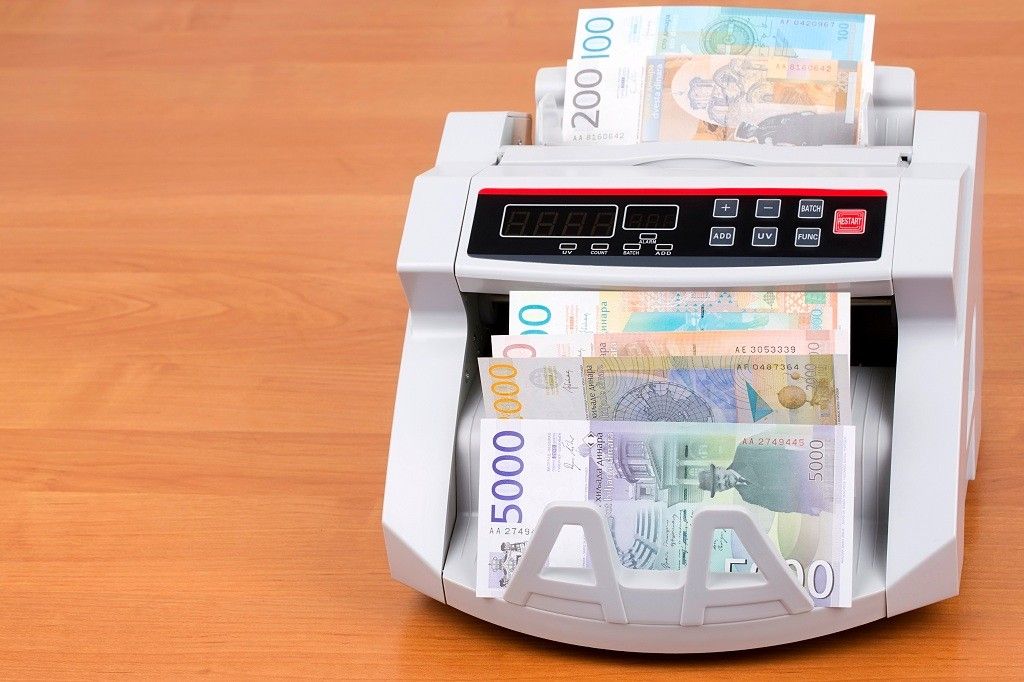
Borrowers with housing loans had just recovered from the shock of a sudden interest rate hike, as rates had doubled four years before, when the European Central Bank began raising its key interest rate again due to the oil price shock. This increase is passed on to borrowers with variable-rate contracts.
Three years ago, the National Bank of Serbia implemented a repayment moratorium and halted a potential rise in non-performing loans - primarily through the enactment of the Law on the Protection of Users of Financial Services.
At that time, overarching mechanisms were established to ensure that such a sudden, rapid rise would not permanently render clients unable to repay their loans.
– Limits were introduced. The National Bank of Serbia adjusts these limits every six months based on the weighted average interest rate; specifically, the interest rate increase over the next six months is not permitted to exceed twenty percent of the weighted average interest rate, which is determined twice a year – explains Darko Stamenkovic, Director of the Banking Supervision Department at the NBS.
While awaiting the next interest rate adjustment in December, experts believe that the total housing loan debt should not increase by more than 6%, and the monthly installment by one-fifth.

Comments
Your comment
Naš izbor

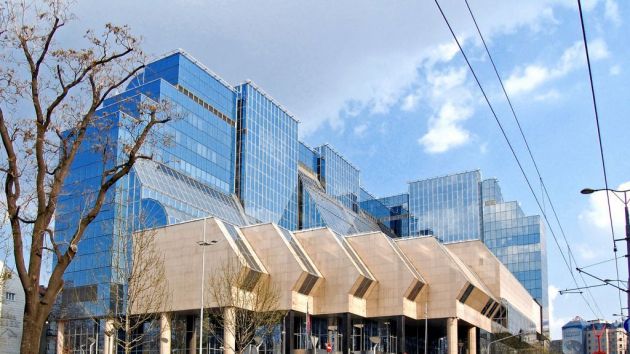


Most Important News
Full information is available only to commercial users-subscribers and it is necessary to log in.
Pratite na našem portalu vesti, tendere, investicione projekte, grantove i pravnu regulativu.
Registracija na eKapiji vam omogućava pristup potpunim informacijama i dnevnom biltenu
Naš dnevni ekonomski bilten će stizati na vašu mejl adresu krajem svakog radnog dana. Bilteni su personalizovani prema interesovanjima svakog korisnika zasebno,
uz konsultacije sa našim ekspertima.