


 Izdanje Srbija
 Serbische Ausgabe
 Izdanje BiH
 Izdanje Crna Gora


 News
News


Danube drops to 1,600 cubic meters per second – Djerdap operating with six generators, EPS assuring that system is stable

 Comments


(Photo: Katarina Stevanović)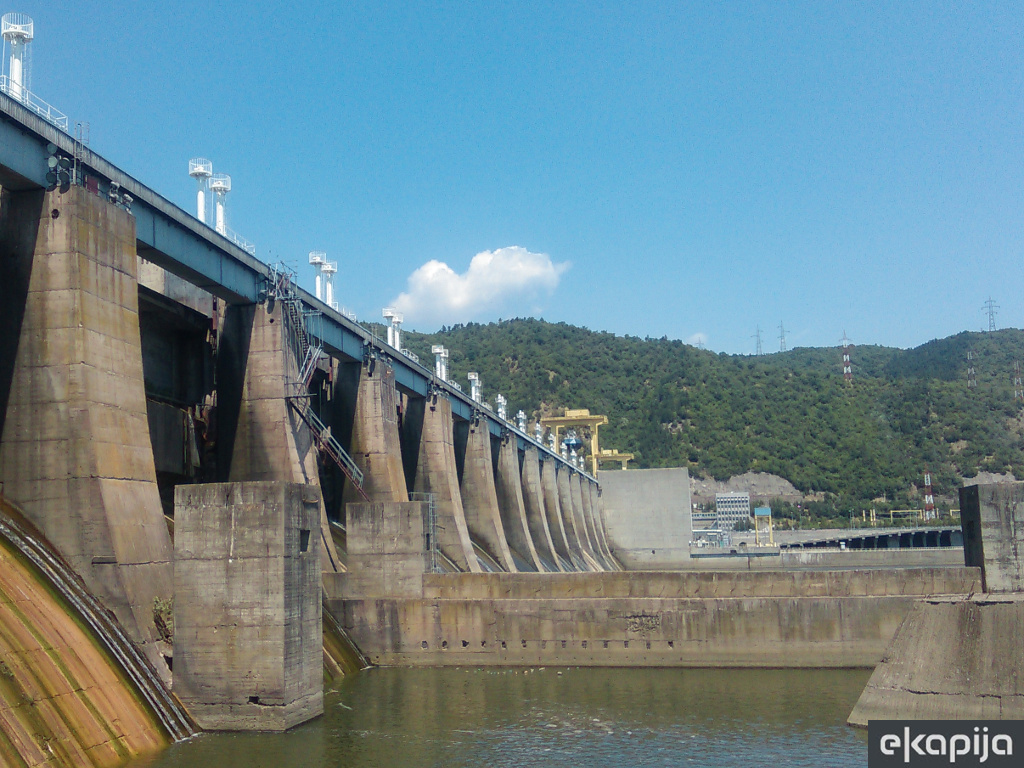
Asked whether an appeal is being sent to both the citizens and the economy of Serbia to take care of saving due to the overall poor hydrology and high heat, Elektroprivreda Srbije (EPS) told Politika that despite the poor water level of the Danube and difficult working conditions in the mines due to high temperatures, EPS ensured a stable supply of electricity by efficiently managing the electricity portfolio.
– Completed overhauls and the planned level of coal stocks at the deposits ensure the smooth operation of thermal power plants. Water reservoirs are filled and maintained at a high level by purchasing energy during periods of solar hours when prices are low or negative, and used during periods of increased consumption, which was significantly contributed to by the completed revitalization of the Bajina Basta reversible hydroelectric power plant. Also, certain quantities of electricity are provided to the market in a planned and timely manner – EPS emphasizes.
The stability of electricity supply is an absolute priority for EPS, along with the financially sustainable and profitable operations of the company.
– We emphasize once again that citizens have no reason to worry, because EPS is ready for such situations – they are categorical.
When asked what the situation is on the Djerdap due to the Danube, they answer that the low inflows on the Danube have a very adverse effect on the production of the Djerdap 1 and Djerdap 2 hydroelectric power plants.
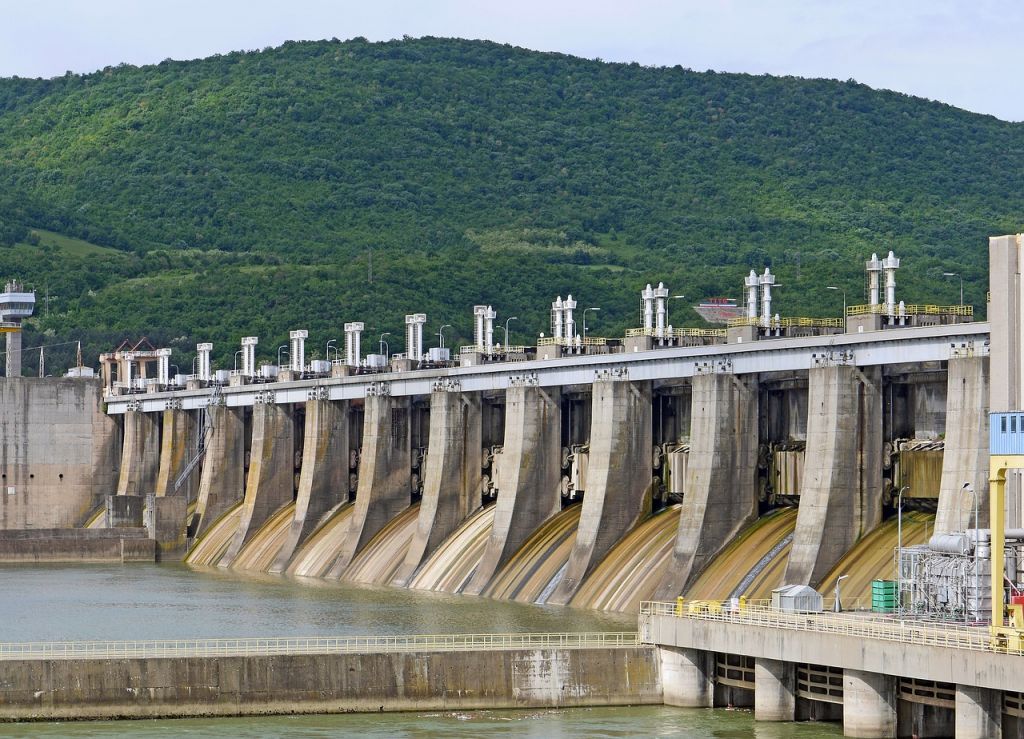
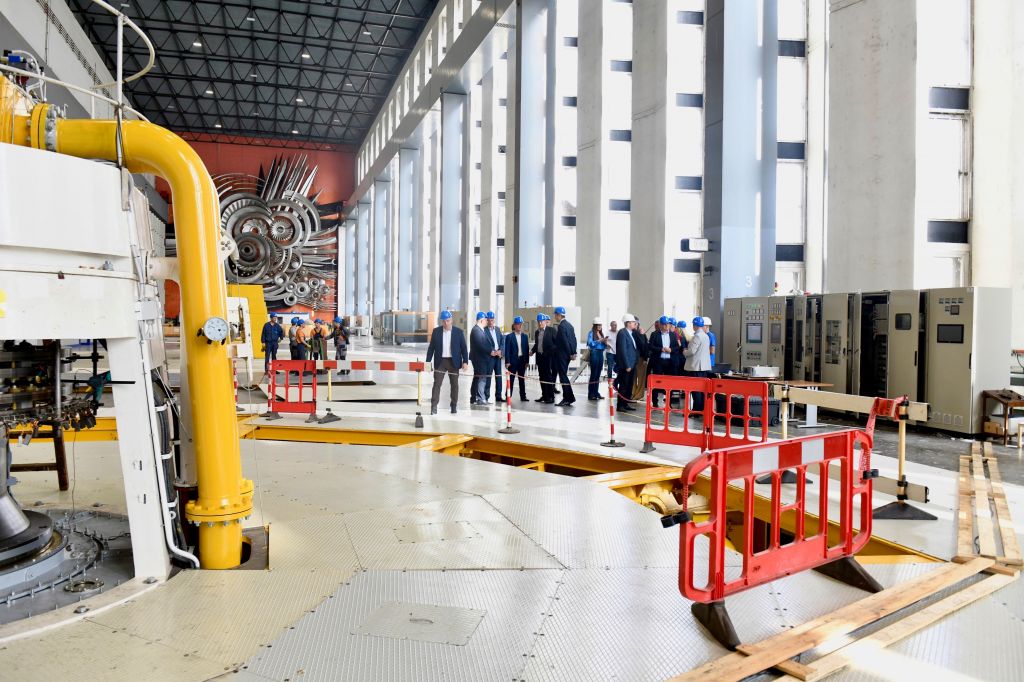
– The current inflows of the Danube are only 1,600 cubic meters per second, so six out of 16 generators that use every available drop of water to produce electricity are in operation. Both power plants deliver about 7,000 megawatt-hours to the electricity system daily, Djerdap 1 about 20% of maximum daily production, and Djerdap 2 about 30% of maximum daily production – EPS says.
It is important to note that the low water level does not threaten the Djerdap HPP system and that the power plants are ready to operate at all times, regardless of how low the water inflow is and how long this situation lasts.
Additionally, the low water level of the Danube is being carefully monitored in order to minimize the impact on the operation of the cooling system in the thermal power plants in Kostolac, in order to optimally manage their production. When it comes to thermal capacities in Obrenovac, the water level of the Sava does not threaten the operation of their cooling pumps.


U blizini:


2,1 km


Fotografije:


Opis:
Vidi sve
Companies:
 Elektroprivreda Srbije ad Beograd

Comments
Your comment
Naš izbor


Most Important News
Full information is available only to commercial users-subscribers and it is necessary to log in.
Pratite na našem portalu vesti, tendere, investicione projekte, grantove i pravnu regulativu.
Registracija na eKapiji vam omogućava pristup potpunim informacijama i dnevnom biltenu
Naš dnevni ekonomski bilten će stizati na vašu mejl adresu krajem svakog radnog dana. Bilteni su personalizovani prema interesovanjima svakog korisnika zasebno,
uz konsultacije sa našim ekspertima.