


 Izdanje Srbija
 Serbische Ausgabe
 Izdanje BiH
 Izdanje Crna Gora


 News
News


CCIS developing digital platform Sustainable Textile in cooperation with Swiss Import Promotion Program
Source: eKapija
 Sunday, 12.07.2026.
10:31
Sunday, 12.07.2026.
10:31
Sunday, 12.07.2026.
10:31
 Comments


Illustration (Photo: Ursa Major/shutterstock.com)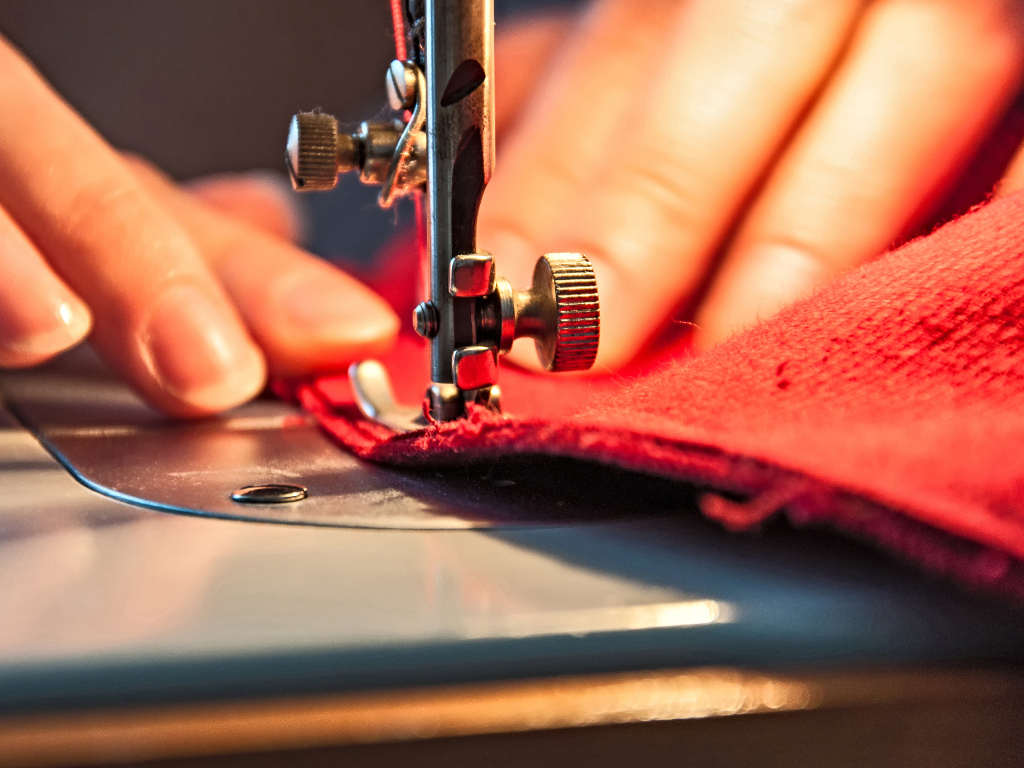
The idea of the platform, as added, arose from the need of the economy to find reliable and practical information on sustainable business in one place. The platform will be published by the end of July, and will bring together all key information, guides, self-assessment tools, examples of good practice and expert content that will make it easier for companies to implement the new European requirements.
– It will be available in Serbian and English and, in addition to supporting domestic companies, will also represent a place to promote the Serbian textile industry towards international partners, buyers and investors. Domestic and international partners, development projects and activities that contribute to the sustainability and greater competitiveness of the textile sector will be presented in one place – emphasizes Katarina Momcilovic Matic, Senior Advisor at the Association for the Textile, Clothing, Leather and Footwear Industry of the CCIS.
She points out that clothing is produced faster than ever today. New collections are replaced every week, and millions of pieces end up in landfills after a very short period of use. The phenomenon of ultra-fast fashion, based on the mass production of cheap clothing, extremely short production cycles and the encouragement of constant shopping, has become one of the biggest challenges of the modern textile sector. Although it has brought consumers more affordable fashion, it has also led to enormous consumption of natural resources, increased greenhouse gas emissions and the creation of huge amounts of textile waste.
– According to data from the European Environment Agency, in the member states of the European Union during 2022, about 6.94 million tons of textile waste were generated, or approximately 16 kilograms per capita. Such a model of production and consumption has proven to be unsustainable in the long term. Estimates show that global textile consumption will increase by as much as 63% by 2030 – from 62 to 102 million tons per year – Momcilovic Matic points out.
The European Union therefore ranks the textile industry among the four sectors with the greatest impact on the environment, along with food production, housing and mobility. At the same time, textiles represent the third largest source of pressure on water and land use and the fifth largest in terms of consumption of primary raw materials and greenhouse gas emissions.
She reminds that the European Union, through the European Green Deal and the Strategy for Sustainable and Circular Textiles, is introducing completely new business rules. The Regulation on Ecodesign of Sustainable Products (ESPR), the Digital Product Passport (DPP), Extended Producer Responsibility (EPR), sustainable reporting and other measures are becoming the new business standard for companies that want to operate on the European Union market.
– For Serbian manufacturers, sustainability is no longer a question of the future or the added value of products – it is becoming a condition for accessing the European Union market. Customers are increasingly seeking information about the origin of raw materials, the carbon footprint of products, recycling possibilities and compliance with European standards, which is why timely preparation of companies is of crucial importance – says Momcilovic Matic.
In recent years, the CCIS, in cooperation with the SIPPO program, has been developing support programs for companies through professional training, workshops and practical tools, and the development of the Sustainable Textile Serbia platform is the crowning achievement of these activities.
– Our goal is not only to familiarize companies with the new rules, but to help them successfully implement them. Sustainable transformation is no longer a choice, but a development opportunity and one of the key prerequisites for the long-term competitiveness of the Serbian textile industry – says the representative of the CCIS.


Fotografije:

Companies:
 Privredna komora Srbije
Tags:
Swiss Import Promotion Program
Katarina Momčilović Matić
digital platform Sustainable Textile Serbia
Sustainable Textile Serbia
Comments
Your comment
Naš izbor


Most Important News
Full information is available only to commercial users-subscribers and it is necessary to log in.
Pratite na našem portalu vesti, tendere, investicione projekte, grantove i pravnu regulativu.
Registracija na eKapiji vam omogućava pristup potpunim informacijama i dnevnom biltenu
Naš dnevni ekonomski bilten će stizati na vašu mejl adresu krajem svakog radnog dana. Bilteni su personalizovani prema interesovanjima svakog korisnika zasebno,
uz konsultacije sa našim ekspertima.