


 Izdanje Srbija
 Serbische Ausgabe
 Izdanje BiH
 Izdanje Crna Gora


 News
News


NBS: IMF Executive Board decides on successful completion of third review of Policy Coordination Instrument
Source: eKapija
 Tuesday, 16.06.2026.
09:26
Tuesday, 16.06.2026.
09:26
Tuesday, 16.06.2026.
09:26
 Comments


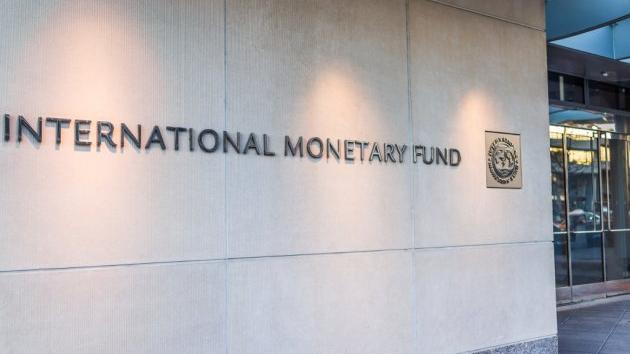
Illustration (Photo: Atstock Productions/shutterstock.com)
According to the NBS’s press release, given Serbia’s economic policy measures and strong macroeconomic performance, the decision was made without convening a formal Board meeting, a possibility used when assessed that a formal discussion is not needed.
In its press release, the IMF Executive Board noted, inter alia, that the performance under the agreed economic program remains robust. It is pointed out, according to the NBS, that the implementation of structural reforms progresses well, that all reform targets have been completed on schedule and that all quantitative targets for end-2025 have been met.
– The IMF states that the Serbian economy has remained resilient despite intensified external headwinds. Strong economic fundamentals enable Serbia to cope with these headwinds even if the Middle East conflict proves prolonged. A broadly aligned external position, moderate public debt, high FX reserves and a well-capitalized banking system should help the economy navigate these challenges – the NBS press release points out.
The NBS notes that the IMF points out, when it comes to Serbia’s key economic indicators, that despite intensifying external and domestic headwinds, Serbia’s economy has remained resilient, that economic activity strengthened in early 2026, while growth is projected to stay strong in 2026 and to accelerate to 4% in 2027. It is also assessed that headline inflation remained moderate and within the NBS’s tolerance band, that FX reserves stayed at exceptionally high levels and that the banking sector remains sound, supported by strong capitalization, liquidity and profitability.
– The IMF also highlights the reforms that should remain a focus in the period ahead, including the already identified reforms in the energy sector, as well as reforms aimed at supporting Serbia’s transition to a higher value-added growth model. Temporary measures adopted in response to numerous external risks should, if necessary, be accompanied by a reprioritization of current and capital spending. Fiscal policy should remain anchored by the 3% of GDP deficit ceiling in 2026–2027 and by adherence to the fiscal rules governing public sector wages and pensions. Monetary policy should remain restrictive and be tightened further if inflation expectations increase – the NBS emphasizes.
According to the NBS, the successful completion of the third review of the PCI-supported economic program is yet another proof that Serbia continues to pursue sound economic policies.
The Policy Coordination Instrument was approved to the Republic of Serbia on December 9, 2024, for a period of 36 months. It is advisory in nature and does not involve the use of financial resources. It is approved to countries that are implementing credible economic policies. Performance under the program is monitored within regular semi-annual reviews.

Comments
Your comment
Naš izbor

Most Important News
Full information is available only to commercial users-subscribers and it is necessary to log in.
Pratite na našem portalu vesti, tendere, investicione projekte, grantove i pravnu regulativu.
Registracija na eKapiji vam omogućava pristup potpunim informacijama i dnevnom biltenu
Naš dnevni ekonomski bilten će stizati na vašu mejl adresu krajem svakog radnog dana. Bilteni su personalizovani prema interesovanjima svakog korisnika zasebno,
uz konsultacije sa našim ekspertima.