


 Izdanje Srbija
 Serbische Ausgabe
 Izdanje BiH
 Izdanje Crna Gora


 News
News


More than 60 power plants in Serbia lose their privileged producer status – What is their future on the market?
Source: eKapija
 Monday, 08.06.2026.
13:39
Monday, 08.06.2026.
13:39
Monday, 08.06.2026.
13:39
 Comments


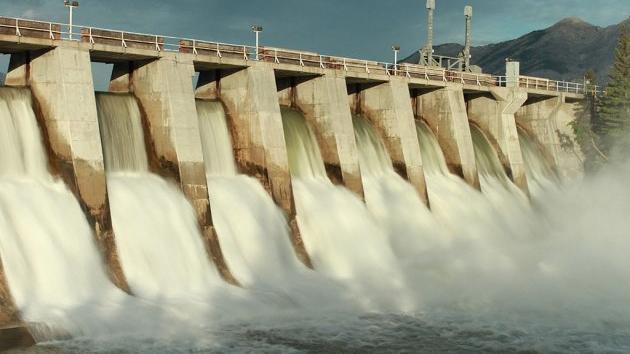
Illustration (Photo: shuttestock.com)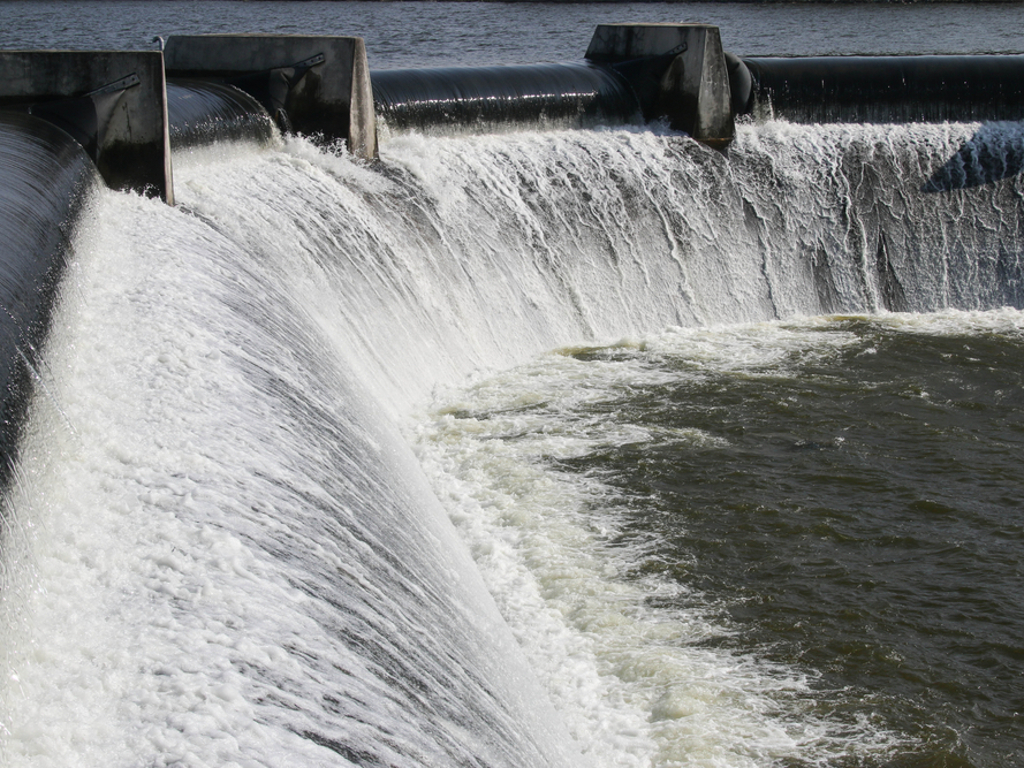
The privileged producer status for such companies lasted 12 years, and a large number of pioneering RES projects recently expired.
Data show that since 2022, more than 60 power plants across Serbia have lost their privileged producer status.
Their total installed capacity exceeds 36 megawatts, which represents a significant financial relief for Elektroprivreda Srbije, since the energy from these plants is no longer purchased at guaranteed prices.
Small hydropower plants most numerous
Among the power plants that have lost their privileged producer status, the majority are small hydropower plants (28) with a total installed capacity of around 23 MW.
Next are 27 solar power plants with an installed capacity of 3.6 MW and two biogas power plants (1.6 MW).
The only wind project that is no longer in the incentive system is Devrec 1 in Tutin, with a capacity of 0.5 MW.
Examples are diverse, from power plants owned by schools, monasteries, the Clinical Center of Serbia, to private investors.
Mini hydropower plant Medjuvrsje in Cacak (Photo: dlhe.rs)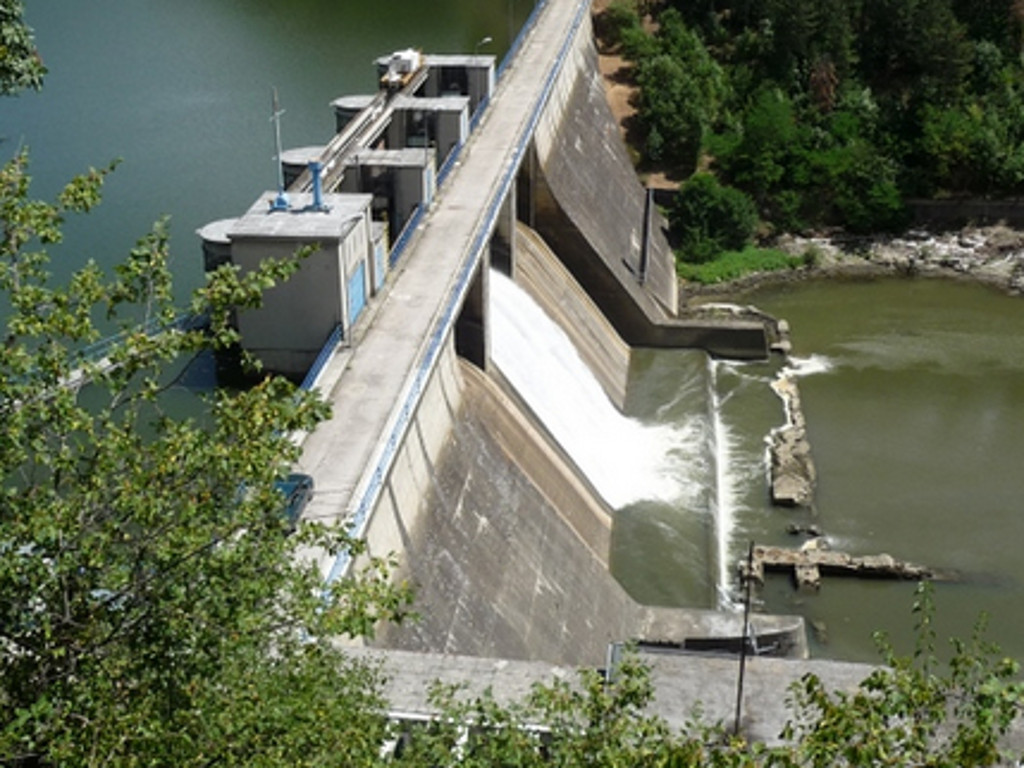
What happens to power plants when they leave the incentive system? Where do they sell the energy they produce? Do market prices enable sustainable operations without subsidies?
These are some of the questions addressed in the RES Serbia analysis.
Research by the Association of Renewable Energy Sources of Serbia shows that, after the expiration of feed-in tariffs, some projects ceased operation, while others survived, despite market challenges.
The analysis includes only power plants whose contracts with the guaranteed supplier have expired, while it does not include plants for which the contract was terminated at the request of the owner or whose companies are in the process of liquidation.
Kostic: Electricity prices very low
After the expiration of the feed-in tariffs, the solar power plant Solaris 1 (999 kW) from Kladovo continued to operate on the open market.
Illustration (Photo: Unsplash/Bill Mead)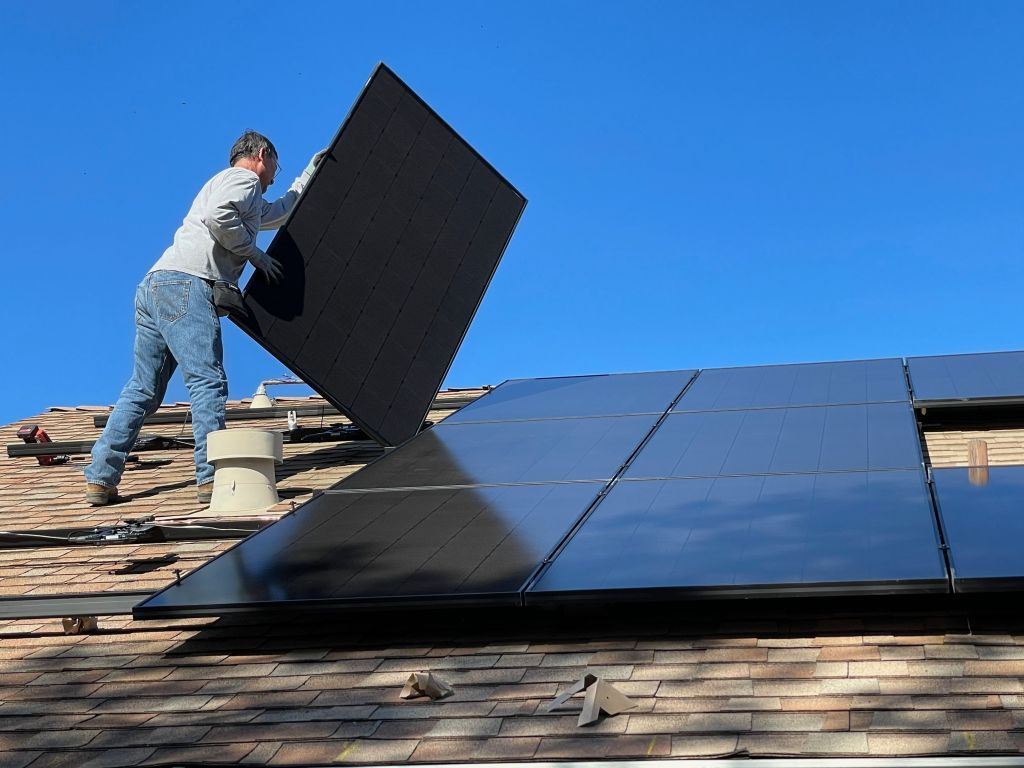
– We are no longer in the system of preferential tariffs, we sell energy at prices formed on the stock exchange – says Kostic.
The power plant, which was put into operation in 2013, was a pioneering venture in Serbia.
– The status of a privileged producer lasted 12 years and enabled the investment to pay off within seven to eight years – says Kostic.
He adds that no panel replacement or so-called repowering is planned, but that after ten years, some inverters were replaced in order to refresh the energy conversion.
Difficult market circumstances
Kostic says that market circumstances are not particularly favorable for RES producers, because electricity prices are currently very low.
As an additional challenge, he cites the introduction of the CBAM mechanism from January 1, 2026, which is why electricity from the Western Balkans is no longer attractive for export.
– The application of the CO2 tax makes it difficult to sell our energy abroad – Kostic points out.
He adds that battery storage will become an indispensable part of future projects because they enable optimization of electricity sales and increase the economic profitability of investments.
Incidentally, during the incentive period, Solaris 1 produced a total of 15.3 GWh of electricity.
Some small solar power plants did not survive
Unlike large projects, some small solar power plants did not continue operating after leaving the incentive system.
Ledinak Solar Dobri Do, a 30 kW power plant in Kursumlija, produced just under 500 MWh of energy in 12 years, but was shut down after the incentives.
Due to problems with inverters, the plant installed on the premises of the high school in Varvarin, which was among the first to install a solar power plant, is also not working.
Their owners say that production would be higher if the infrastructure were more reliable, processes simpler, and power outages were less frequent in underdeveloped parts of Serbia.
Mini HPPs “vulnerable” on the market
Mini hydropower plants played a significant role in the early stages of the energy transition, but the loss of their privileged status has shown how vulnerable they are on the market.
Some, such as Radosicska Reka or Bovan, exited the incentive system back in 2022.
The largest plants in this group, Medjuvrsje in Cacak (7 MW) and Ovcar banja in Cacak (4.5 MW), which operate as part of the Drina-Lim hydroelectric power plants, had their privileged producer status expire in January this year.
No new connections for RES power plants above 400 kW
The experience of power plants after the expiration of feed-in tariffs shows that small producers have difficulty surviving without system support. While some projects continue to operate and seek new business models, some pioneers have been shut down.
An additional problem for producers is that, in addition to standard technical documentation, new permits and urban planning conditions are now required. At the same time, the issuance of new connection conditions for power plants that use renewable energy sources and have a capacity greater than 400 kW has been temporarily suspended.
Elektrodistribucija Srbije states that the number of connection requests has currently exceeded the energy needs at the state level, so a new analysis of the adequacy of production and consumption is awaited.
With legislative amendments in 2021, Serbia replaced the feed-in tariff system with a model of auctions and market premiums.
However, the last power plants that gained privileged producer status under the old system will continue to use incentives for several more years.
Companies:
 Elektroprivreda Srbije ad Beograd
 Obnovljivi izvori energije Srbije
 Green Balancing Group d.o.o. Beograd
Tags:
Elektroprivreda Srbije
EPS
RES
Renewable Energy Sources of Serbia Association
Regulation on Feed in Tariffs
MT Kompex
Green Balancing Group
Miloš Kostić
electricity
production
power plants
Comments
Your comment
Naš izbor


Most Important News
Full information is available only to commercial users-subscribers and it is necessary to log in.
Pratite na našem portalu vesti, tendere, investicione projekte, grantove i pravnu regulativu.
Registracija na eKapiji vam omogućava pristup potpunim informacijama i dnevnom biltenu
Naš dnevni ekonomski bilten će stizati na vašu mejl adresu krajem svakog radnog dana. Bilteni su personalizovani prema interesovanjima svakog korisnika zasebno,
uz konsultacije sa našim ekspertima.