


 Izdanje Srbija
 Serbische Ausgabe
 Izdanje BiH
 Izdanje Crna Gora


 News
News


The trucks are waiting, there aren't enough drivers, and new EU rules further complicate transportation - How does the region respond to challenges?
Source: eKapija
 Wednesday, 20.05.2026.
23:57
Wednesday, 20.05.2026.
23:57
Wednesday, 20.05.2026.
23:57
 Comments


Illustration (Photo: Shutterstock/Michaelvbg)
Transport companies from Serbia, Bosnia and Herzegovina and Montenegro warn that additional restrictions could slow down the flow of goods, increase logistics costs and further weaken the competitiveness of domestic carriers on the EU market, at a time when the sector has been struggling with labor shortages and operational delays at the borders for years.
The representatives of business and professional associations are therefore looking for urgent interim solutions, but also long-term different treatment of professional drivers in international transport, in order to preserve the stability of the supply chains in the region.
SERBIA AND NEW EU RULES FOR DRIVERS
The strict application of the 90/180 day stay rule in the Schengen zone and the announced introduction of the Entry/Exit System (EES) represent one of the biggest challenges for the transport sector in Serbia, warns Milica Dubljević, secretary of the Traffic Association of the Serbian Chamber of Commerce.
According to her, companies from Serbia and the Western Balkan region are already part of the European logistics system and operate in accordance with European rules, but the new restrictions seriously affect their work, the flow of goods and competitiveness.
- Professional drivers have no intention of becoming migrants, as they are perceived in the EU. If they wanted to move and work in EU member states, they could do so relatively easily due to the lack of drivers. Instead, they remain employed in local companies and return to Serbia and the region - Dubljević points out.
She adds that domestic carriers are largely compliant with European regulations, as well as that all professional drivers have CPC or "Code 95" certificates, while competent institutions keep up-to-date digital records of licensed carriers, vehicles and drivers.
According to her, the restrictions on the mobility of drivers have a direct effect on the entire economy, since most of Serbia`s trade with the EU is carried out by road transport.
- These disruptions have multiple consequences: slowing down the flow of goods, increasing logistics costs, disruptions in "just-in-time" supply chains, reducing the predictability of deliveries and, indirectly, a drop in the competitiveness of carriers from the region - she says.
She reminds that protests and blockades at border crossings at the beginning of the year showed a high level of pressure in the sector, which is why the state, together with representatives of the economy and transport companies, intensified communication with the European Commission and EU member states.
As she explains, the European Commission has already formed a technical working group that considers the implementation of the EES system and the 90/180 day rule.
One of the possible transitional solutions, according to her, are long-term visas for professional drivers that would not require a change of residence or relocation of transport companies to EU countries.
- As an urgent measure, it is necessary to postpone the application of the entry/exit system (EES) for international transport until a permanent solution is found - Dubljević emphasizes.
She adds that the European Commission, through the new Visa Policy Strategy, is already considering the possibility of special visas for professional drivers and other highly mobile professions, which would enable a stay of more than 90 days in a 180-day period, but warns that it is a long-term process.
Serbia lacks about 12,000 professional drivers
In addition to regulatory issues, the sector is already facing a serious labor shortage.
According to Dubljević, there are currently around 40,000 licensed professional drivers in international transport and more than 8,400 licensed carriers in Serbia, but estimates show that there is already a shortage of around 12,000 drivers.
With the full implementation of the electronic control of the 90/180 rule, the deficit of professional drivers will increase further, bearing in mind that the available capacity of each driver is limited to approximately 50% of the required volume of engagement - she warns.
According to her, training, retraining and digitization can alleviate part of the problem, but they do not represent a permanent solution.
The only long-term systemic measure that can ensure the stability and predictability of traffic is the establishment of a specific treatment for professional drivers in international transport, which would respect the nature of their activity and in practice exempt them from the rigid application of the 90/180 day rule - Dubljević says.
The biggest bottleneck is still the EU border
Speaking about the digitalization of transport and customs procedures, such as the eCMR system and electronic data exchange, Dubljević assesses that the region is gradually following European standards, but that border crossings with the EU remain the key problem.
- While within the region, the waiting time for means of transport is measured in the range of a few minutes to a maximum of one hour, at the borders between the Western Balkans and the European Union, waiting times are still measured in hours, and in some cases significantly longer - she states.
As she adds, the biggest gap in relation to EU standards is not in the level of digitization itself, but in its real effect on accelerating the flow of goods at the external borders of the European Union.
- Without adequate operational adjustment at the borders and a physical increase in the capacity of border crossings, the full effect of digitization in terms of speeding up the flow of goods remains limited - Dubljević concludes.
(Photo: s_oleg/shutterstock.com)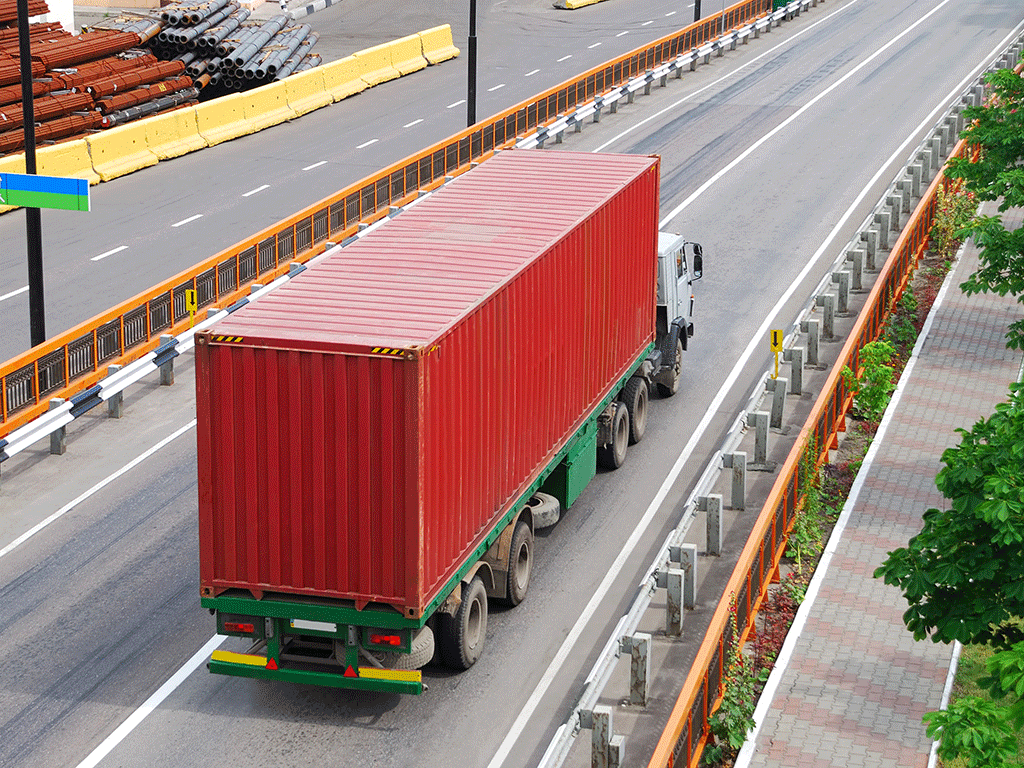
The Chamber of Commerce of Montenegro warns that the transport sector has been facing major challenges for a long time due to war conflicts in Ukraine and the Middle East. All these problems, as they stated, have a negative impact on cost growth and disruptions in commodity distribution chains.
- There are many factors that represent operational pressure and obstacles that limit business operations and the development of the transport sector, from the instability and rising prices of oil and other energy sources, the growth of all business costs, starting from the prices of spare parts and services to the costs of road tolls, limited opportunities to work on the EU market up to 14 days per month due to the application of rule 90/180, as well as various types of protectionism and non-tariff barriers. That is why the situation in the transport sector can be assessed as very challenging and unstable for long-term investment in the procurement of rolling stock, the improvement of business capacities and ultimately the very sustainability of this activity - PKCG said.
The EES system leads to congestion of passenger and cargo traffic
A special challenge is represented by regulatory changes at the European Union level, which directly affect labor mobility and the efficiency of international transport. As stated by the Chamber, the implementation of the new system for recording the stay of foreigners in the EU causes congestion of passenger and cargo traffic at almost all border crossings and in all types of traffic.
The consequences are already visible - from extended waiting times, through reduced flow of goods, to additional costs for transport companies. It is precisely for this reason that the application of the EES system between the EU and Great Britain has been partially postponed, with flexibility granted to member states until September 2026. In practice, this means that border services can temporarily relax or suspend biometric controls in situations where there is a threat of traffic collapse, especially during the summer tourist season.
The Chamber says that the air transport sector has expressed additional concern.
- Due to the limitations that the System represents in air traffic, ACI EUROPE (Airports International Council for Europe) made a strong appeal to the European Commission and member states regarding the introduction of the EES system in which it was stated that airports are not sufficiently prepared for the additional time required for the biometric registration (taking of fingerprints and face scanning) of passengers from non-EU countries and requested that the introduction of the system not be forced until it is ensured that all national border systems have been tested and are fully functional, in order to avoid massive crowds at airports - say the Chamber.
It was also emphasized that many countries did not hire enough border staff or provide enough space for self-check-in kiosks, which could lead to travelers spending hours in queues, and concerns were also expressed about the "Big Bang" strategy, i.e. the simultaneous introduction at all borders, suggesting that a longer period of adjustment is needed in order for the system to gradually become established.
The Chamber of Commerce of Montenegro has been dealing with this issue since 2024, from the very moment the problem arose. Through independent activities, but also in cooperation with chambers from the region, a number of initiatives were launched with the aim of recognizing and solving the challenge in time. Representatives of the Chamber participated in numerous meetings with key actors from the EU and competent state authorities, where the needs and proposals for overcoming this limitation were presented.
- In order to solve this problem, the procedure of the bilateral model was launched to enable a longer stay for the purpose of transportation. In this sense, the Republic of Croatia, in accordance with the conclusion of the Technical Committee for resolving the stay of drivers in the Schengen zone, whose work was attended by representatives of ministries, chambers of commerce, transport associations of the Balkans and the European Commission, has finalized the amendment of the Law on Foreigners. The law in the Parliament of the Republic of Croatia has been amended in such a way that it will be possible to issue visas for drivers from the Balkans so that they can work longer than the 90/180 rule. In the medium term, this interim solution will enable business with the EU to some extent for those carriers that have business arrangements with companies from the Republic of Croatia as a Schengen zone member country - said the Chamber.
As they point out, the ultimate solution to this problem is the accession of Montenegro, as an EU member, to the full Schengen system without visa restrictions.
- Until when will the work and business of transporters, that is, road transport, operate with significantly limited capacities, bearing in mind the import dependence of the Montenegrin economy. Accession to this system is expected as soon as possible, bearing in mind that Montenegro has harmonized its regulations with the EU in the transport sector as well - they add.
The problem is the deficit, but also the seniority structure of professional drivers
The Chamber points to the problem with the workforce in this sector, which is reflected both in the deficit of drivers and in the unfavorable age structure of employees.
- Business and development of the transport sector, in addition to adequate infrastructure, stimulating and predictable business environment, is based on human resources, because drivers in transport are a key factor for safety, efficiency and economy of business in the activity of transporting passengers and cargo. Difficult working conditions in the transport sector - due to inadequate infrastructure, fines, and the problem of detention at the borders, are not encouraging for a young man to decide to work as a driver. It is for these reasons that in the road transport sector, in addition to the huge deficit of drivers, the unfavorable age structure of employees is extremely pronounced, both at the level of the EU, the region and in Montenegro. According to the carrier`s estimates, for the management of the existing vehicle fleet without increasing the fleet, more than 20 percent of drivers are missing, which is why the available vehicles are parked and non-functional - the PKCG points out.
Bottlenecks that slow down the flow of goods are still present
When it comes to the digitization of transport and customs procedures, the Chamber states that, despite the application of eCMR, electronic announcements and increasingly intensive data exchange with EU systems, there are still significant operational bottlenecks that slow down the flow of goods and clearly indicate deviations from the standards of the single European market.
- The biggest problem in terms of operational "bottlenecks" is the slowness of cross-border traffic due to the lack of conditions at the terminals at the border crossings, and the lack of veterinary and phytosanitary inspectors. There are also frequent situations where there is a shortage of customs officers, which significantly causes delays in the delivery of goods and unplanned stops at border crossings. Slowing down the flow of goods is also influenced by the lack of fast lanes for transport, the slowness and lack of timeliness of the flow of goods, intensive and extensive control of vehicles at border crossings, the lack of support measures for carriers in order to reduce the carbon footprint and business efficiency - they say.
As they say, the Chamber of Commerce of Montenegro recognized the importance of introducing digital services and was actively involved in the process of introducing and implementing the eCMR system, and the sector itself was digitized in accordance with international and EU standards, where transport is mainly carried out.
- Businessmen through the Chamber of Commerce in the previous period initiated the improvement of infrastructural and personnel capacities of competent cross-border services, along with the necessity of simplifying procedures, which are also the criteria for closing the chapter in the process of accession of Montenegro to the European Union. In this sense, it is expected that in the process of joining the EU and fulfilling the criteria for the functioning of the single European market, the issues of the efficiency of cross-border transport will be improved by establishing a system that will represent an incentive and stimulating business operations in that area - concludes the PKCG.
(Photo: 101akarca/shutterstock.com)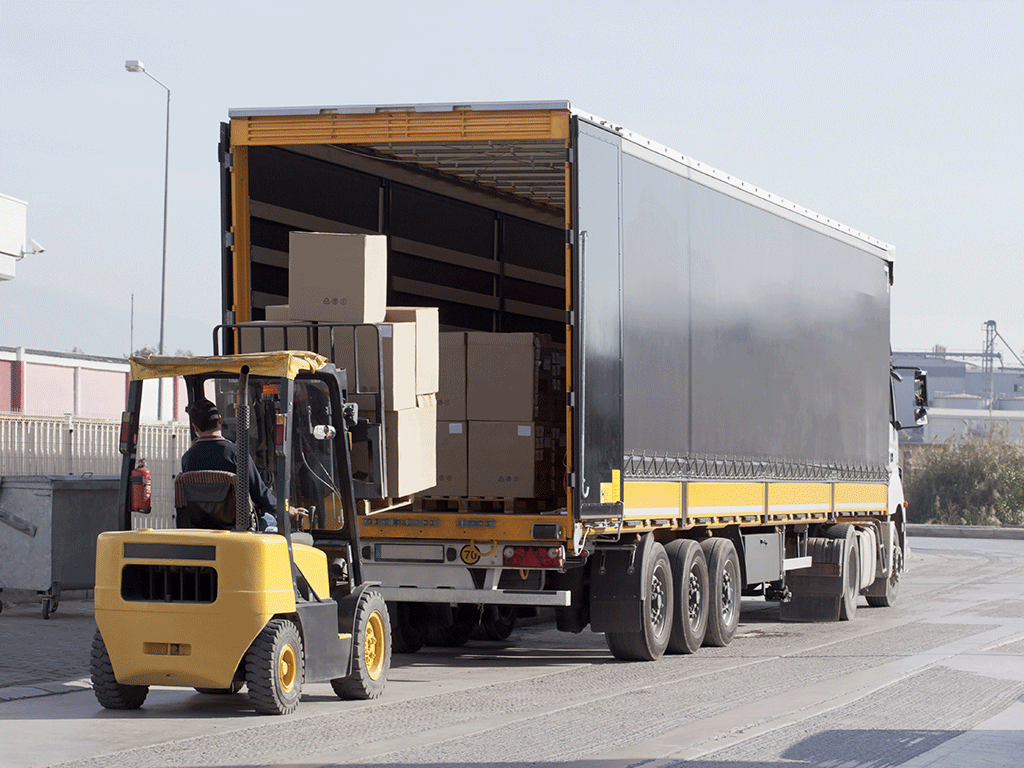
The transport sector in Bosnia and Herzegovina is facing increasingly pronounced operational challenges, Zijad Sinanović, Director of the Transport and Communications Sector of the Chamber of Foreign Trade/Foreign Trade of Bosnia and Herzegovina, tells eKapija.
- Due to the geographical position in relation to the EU countries with which we have the largest trade volume, our economy is almost entirely dependent on land transport, where the share of road transport is over 90%. There is no real alternative - says Sinanović.
He warns that although carriers are largely compliant with European regulations, the system faces increasing pressures affecting supply chains.
- International road transport and supply chains are being pushed to breaking point by a combination of infrastructure constraints and new procedures. However, if you want to solve this issue and the congestion at the borders, you must urgently redefine the number and status of border crossings, ensure the necessary infrastructure at new and improve the infrastructure at existing border approaches and customs terminals, which would create a basis for speeding up procedures and through the application of modern technologies and solutions, as well as significantly reduce the impact of the application of the Entry/Exit system and ETIAS on detention - Sinanović points out.
According to him, an additional problem is the fact that the new EU systems, such as EES and ETIAS, will probably further increase delays at border crossings, which have been a bottleneck in trade exchanges for years.
Driver shortages and 90/180 restrictions further complicate the system
Speaking about the labor market, Sinanović states that the lack of professional drivers has become a European problem that has strongly affected the region in recent years.
- The whole of Europe is facing a lack of professional drivers, and this is a problem that was first faced by the countries of Western Europe, and which then spread to other countries, and in the last few years, it has also affected our region. Without clear answers to the question - what is the cause of the reduced interest in this profession, this problem will become more and more pronounced, regardless of the individual attempts of individual states to attract drivers from other countries - he says.
In particular, he warns about the rule of 90/180 days of stay in the Schengen zone, which significantly complicates the organization of transport from BiH.
- Unlike the member states of the European Union, the states of the region not only face a lack of professional drivers, but also an additional problem that affects drivers in the region regarding the obligation to comply with the regulations on the limited time of stay in the territory of the European Union of 90 days in a period of 180 days. This limitation is a growing obstacle for the organization of transport operations, the functioning of supply chains and the preservation of commodity flows, and therefore the preservation of the achieved volume of trade between the region and the European Union. Carriers in the region can no longer even think of organizing a transport operation using a double crew (two drivers), which is a well-known model of transport organization that significantly reduces the time needed to deliver goods to the consignee - Sinanović says.
According to him, although it is not realistic to expect a permanent exemption of professional drivers from the 90/180 system, a solution can be sought in temporary models that would prevent disruptions in supply chains.
- Bearing in mind the system of functioning and the legislative procedure in the European Union, it is not realistic to expect the establishment of a permanent solution to this issue, on the basis of those related to the crews of ships, airplanes, etc., but also, there is no doubt that it is possible to reach temporary solutions that would prevent all economic and other damages that may arise by jeopardizing supply chains, which cannot function without professional driving staff. The region and the European Union would suffer those damages, which is why the European Commission is expected to be more involved in finding a way to overcome this issue and thus ensure the time needed to establish a systemic solution - emphasizes Sinanović.
Infrastructure as a key "bottleneck" of digitization
Although modern digital systems such as eCMR and electronic announcements are being introduced in the region, Sinanović believes that they are not sufficient by themselves without strengthening the physical infrastructure.
- Digitization of transport and customs procedures can speed up processes, but without appropriate infrastructure the effects remain limited - Sinanović states.
As he explains, the main problem is border crossings, their equipment and number, as well as insufficiently developed capacities of customs terminals.
- The road infrastructure and the condition of the infrastructure at border crossings and customs terminals, the status and number of border crossings greatly prevent the digitization of transport, customs and other procedures and in legal jargon represent "previous issues" that must be resolved - he points out.
As he says, the Chamber of Foreign Trade of Bosnia and Herzegovina has been insisting for years on the opening and improvement of border crossings with Croatia and the EU, including expanding the capacity of existing crossings and introducing new corridors for all types of goods.
- In the last few years, the priority of action of the Chamber of Foreign Trade of Bosnia and Herzegovina includes continuous activities aimed at accelerating the flow of goods and people at border crossings, as well as redefining the status of border crossings with the Republic of Croatia/EU, through opening, in addition to the existing two (Gradiška/Stara Gradiška and Bijača/Nova Sela) and additional border crossings for all types of goods (Donji Svilaj/Svilaj, Izačić/Ličko Petrovo Selo, Kamensko/Kamensko), as well as border crossings border crossings with mutual phytosanitary controls (Orašje/Županja and Ivanica/Gornji Brgat), but also improving the status of certain border crossings in accordance with the increase in mobility, economic and other activities (Novi Grad/Dvor, Hadzin Potok, etc.) - he notes.
Also, the Chamber, together with partners from the region, initiated initiatives towards the European Commission to resolve the issue of the 90/180 regime for professional drivers.
- One of the priorities since 2022 was the initiation of activities to solve the 90/180 issue for professional drivers, where the Chamber of Foreign Trade of Bosnia and Herzegovina, in joint action with the Chamber of Commerce of the Republic of Serbia, launched the initiative of the six chambers of the Western Balkans at the beginning of 2023, addressed to the European Commission, aware that it is important to find a solution to this issue, which would be the basis for the expected, and some already implemented, digitized procedures and border controls, and beyond it, they have full effect, meaning and improvement, which is not the case now. It is clear that the focus of the Chamber of Foreign Trade of Bosnia and Herzegovina on solving these issues remains without reducing the intensity of action, which we are obliged to do by the demands and needs of the business community in Bosnia and Herzegovina, whose interests we represent and represent in accordance with the role and position defined by the law - Sinanović concludes.
(Photo: Pixabay / blende12)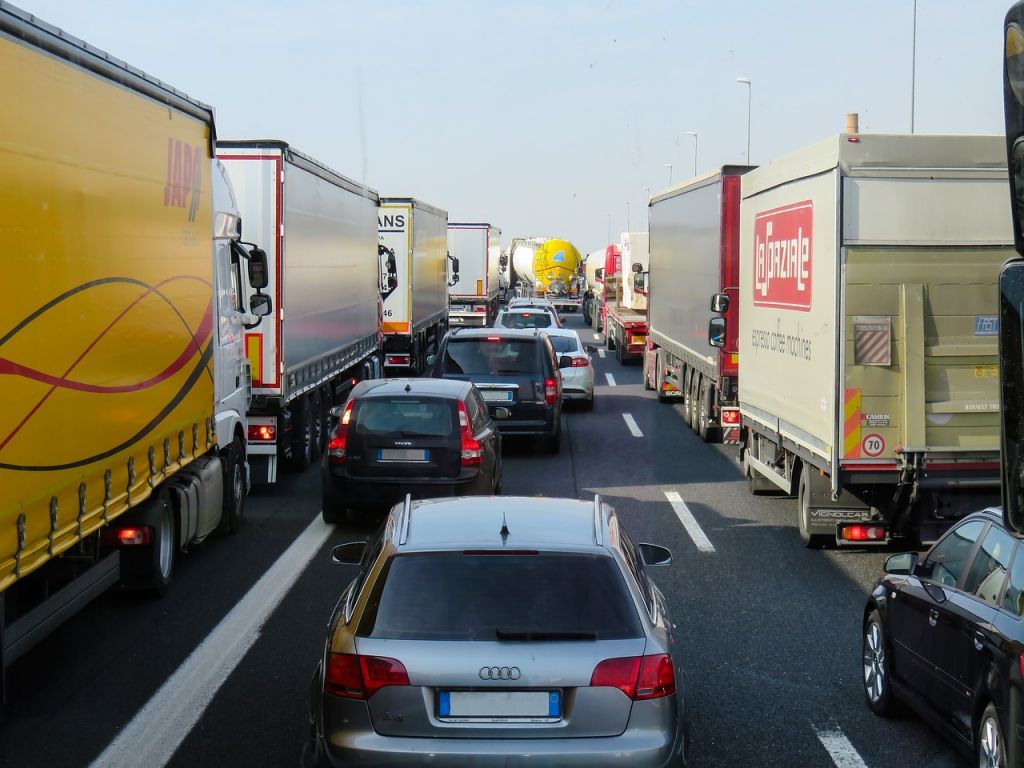
The transport sector in Republika Srpska faces multi-year challenges that are further deepened by the introduction of new European procedures, including the Entry/Exit System (EES), as well as chronic delays at the borders and the lack of professional drivers. In such circumstances, as assessed by Goran Račić, the president of the Chamber of Commerce of the Republic of Srpska, the pressure on carriers increases, while at the same time business costs increase and competitiveness on the European Union market decreases.
Račić warns that long-term delays at the borders are still one of the key problems of the transport sector, and the new European Union rules further complicate the situation.
- The situation in the transport sector in Bosnia and Herzegovina, including the Republika Srpska, continues to be burdened by long-term delays at the borders, which directly increases costs and reduces the competitiveness of domestic carriers - Račić says.
He adds that adapting to new EU procedures, including the EES, requires an additional level of technical and administrative readiness, which represents a challenge for the entire sector.
- The sector is already facing a shortage of drivers and the growth of operating costs, and the new rules further complicate operations - he points out.
As he states, the Republika Srpska Chamber of Commerce has already proposed a regional approach to solving the problem.
- In such circumstances, stronger institutional support and better coordination with the competent EU authorities are necessary, in order to ensure a more efficient flow of goods. The Chamber of Commerce sent an initiative to the Council of Ministers to, through the joint regional approach of Bosnia and Herzegovina, Serbia, North Macedonia and Montenegro, launch a joint request to the European Commission and neighboring countries, in order to facilitate border procedures, with the view that an integrated regional approach strengthens the negotiating position and increases the chances of achieving better solutions. We will continue to strongly and argumentatively represent the interests of domestic carriers in front of all relevant institutions, with concrete initiatives and proposed measures that should lead to a systemic solution to these problems and improvement of the overall business environment - says our interlocutor.
The protests indicate the gravity of the challenge
Speaking about the roadblocks and protests of drivers in the region, Račić points out that they clearly show the depth of the problems in the sector.
- Protests and blockades at the borders clearly indicate the seriousness of the challenges that the transport sector is facing - he states.
According to him, the application of the EES system and the 90/180 day stay rule additionally limits the availability of drivers and reduces the operational efficiency of transport companies.
He adds that, without institutional dialogue and adaptation of the rules to the specifics of the transport industry, pressures and dissatisfaction in the sector could increase further.
Driver shortage becomes a structural problem
One of the key challenges remains the chronic lack of professional drivers and logistics staff, which, as Račić assesses, has grown into a structural problem at the level of the whole of Europe.
- Estimates show a deficit of several hundreds of thousands of drivers, while up to 70% of transport companies are facing a serious lack of manpower. On the domestic market, the situation is further complicated by the departure of the workforce, which directly affects the reduction of capacity and makes it difficult to organize transport. In practice, this means that some companies are not able to realize all contracted jobs in full - he says.
He cites training and retraining, as well as improving working conditions and income, as measures that currently yield certain results, but emphasizes that without systemic solutions, the long-term effects remain limited.
- It is crucial to create the conditions for retaining the existing staff on the domestic market - he says.
Digitization without infrastructure does not give full effect
Although digital solutions in customs and transport procedures are being introduced in the region, Račić warns that progress is still uneven.
- One of the key bottlenecks is the still significant use of paper documentation, while the European Union is rapidly moving to completely digital systems. An additional problem is the insufficient interconnection and coordination of the system, which causes delays, especially at border crossings. Bosnia and Herzegovina, Serbia, North Macedonia and Montenegro should move towards the establishment of integrated border crossings that would simplify procedures and reduce delays at the borders, with the belief that a joint and united regional performance in negotiations is more effective and stronger than when each country acts individually with its own initiatives - he states.
A special problem, as he points out, is the insufficient connection of the system between the countries of the region and the European Union, which causes delays at border crossings.
While the EU is moving towards complete electronic exchange of data in real time, we are still in the phase where both paper and digital work in parallel - concludes Račić.
According to him, the acceleration of digitization, better connectivity of systems and additional harmonization of procedures are key prerequisites for more efficient transport and more stable supply chains in the region.

Click here to see the entire Special Edition Newsletter
"THE ENGINE DRIVING THE ECONOMY - Fast, Smart, Sustainable"
read more
Companies:
 Privredna komora Srbije
 Privredna komora Crne Gore
 Privredna komora RS
 Vanjskotrgovinska/Spoljnotrgovinska komora BiH Sarajevo
Tags:
Traffic Association Serbian Chamber of Commerce
Montenegrin Chamber of Commerce
PKCG
ACI EUROPE
European Commission
Chamber of Commerce of the Republic of Srpska
Foreign Trade Chamber of BiH
Goran Račić
Zijad Sinanović
Milica Dubljević
EES system
special edition newsletter
Transport and logistics
Engine that drives the economy Fast
smart
sustainable
Comments
Your comment
Naš izbor


Most Important News
Full information is available only to commercial users-subscribers and it is necessary to log in.
Pratite na našem portalu vesti, tendere, investicione projekte, grantove i pravnu regulativu.
Registracija na eKapiji vam omogućava pristup potpunim informacijama i dnevnom biltenu
Naš dnevni ekonomski bilten će stizati na vašu mejl adresu krajem svakog radnog dana. Bilteni su personalizovani prema interesovanjima svakog korisnika zasebno,
uz konsultacije sa našim ekspertima.