


 Izdanje Srbija
 Serbische Ausgabe
 Izdanje BiH
 Izdanje Crna Gora


 News
News


EU introducing cap on cash purchases – Will Serbia also introduce a limit of EUR 10,000?

 Comments


Illustration (Photo: Pressmaster/shutterstock.com)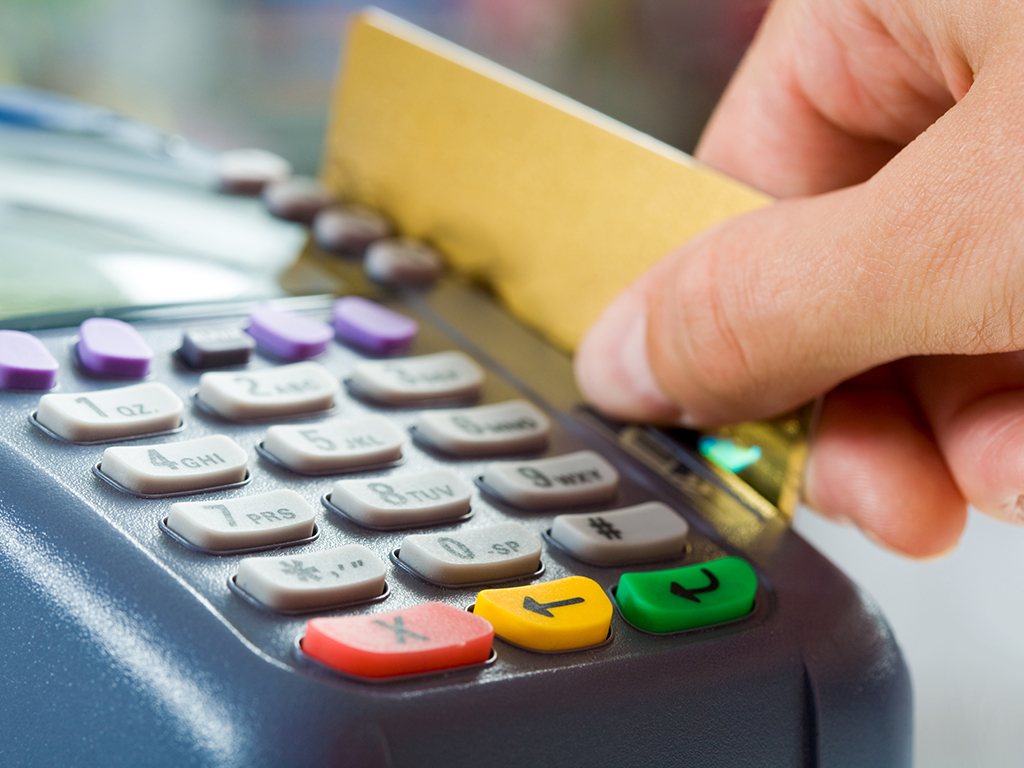
This decision was made in 2024 as part of a package of measures to combat money laundering and is part of Regulation 2024/1624.
The limit of EUR 10,000 applies to payments for goods and services when at least one party to the transaction is a legal entity, i.e. a firm or company.
In simpler terms, EU citizens will not be able to pay for, for example, a car worth EUR 50,000 in cash if they buy it in a showroom.
However, this provision does not apply to transactions between individuals. This means that buying, for example, a used car from another citizen will still be possible for amounts higher than EUR 10,000, depending on the rules of the specific country.
The regulation leaves the possibility for member states to introduce lower limits. Such limits already exist in some countries, such as Italy.
There has been frequent public speculation that the EU is trying to eliminate cash in this way, however, economic experts point out that with this measure the EU is not banning the use of cash, but rather limiting it for larger amounts. Citizens and companies will still be able to use cash for smaller transactions.
The main goal of this decision is to combat money laundering and terrorist financing, as well as reduce anonymous large transactions.
According to Euronews, by introducing limits, the EU wants to redirect more transactions to traceable channels, thereby reducing the scope for abuse. The European Commission believes that this will harmonize the rules and close “loopholes” used by criminal groups.
Money laundering is a global problem. United Nations estimates show that between two and five percent of global GDP, or up to 1.87 trillion euros, is laundered each year.
A 2023 report showed that almost 70% of criminal networks in the EU use money laundering to finance their activities and hide their assets, with the majority using cash.
The European Commission points out that large amounts of cash are “difficult, if not impossible, to link to a specific criminal act.”
The package of measures is due to be implemented in July 2027. It will also establish a new European anti-money laundering body based in Frankfurt, which will then be given full powers.
How will the restriction affect Serbia?
Vladimir Vasic, CEO and founder of BBS Capital Investment Group, explains that restrictions on cash transactions, such as the EUR 10,000 threshold promoted by the European Union, are part of a broader strategy to combat money laundering and bring funds into legal channels.
– The Anti-Money Laundering Law has been in place for a long time and the EU is trying to put most of the money into legal channels, that is, to prevent the illegal injection of money into financial flows – says Vasic.
As he explains, the key mechanism is controls at the places where money enters the system - banks, exchange offices and insurance companies.
According to him, Serbia already has a similar regulatory framework.
Tags:
BBS Capital Investment Group
United Nations
European Central Bank
ECB
Vladimir Vasić
limiting cash payments
money laundering
anti money laundering measures
lowering cashless transaction limit
Comments
Your comment
Naš izbor


Most Important News
Full information is available only to commercial users-subscribers and it is necessary to log in.
Pratite na našem portalu vesti, tendere, investicione projekte, grantove i pravnu regulativu.
Registracija na eKapiji vam omogućava pristup potpunim informacijama i dnevnom biltenu
Naš dnevni ekonomski bilten će stizati na vašu mejl adresu krajem svakog radnog dana. Bilteni su personalizovani prema interesovanjima svakog korisnika zasebno,
uz konsultacije sa našim ekspertima.