


 Izdanje Srbija
 Serbische Ausgabe
 Izdanje BiH
 Izdanje Crna Gora


 News
News


Resilient demand and low vacancy continue to drive a shift toward quality across SEE office markets – Prime office rent levels across the region maintained an upward trajectory
Source: PR
 Thursday, 30.04.2026.
11:37
Thursday, 30.04.2026.
11:37
Thursday, 30.04.2026.
11:37
 Comments


(Photo: Unsplash / Copernico)
This is indicated by the latest data from CBRE, a leading global real estate advisory and investment services company.
According to Q1 2026 figures, while development pipelines differ by market, the dominant pattern across the region remains resilient, with occupiers increasingly prioritizing specification, location and ESG credentials in their leasing decisions.
The result is a widening performance gap between prime, future proof assets and older, less competitive office stock.
Persistently low vacancy rates across SEE region
Vacancy rates across SEE remain low by historical standards, reflecting the region’s appeal to occupiers despite an uncertain macroeconomic environment.
(Photo: Unsplash/TheStandingDesk)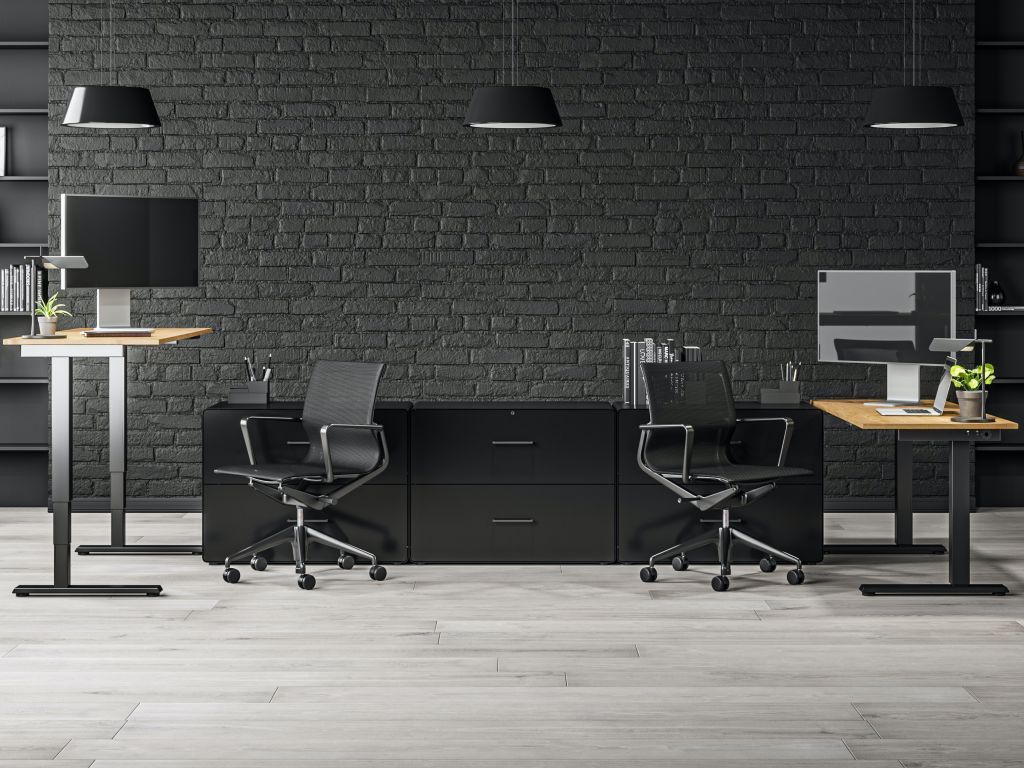
In Sofia, although overall vacancy remains higher at just under 12%, it continues to trend downward, with several key business districts already recording unoccupied office space below 10%, highlighting a clear divergence between prime and non‑prime assets.
Across the region, limited availability of modern, well‑located buildings continues to constrain occupier choice and support landlord‑favourable conditions.
Ljubljana: New supply absorbed with market confidence
The most active capital in the region since the start of 2026 has been Ljubljana, where the market has absorbed significant waves of new office supply recently without visible pressure on vacancy rates, indicating strong demand.
Two major developments delivered in Q1 2026 added a substantial volume of modern space – around 46,000 sq.m, yet vacancy remained low at 3%, putting additional upward pressure on rental levels. This performance underscores the depth and stability of occupier demand in the Slovenian capital and confirms that well‑designed, sustainable buildings can be successfully absorbed even during periods of elevated completions, and also reinforcing the case for further, carefully targeted development.
– Across the Adriatic markets, we continue to see strong occupier confidence supported by strong demand fundamentals. Ljubljana’s ability to absorb significant new supply without market pressure highlights the strength of demand for modern, sustainable office space and the long‑term resilience of these markets – commented Ivan Stojić, Head of Leasing Office - Adriatic Region, CBRE SEE.
Expected deliveries in the coming period
The development outlook across SEE remains active.
(Photo: Shutterstock.com/insta_photos)
More than 180,000 sq. m of office space is currently being developed in the Serbian capital, due for completion in the following three years.
Zagreb has a robust pipeline, predominantly concentrated in the CBD, with a noticeable increase in deliveries forecast through 2026 and 2027.
In Croatian capital around 30,600 sq. m of new office space is expected to be delivered by the end of 2026, and slightly more in 2027.
– This new wave of supply is expected to support relocations and attract larger international occupiers to Zagreb. However, with vacancy remaining historically low and development costs elevated, both developers and tenants continue to face pressure on rental levels and fit out costs. As new space is delivered, the market is likely to see upward movement in both rents and vacancy, leading toward a more balanced leasing environment – commented Edmund Krznarić, Head of Leasing Office - Croatia, CBRE SEE.
Ljubljana is set for continued expansion over the next two years, supported by several mid to large-scale, developments.
(Photo: Shutterstock.com/Dnipro Assets)
Sofia maintains one of the most substantial pipelines in the region, with about 150,000 sq. m of new office space expected by the end of 2026 and additional volumes under construction.
However, most of the upcoming supply will be concentrated outside the CBD due to limited land availability in central areas.
However, new supply is being delivered gradually, reducing the risk of oversupply in prime segments.
This measured pace of development remains broadly aligned with occupier demand, supporting market stability and rental performance across key locations.
Prime rents under continued upward pressure
Prime office rents across South‑Eastern Europe continue to trend upward, supported by a combination of limited supply and sustained demand for best‑in‑class assets.
(Photo: Unsplash/Dane Deaner)
Prime rental levels currently stand at €20.5 per sq. m in Ljubljana, €20.0 in Sofia, €18.5 in Belgrade and €18.0 in Zagreb, with further increases expected, particularly for centrally located buildings that meet modern occupier and ESG requirements.
While secondary assets are also seeing rental growth, increases remain more modest, underscoring a widening performance gap between prime and non‑prime stock.
Overall, this divergence confirms that quality has become the decisive driver of rental performance across SEE office markets.
Sustainability as a market imperative
What began as a clear preference has now evolved into a fundamental structural shift across SEE office markets, with the move toward quality firmly embedded in occupier decision‑making.
(Photo: LI CHAOSHU/shutterstock.com)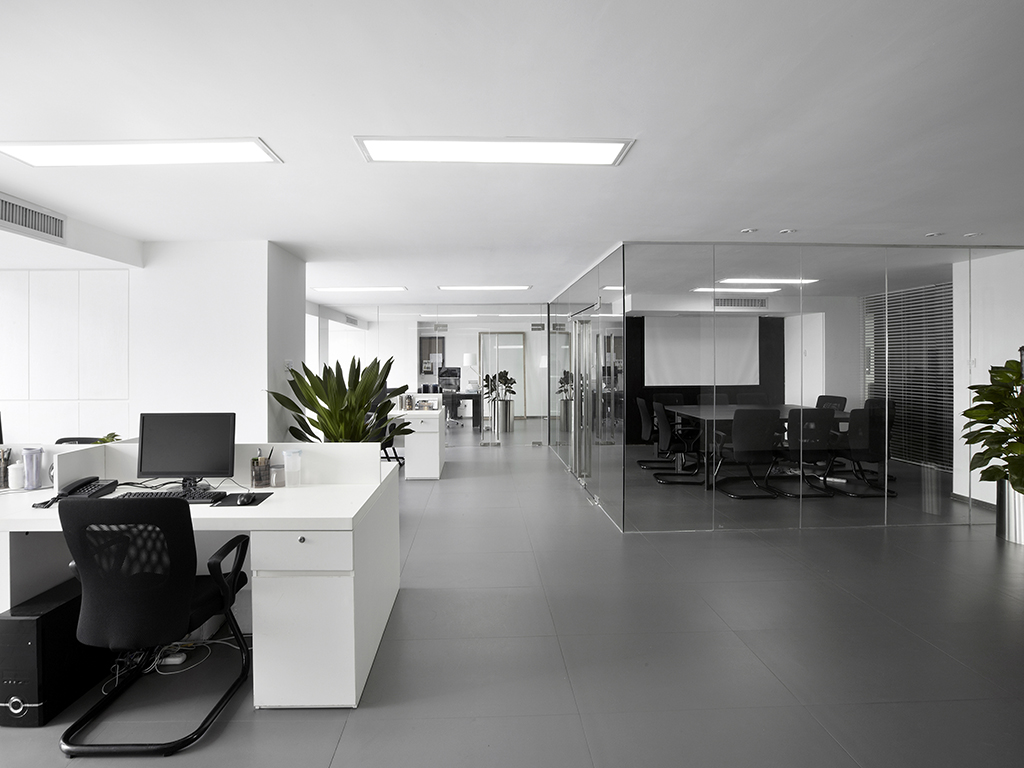
Across all markets, occupiers are placing increasing emphasis on certified, energy‑efficient buildings, flexible layouts that support hybrid working models, and locations offering strong connectivity alongside a rich mix of employee amenities.
As a result, demand continues to polarize. Older buildings that fall below modern technical and sustainability standards are facing rising vacancy and leasing pressure, while Class A, sustainable assets consistently outperform, achieving higher occupancy levels and stronger rental growth.
– Across SEE, the shift toward higher‑quality office space is firmly shaping market dynamics. For example, in Sofia occupiers are upgrading from Class B to Class A buildings, supporting rental growth and accelerating the obsolescence of outdated stock. Sustainability and building performance are now core drivers of long‑term competitiveness – said Hristo Karakostov, Head of Leasing Office - Bulgaria, CBRE SEE.
Leasing patterns signal market maturity
Beyond vacancy and rental dynamics, a number of structural trends continue to shape office markets across the region.
Leasing activity remains dominated by renewals and right‑sizing, particularly in more mature markets, reflecting a cautious and efficiency‑driven approach by occupiers.
At the same time, expansion is increasingly selective, led mainly by corporate, technology and professional services tenants. The CBD continues to anchor leasing demand, although well‑connected decentralized hubs are gaining traction as occupiers seek greater flexibility and value.
This shift is further reinforced by the growing adoption of flexible and hybrid workspace solutions, most notably in larger markets such as Belgrade and Sofia.
Taken together, these dynamics point to progressively more mature, occupier‑led office markets across South‑Eastern Europe.
For more information about CBRE Group, Inc. visit the website at www.cbre.rs.
Companies:
 CBRE d.o.o. Beograd
Tags:
CBRE
Leasing Office Adriatic Region CBRE SEE
Leasing Office Croatia CBRE SEEE
Leasing Office Bulgaria CBRE SEE
ESG standards
Southeast Europe
SEE region
Ivan Stojić
Edmund Krznarić
Hristo Karakostov
offices
lease
Comments
Your comment
Most Important News
Full information is available only to commercial users-subscribers and it is necessary to log in.
Pratite na našem portalu vesti, tendere, investicione projekte, grantove i pravnu regulativu.
Registracija na eKapiji vam omogućava pristup potpunim informacijama i dnevnom biltenu
Naš dnevni ekonomski bilten će stizati na vašu mejl adresu krajem svakog radnog dana. Bilteni su personalizovani prema interesovanjima svakog korisnika zasebno,
uz konsultacije sa našim ekspertima.