


 Izdanje Srbija
 Serbische Ausgabe
 Izdanje BiH
 Izdanje Crna Gora


 News
News


NBS keeps key policy rate at 5.75%
Source: eKapija
 Monday, 13.04.2026.
10:07
Monday, 13.04.2026.
10:07
Monday, 13.04.2026.
10:07
 Comments


The NBS building in Belgrade (Photo: ColorMaker/shutterstock.com)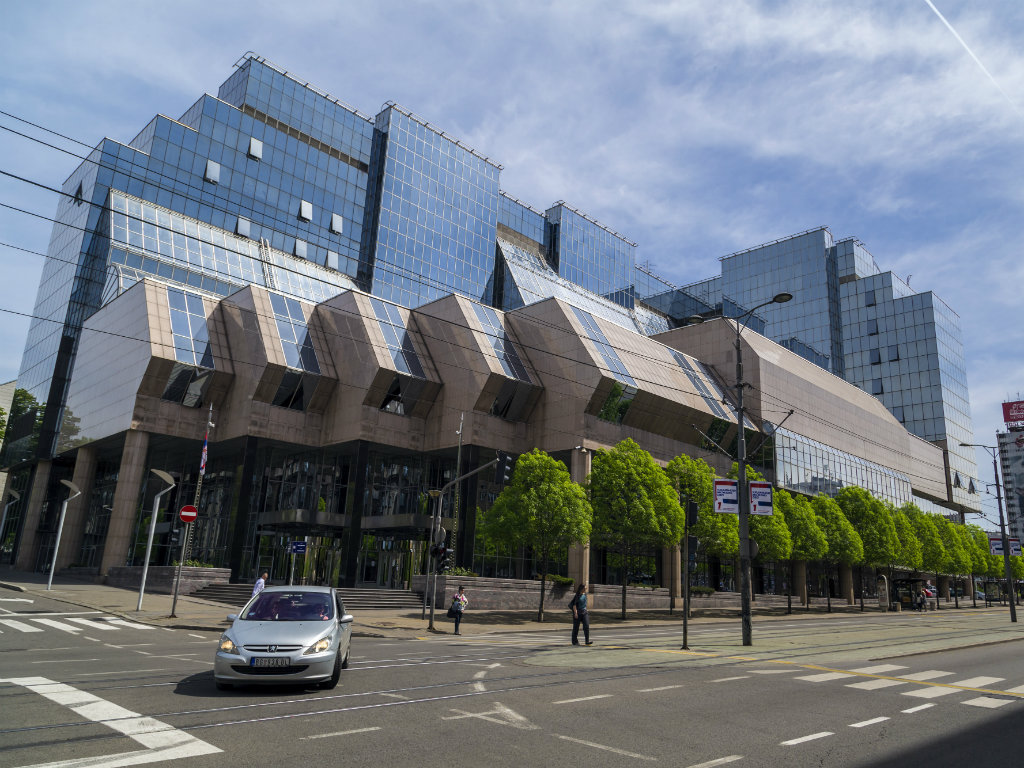
When making the decision, the Executive Board was mainly guided by actual and expected inflation movements, as well as risks from the international environment which could impact inflation trajectory. At the start of the year y-o-y inflation continued to move below the target midpoint, measuring 2.5% in February. The prices of food and non-alcoholic beverages continued to post a y-o-y fall, which equaled 0.7% in February. This was largely a result of the implementation of the Decree on Special Conditions for Trade in Certain Goods, announced the Cabinet of Governor of the National Bank of Serbia.
The February projection assumed that trade margins would not return to their pre-Decree levels thanks to the adoption of systemic laws aiming to prevent unfair trading practices, but that inflation would move around 4% from September this year due to the low base from 2025 resulting from the implementation of the Decree. The projection also assumed no major rise in global prices of oil, other energy products and primary commodities. Flaring geopolitical tensions and the outbreak of the Middle East conflict have, however, given a strong upward push to oil prices in the past month and a half, reflecting on other energy prices as well. Given that Serbia is a net importer of energy, oil price growth will lead to higher petroleum product prices at home, but the effects on headline inflation will depend on the duration and intensity of the conflict.
Against such background, the government has already taken measures to limit the rise in petroleum product prices in the domestic market – it has banned the export of petroleum products and reduced excise duties on fuel, which should help contain second-round effects on other prices and thereby prevent a more pronounced build-up of inflationary pressures. The NBS continues to pursue a cautious monetary policy, while maintaining relative stability of the exchange rate. Should it assess that the increase in global oil prices is generating more pronounced second-round effects on other prices via inflation expectations, the NBS will respond using all available instruments.
As regards economic activity, following the challenges at the beginning of the year – primarily in the petroleum products manufacturing and chemical industry – conditions improved in February, largely owing to the services sector, as well as the restarting of production at the Pančevo Oil Refinery in late January. A positive contribution to GDP growth is expected from consumption and fixed investment, with investment projects under the “Leap into the Future – Serbia Expo 2027” program playing a significant role. In the previous year, credit growth induced by favorable terms of borrowing acted as a strong tailwind to economic growth. Similar trends extended into 2026, in view of the lending acceleration to 16.4% y-o-y in February.
The next rate-setting meeting is scheduled for May 7, 2026.


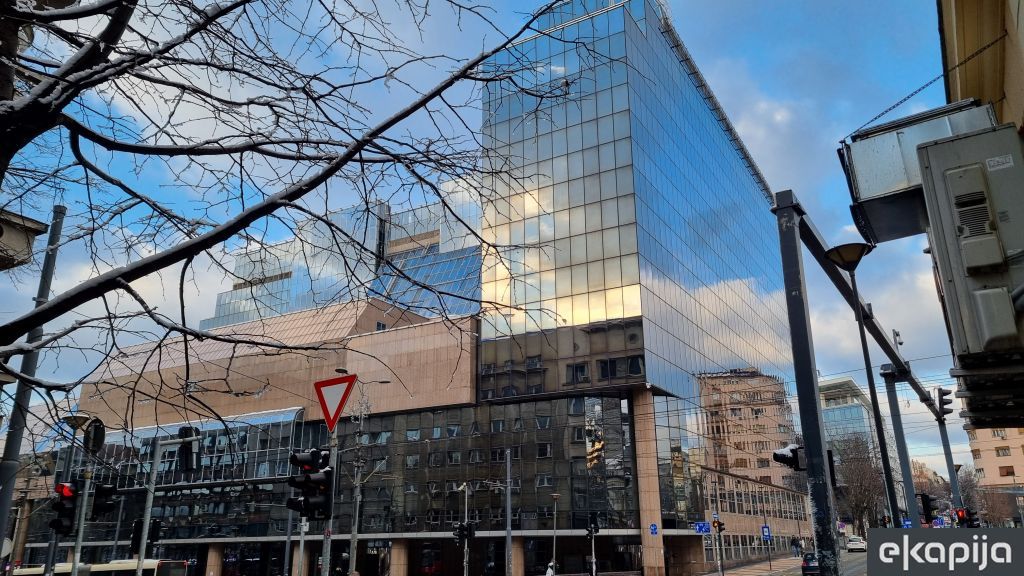
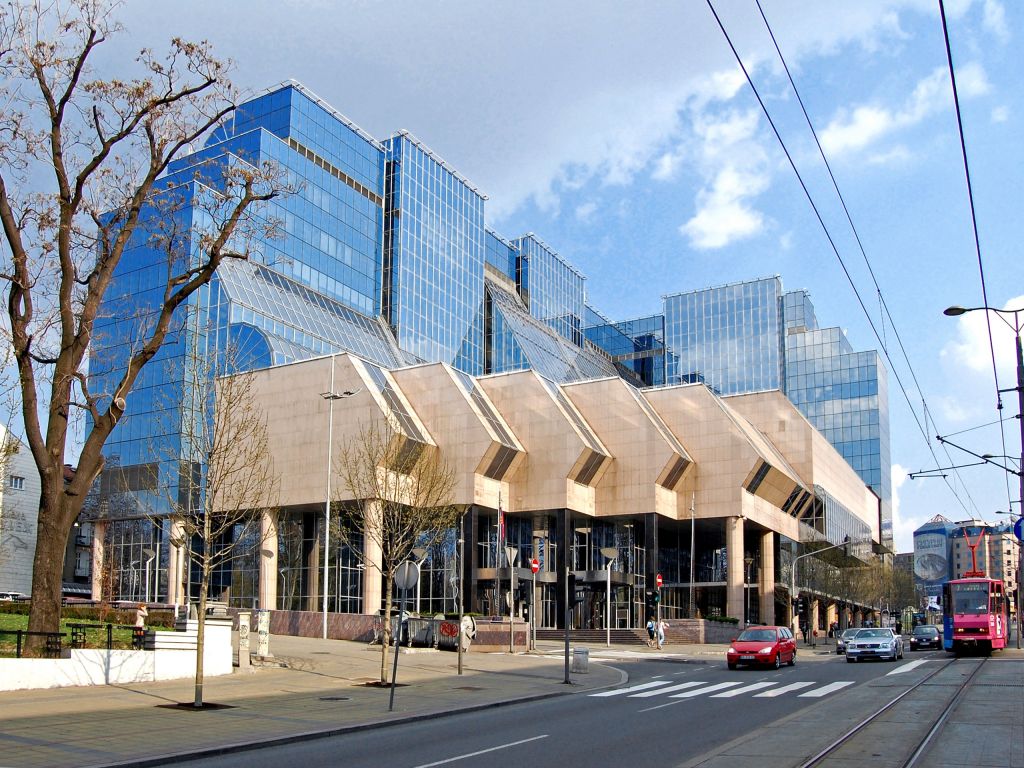
Fotografije:


Companies:
 Narodna banka Srbije Beograd
Comments
Your comment
Naš izbor

Most Important News
Full information is available only to commercial users-subscribers and it is necessary to log in.
Pratite na našem portalu vesti, tendere, investicione projekte, grantove i pravnu regulativu.
Registracija na eKapiji vam omogućava pristup potpunim informacijama i dnevnom biltenu
Naš dnevni ekonomski bilten će stizati na vašu mejl adresu krajem svakog radnog dana. Bilteni su personalizovani prema interesovanjima svakog korisnika zasebno,
uz konsultacije sa našim ekspertima.