


 Izdanje Srbija
 Serbische Ausgabe
 Izdanje BiH
 Izdanje Crna Gora


 News
News


Tabakovic: Delhaize took EUR 130 million out of Serbia without tax, Tax Administration informed
Source: Beta
 Thursday, 19.02.2026.
15:21
Thursday, 19.02.2026.
15:21
Thursday, 19.02.2026.
15:21
 Comments


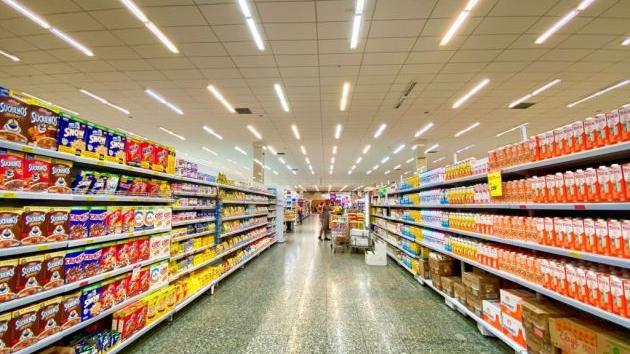
Illustration (Photo: ProRec studio)
– I don’t know if they paid tax, we informed the Tax Administration about it at the time, but I don’t know if they did an audit – said Tabakovic, answering a reporter’s question whether tax had been paid on that amount.
She added that the lawsuit filed by Delhaize in the US against Serbia for limiting margins, citing discrimination and non-compliance with the investment agreement, was “out of order” because they had had all the conditions to withdraw profits regularly.
– Tomorrow, someone could sue the Government, or rather the state of Serbia, when they lose on a jackpot (gambling machine), or in a casino, because according to the law on games of chance, there are institutions that deal with this. I take their lawsuit about as seriously – said Tabakovic.
She emphasized that she expected that the arbitration with the company would end in favor of Serbia and pointed out that it was not part of the Serbian judiciary.
– I am saying this from the experience of the NBS, which has had several disputes, so the verdict was obtained three times, and someone else at a higher level overturned it with an explanation that I will not comment on – Tabakovic stated.
She said that she did not expect prices to increase when the Regulation on Limiting Trade Margins expired on March 1. According to her, individual price increases were possible, perhaps “somewhat smaller” because the financial reports of retail chains showed that they were not operating at a loss.
– There is no place in Serbia for those who think they can make a profit by blackmail – said Tabakovic.
When asked when she expected other rating agencies to grant Serbia an investment credit rating, Tabakovic said that she did not expect that until the problem with Naftna industrija Srbije (NIS) was resolved.
– Even before receiving a rating one step below investment grade, Serbia was evaluated as a country with an investment grade based on the risk premium on securities and the state of the economy. Given the developments in the world and the country, I was afraid that our chances of receiving an investment grade rating would be reduced – said Tabakovic, noting that there were political influences.
She pointed out that with every review of the investment rating, it was expected to be raised, but that at a time when “the only certain thing is uncertainty,” no one dared to do so, at least until the problem with NIS was resolved.


Comments
Your comment
Naš izbor


Most Important News
Full information is available only to commercial users-subscribers and it is necessary to log in.
Pratite na našem portalu vesti, tendere, investicione projekte, grantove i pravnu regulativu.
Registracija na eKapiji vam omogućava pristup potpunim informacijama i dnevnom biltenu
Naš dnevni ekonomski bilten će stizati na vašu mejl adresu krajem svakog radnog dana. Bilteni su personalizovani prema interesovanjima svakog korisnika zasebno,
uz konsultacije sa našim ekspertima.