


 Izdanje Srbija
 Serbische Ausgabe
 Izdanje BiH
 Izdanje Crna Gora


 News
News


Arbutina: Serbia has the capacity for a nuclear power plant, we have experts for the first phase of development

 Comments


Illustration (Photo: Unsplash/Lukas Lehotsky)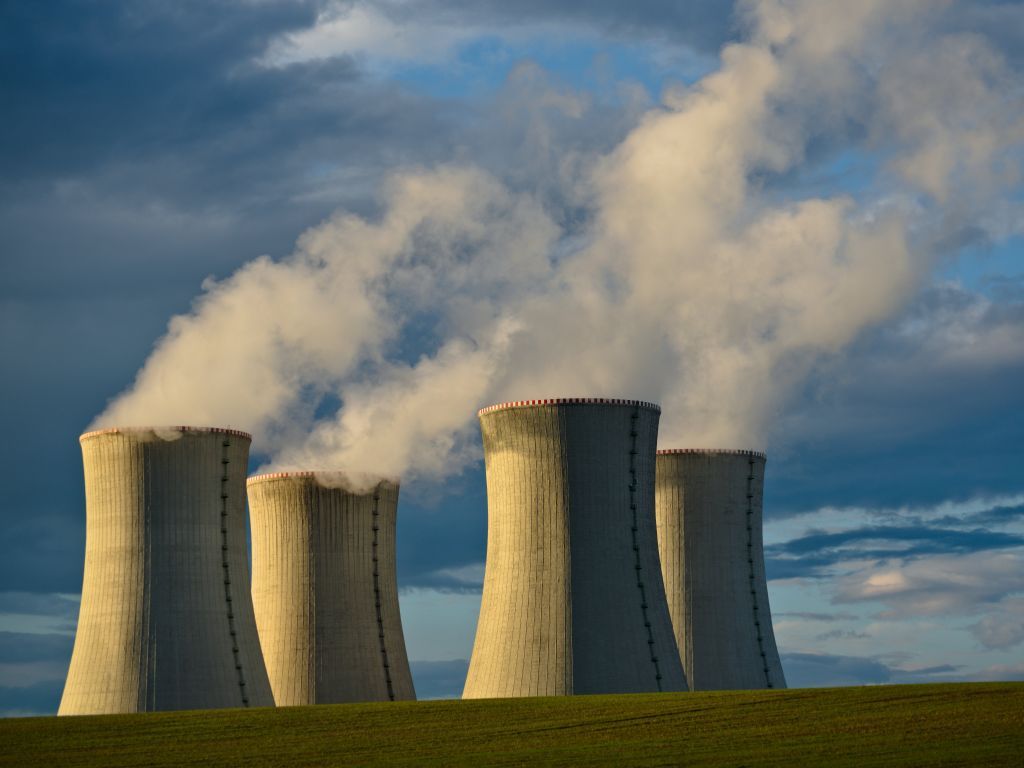
These announcements, as emphasized by the acting CEO of the PE Serbian Nuclear Facilities, Dalibor Arbutina, are realistically achievable, primarily because, as he said, we need new electricity.
– Both the region and the entire world are looking for a stable and clean source of energy due to increasing consumption, new electronic devices, artificial intelligence and climate change. That is why we are entering a program to develop nuclear energy. We are now in the phase of examining whether we need it at this moment, and all the information and studies collected will serve to make the optimal decision – explains Arbutina.
He emphasizes that nuclear energy is a stable source that does not depend on weather conditions, unlike wind or sun.
– It is also environmentally friendly because it does not emit carbon dioxide, and can become the basis of Serbia’s energy stability – says Arbutina.
When it comes to professional staff, he emphasizes that Serbia has experts who are capable of participating in the first phase of nuclear energy development.
– The PE Nuclear Facilities of Serbia was formed out of the Vinca Institute for Nuclear Sciences and the Institute for Nuclear Materials Transfer. The experts needed for the analysis of preliminary studies and data collection have been kept there. For the future construction of the power plant, which is planned in the next 15 years, we have enough time to train new staff – believes Arbutina.
He adds that the education system in Serbia is already set up for basic training.
– The faculties of mechanical engineering and electrical engineering can provide initial training for engineers, while further education will depend on the chosen technology. Part of the education can also be abroad, but we have enough time to implement it – Arbutina emphasizes.
An investment in a nuclear power plant of around EUR 20 billion is, as he says, large, but it pays off in a few years because electricity production becomes extremely cheap. The example of Finland shows that such projects pay off in the long run, he adds. Serbia, he says, is also following regional initiatives. Romania, Bulgaria, Hungary, Croatia and Slovenia already have nuclear capacities, and Hungary is expanding Paks.
– Serbia also participated by giving its opinion on the environmental impact studies for Paks, which shows how transparent the process is. Our decision on possible participation or independent construction of the power plant will depend on the studies and negotiations – adds Arbutina.
He also points to the development of small modular reactors, which are faster and more flexible to build, especially suitable for industrial complexes and data centers.
– Given the growth in consumption, for example in Kragujevac, we need additional stable energy. Small modular power plants could be a solution to such needs – he adds.
Arbutina says that the studies will show whether it is better to develop capacities independently or jointly.
– Energy security and price indicate that it might be better for Serbia to have its own power plant, but all options are under consideration – he said.
Companies:
 JP Nuklearni objekti Srbije Beograd
 Institut za nuklearne nauke Vinča Beograd
 Mašinski fakultet Beograd
 ETF Beograd
Tags:
PE Serbian Nuclear Facilities
Vinča Institute for Nuclear Sciences
Institute for Nuclear Materials Transfer
Faculty of Mechanical Engineering Belgrade
Faculty of Electrical Engineering Belgrade
Dalibor Arbutina
small modular reactors
Comments
Your comment
Naš izbor


Most Important News
Full information is available only to commercial users-subscribers and it is necessary to log in.
Pratite na našem portalu vesti, tendere, investicione projekte, grantove i pravnu regulativu.
Registracija na eKapiji vam omogućava pristup potpunim informacijama i dnevnom biltenu
Naš dnevni ekonomski bilten će stizati na vašu mejl adresu krajem svakog radnog dana. Bilteni su personalizovani prema interesovanjima svakog korisnika zasebno,
uz konsultacije sa našim ekspertima.