


 Izdanje Srbija
 Serbische Ausgabe
 Izdanje BiH
 Izdanje Crna Gora


 News
News


Is Southeastern Serbia's Climate Becoming Similar to That of Spain and Greece?

 Comments


(Photo: Pixabay/ELG21)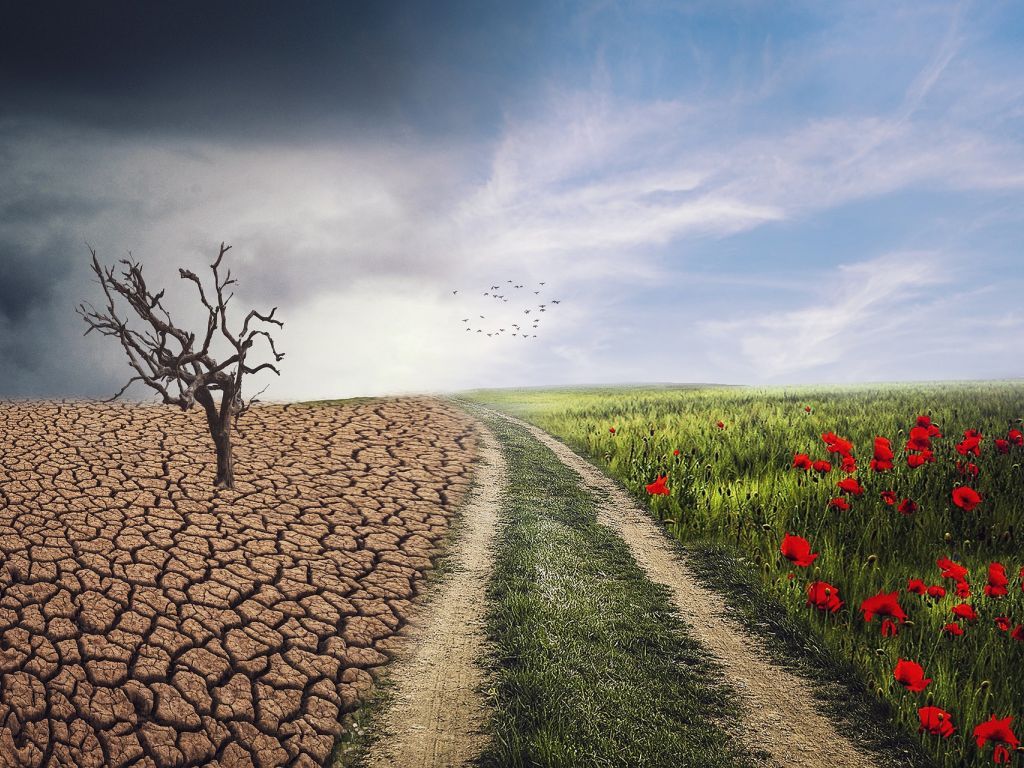
Following the driest June on record, Serbia experienced highly variable weather in July, marked by sudden drops in temperature, heavy showers, hail, and strong winds. However, official data from the Republic Hydro-meteorological Service (RHMZ) show notable regional differences.
While cities such as Belgrade, Novi Sad, and Loznica received over 50 mm of rain—within normal July ranges—eastern and southeastern parts of the country recorded significantly less. Since early June, places like Negotin, Nis, Leskovac, Dimitrovgrad, and Vranje have seen less than 20 mm of rainfall in total.
According to RHMZ forecasts, most of the country is expected to experience normal moisture conditions in July, while southern and southeastern Serbia will continue facing dry conditions, with extreme drought persisting in the Vranje area.
This pattern is not unexpected: eastern and southeastern Serbia are among the country’s most drought-prone regions, with annual rainfall in some areas averaging less than 600 mm. These include the Nis, Leskovac, and Vranje basins.
The national Climate Adaptation Program identifies these areas as particularly vulnerable to long-term climate shifts. By mid-century, they are expected to transition toward a semi-arid climate.
Area of Semi-Arid Climate
Eastern and southeastern Serbia have a distinctly continental climate, due to their distance from the Atlantic and Adriatic, and exposure to dry continental air masses from Eastern and Northern Europe. These conditions are compounded by local topography, limiting moisture and increasing aridity.
Recent research published in Theoretical and Applied Climatology examined spatial and temporal patterns of aridity in the region. Annual drought index values show semi-humid conditions in Nis, while other monitoring stations report humid conditions overall. However, aridity intensifies during the summer months—from June to September.
Seasonal data provide clearer insight: winters and parts of spring and autumn remain humid, while summer months exhibit characteristics of a Mediterranean climate, with a marked moisture deficit.
This seasonal aridity, when vegetation requires the most water, is already affecting agricultural output. Farming in the region relies heavily on rainfall, with limited irrigation infrastructure.
International scientific assessments, including the World Atlas of Desertification, project that much of Southern Europe will increasingly face semi-arid conditions, similar to those found in parts of Spain, Greece, and Turkey. Although southeastern Serbia is already one of the driest regions in the country, these trends are expected to intensify.
Aridity and Its Impact on Agriculture
It's important to distinguish between drought and aridity. Aridity refers to a chronic lack of moisture based on long-term climate conditions and is a defining feature of certain geographic zones.
In warm, arid, and semi-arid regions, persistent water deficits lead to significant socioeconomic impacts, such as increased water demand. Various aridity indices not only reflect climate change but also help identify vegetation stress and potential natural hazards.
Growing aridity is expected to pose increasing challenges for agriculture in southeastern Serbia, where farming is the dominant economic activity. The state and local governments will need to adopt agricultural adaptation strategies to support the sustainability of crops that depend on summer rainfall.
Traditional crops—such as tomatoes, peppers, cucumbers, and grains—are especially vulnerable under these changing conditions.
Limited Irrigation Capacity
According to the 2023 Agricultural Census, southeastern Serbia has the lowest percentage of irrigated land in the country (only 5.2%), despite having the potential to irrigate up to 8.5% of agricultural areas.
(Photo: AJCespedes/shutterstock.com)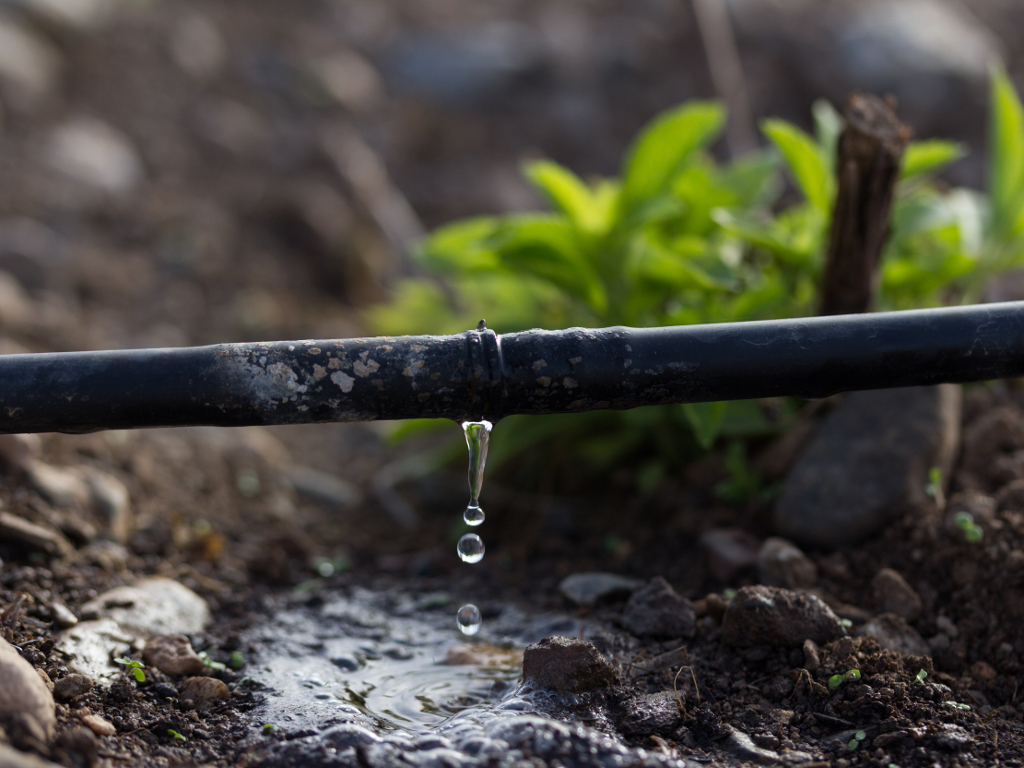
The main sources of irrigation—groundwater (51%) and surface water (25%)—are increasingly strained due to declining river flows and reduced groundwater reserves. As water scarcity becomes more common, irrigation strategies will need to shift toward reduced and emergency watering regimes. This approach involves minimizing water usage without significantly affecting yield or crop quality, and targeting irrigation during the most critical growth phases.
Rising temperatures and shifting rainfall patterns are already affecting not just agriculture but also forest ecosystems, economic planning, and environmental protection efforts. Ensuring sustainable farming practices in the face of long dry spells will be one of the region’s greatest challenges.
Companies:
 Hidrometeorološki zavod Srbije- RHMZ
Tags:
Republic Hydrometeorological Institute
University of Kosovska Mitrovica
Nikola M. Milentijevic
Southeast Serbia
climate change
global warming
Comments
Your comment
Naš izbor


Most Important News
Full information is available only to commercial users-subscribers and it is necessary to log in.
Pratite na našem portalu vesti, tendere, investicione projekte, grantove i pravnu regulativu.
Registracija na eKapiji vam omogućava pristup potpunim informacijama i dnevnom biltenu
Naš dnevni ekonomski bilten će stizati na vašu mejl adresu krajem svakog radnog dana. Bilteni su personalizovani prema interesovanjima svakog korisnika zasebno,
uz konsultacije sa našim ekspertima.