


 Izdanje Srbija
 Serbische Ausgabe
 Izdanje BiH
 Izdanje Crna Gora


 News
News


Nuclear energy study completed – Serbia considering two options

 Comments


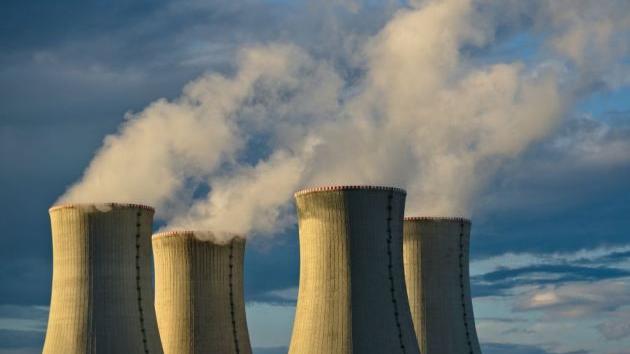
Illustration (Photo: Martin Lisner/shutterstock.com)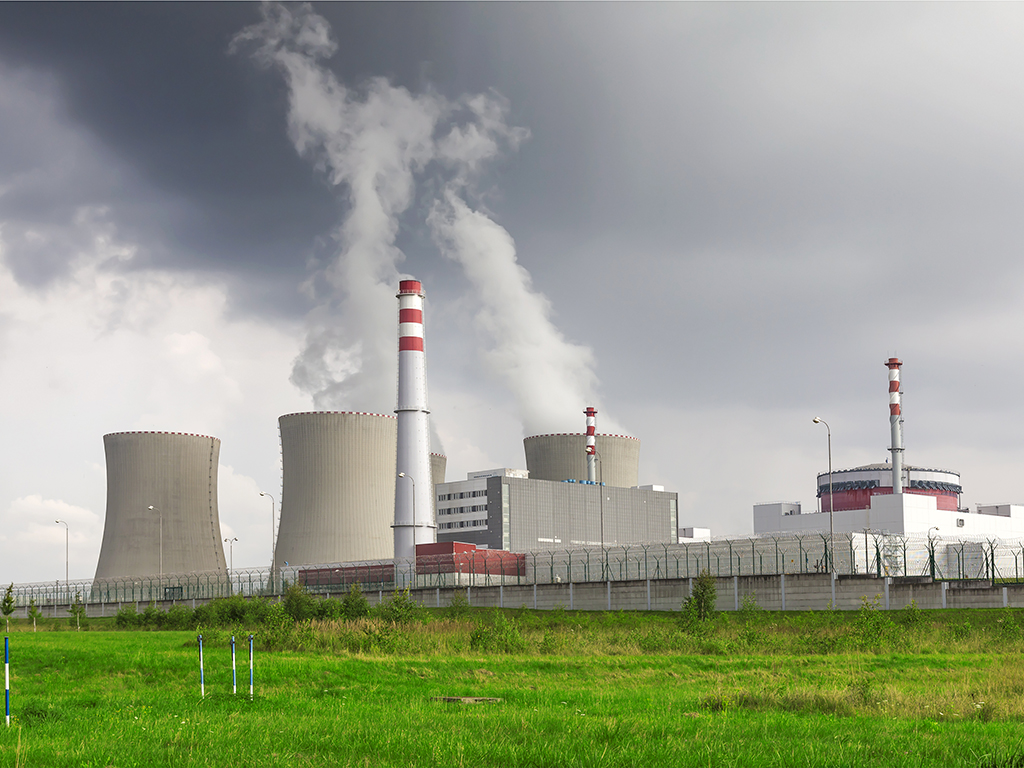
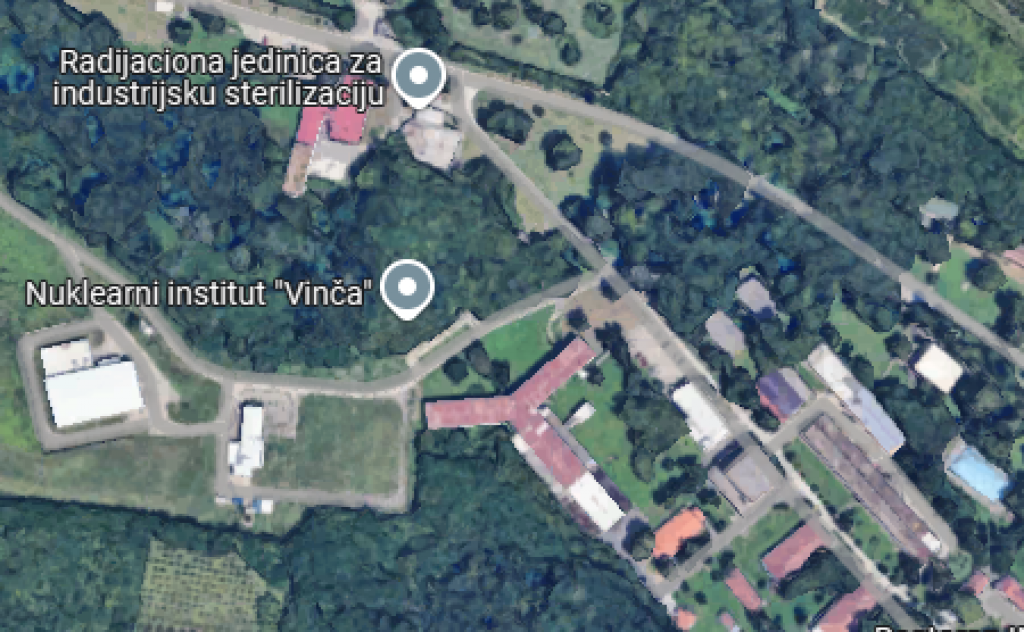
The Vinca Institute Director Slavko Dimovic explains in an interview with RTS that this is a preliminary technical study on peacetime use of nuclear energy in Serbia, which was prepared by French partners.
– The analysis will show and provide justification for the construction, as well as certain guidelines for the development of the Serbian nuclear program. This is just one of three phases according to the instructions of the International Atomic Energy Agency, which provide information on the justification for starting the development of the Serbian nuclear program – Dimovic emphasizes.
Nuclear energy expert Zoran Drace states that it will take at least two years to study the needs of a nuclear power plant in Serbia.
– My opinion is related to the current situation. We have almost 5,000 megawatts in power plants running on fossil fuel, lignite. We have accepted the obligation to more or less close these plants by 2050. They must be compensated in some way, and in order for this to happen in Serbia, it has been accepted to create an energy mix that will push for the construction of several hydro and solar power plants, wind farms, as well as nuclear power plants – claims Drace.
Dimovic pointed out that the construction of a nuclear power plant would mean “abandoning the use of fossil fuels due to all the harmful effects they have.”
– I think that would also mean the official start of a technological revolution in Serbia and the promotion of academic knowledge and projects that are reminiscent of some earlier times – believes Dimovic.
The director of the Vinca Institute pointed out that nuclear energy was the cheapest form of electricity production and that coal therefore had to be replaced.
– The investments are the largest part, and it is the most complicated infrastructure project, but afterwards the maintenance costs are lower – Dimovic emphasized.
There are about 430 nuclear power plants operating in the world, and it is assumed that this year nuclear energy production will be record-breaking, and investments will almost double in this decade.
– The cost of investing in the construction of a nuclear power plant varies significantly depending on the geopolitical situation and who you will cooperate with – concludes Drace.
Djedovic Handanovic: Serbia considering two options for development of nuclear energy
Serbia has received the first technical study on the application of nuclear energy for peacetime purposes. Minister of Mining and Energy Dubravka Djedovic Handanovic told RTS that two options were being considered: traditional nuclear power plants and small modular reactors, which were increasingly in focus around the world.
In order to cover the growth in electricity consumption, the world, in addition to increasing the share of renewable energy, is looking for a way out in nuclear power plants as a secure source of supply. By mid-century, Brussels alone is announcing 240 billion euros in investments in nuclear projects in EU member states. Serbia is also considering the possibility of developing nuclear programs.
Traditional nuclear power plants offer economic advantages, while small modular reactors offer greater flexibility, the possibility of modular expansion and lower initial investment costs.
– One technology has not yet been technically and technologically confirmed. These are small nuclear reactors that are still under development. We have commercial nuclear power plants that offer economies of scale, while small modular reactors offer flexibility, modularity and offer lower investment costs – stated Djedovic Handanovic, guesting on RTS’s Jutarnji dnevnik program.
The study shows that there is a possibility of integrating nuclear energy into the existing transmission system of Serbia, but not in the near future, but in 15 to 20 years.
Preparation phases and development team
According to the minister, preparation for the construction of nuclear facilities requires the fulfillment of certain phases according to the guidelines of the International Atomic Energy Agency, which last from five to seven years. During that period, additional studies and analyses need to be conducted, as well as the formation of a body that will manage the development of the nuclear program.
– These phases last, the first and second specifically, somewhere between five and seven years. During these, further additional studies and analyses should be completed, but also a body should be formed that will deal with the development of the nuclear program. We are currently in the process of forming such a body within the Ministry of Mining and Energy, of course with representatives of scientific institutes but also other institutions that can contribute to such an undertaking – said the Minister and added that this, above all, referred to the training of professional staff, which was very important, and that it was estimated that the entire process would cost around 30 million euros.
The Minister emphasizes that the training of professional staff is a key part of the strategy.
– At the end of this period, a decision will be made on the choice of technology and partners with whom Serbia will cooperate – stated the guest of Jutarnji dnevnik.
Cooperation with potential partners
Serbia’s partners in the development of nuclear energy have not yet been definitively selected. The French company EDF is working on the first technical study, and Serbia also has a cooperation agreement with the French government for the early stages of program preparation.
– France has extremely extensive experience because it produces about 70% of its energy in nuclear power plants and operates a large number of such plants. This is valuable knowledge that they can transfer to a developing country, such as Serbia. However, when we talk about the construction of nuclear power plants, France has not built them for a long time – stated the minister.
She pointed out that there were other countries, such as South Korea, which had managed to build one unit in the United Arab Emirates in a relatively short period of time.
– South Korea, Russia and China also have extensive experience with nuclear energy. We intend to sign a cooperation agreement with South Korea regarding both types of technology in the next two months, so I think we will give ourselves the opportunity to consider cooperation with partners from different countries – stated Djedovic Handanovic.
Growth of energy consumption in Serbia and the world
Explaining why it was important for Serbia to enter the nuclear program, she emphasized that not only Serbia, but also countries in Europe, but also globally in general, would need more and more energy, that consumption was increasing, both in summer and winter, and that it would be even greater in the coming years and decades.
She emphasized that renewable sources, as much as they could bring and contribute to decarbonization and the reduction of harmful gases, were not a long-term and stable solution, because they depended on weather conditions.
According to her, the growth of energy consumption in Serbia and the world requires permanent and stable solutions for providing baseload energy.
– Renewable sources have their role, but they are not stable enough because they depend on weather conditions. Fossil fuels also have a limited lifespan, so we need an alternative that can provide energy in the long term with significantly lower emissions of harmful gases. Nuclear energy is one such option, with operating lifetimes of 80 to 90 years – the minister said.
She assesses that today’s opening of the Petka solar power plant in Kostolac, the first state-owned plant, means that the energy transition has officially begun within our largest company.
– Of course, the completion of the wind farm in Kostolac is to follow. This is important because these projects are being implemented on old mining dumps, which means that the existing infrastructure for renewable energy sources is being used. This creates additional jobs, a clean source of energy – said the minister, adding that the goal was for Elektroprivreda to develop other projects as well.


Fotografije:
Opis:
Vidi sve
Companies:
 Institut za nuklearne nauke Vinča Beograd
 Ministarstvo rudarstva i energetike Republike Srbije
Tags:
Vinča Institute
Ministry of Mining and Energy
International Atomic Energy Agency
Slavko Dimović
Zoran Drače
Dubravka Đedović Handanović
Preliminary Technical Study on Peacetime Use of Nuclear Energy in Serbia
Comments
Your comment
Naš izbor



Most Important News
Full information is available only to commercial users-subscribers and it is necessary to log in.
Pratite na našem portalu vesti, tendere, investicione projekte, grantove i pravnu regulativu.
Registracija na eKapiji vam omogućava pristup potpunim informacijama i dnevnom biltenu
Naš dnevni ekonomski bilten će stizati na vašu mejl adresu krajem svakog radnog dana. Bilteni su personalizovani prema interesovanjima svakog korisnika zasebno,
uz konsultacije sa našim ekspertima.