


 Izdanje Srbija
 Serbische Ausgabe
 Izdanje BiH
 Izdanje Crna Gora


 News
News


Payments in euros without hidden costs and waiting – What does Serbia’s membership in SEPA specifically bring to citizens and businesses?
Source: eKapija
 Sunday, 08.06.2025.
10:53
Sunday, 08.06.2025.
10:53
Sunday, 08.06.2025.
10:53
 Comments


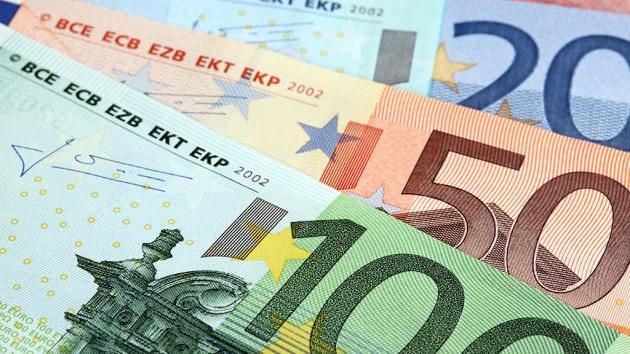
Illustration (Photo: Pexels/Kaboompics.com)
– Given that as much as 60% of Serbia’s foreign trade is with the EU, and that almost half of the remittance inflow comes from EU member states, joining the SEPA area has the potential to bring numerous benefits in the form of simpler transactions with the European Union and the region, easier economic exchange and its further encouragement, as well as lower costs – the NBS stated for our portal.
The introduction of the SEPA standard also means that standard and instant transfers will be enabled in the future, and later direct debits too, with the expectation that the first requests for joining SEPA payment schemes could be submitted as early as November 2025, while operational implementation could begin in May 2026.
Serbia’s joining the SEPA is, they add, the first in a series of steps towards improving payment transactions with the European Union and the region, which will actually happen when the payment infrastructures of the European Union and Serbia are connected.
Cheaper transfers
According to World Bank analyses, the costs of non-cash transactions for small, micro and medium-sized enterprises between economies in the region are six times higher than their counterparts within the European Union, so the expectation is that after the accession of payment service providers from Serbia, they will be reduced.
Financial consultant Vladimir Vasic also estimates that the benefits for domestic users can be significant and very concrete.
– The costs of cross-border payments in euros will be the same as the costs of domestic ones - without hidden banking fees – he says. Also, as he adds, SEPA allows transfers to be made within one business day, and often faster, in just a few hours. By using standardized processes (IBAN, ISO 20022) and without the need for SWIFT codes, citizens and businesses will be able to more easily compare services and prices from different banks.
Illustration (Photo: Pixabay.com/Philippedelavie)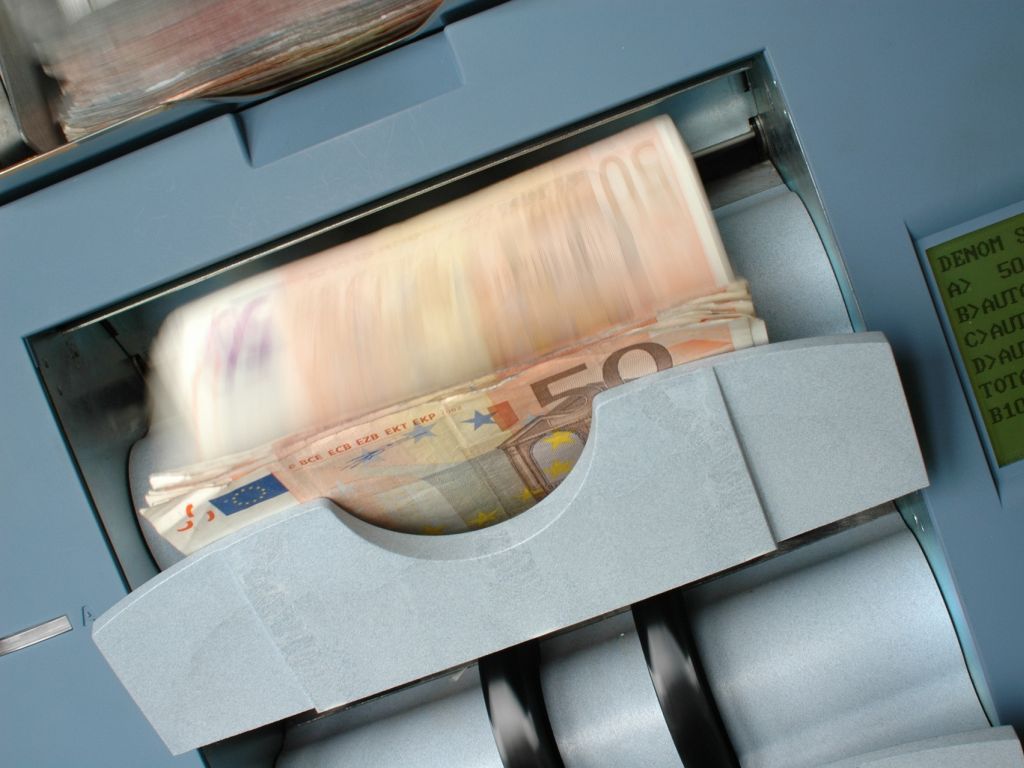
The NBS also points out that Serbia already has a national instant payment system (IPS NBS) that is based on international standards and provides an advantage over other countries in the region. In this context, special attention is being paid to the integration of this system with the European TIPS solution for fast payments, which would enable SEPA instant transactions with minimal changes for domestic service providers.
– Fast payments, which are executed in seconds instead of within a few days, have the potential to transform financial transactions with the EU and the region. Serbia has an advantage in this segment compared to other Western Balkan countries, because for seven years it has had its own instant payment system (IPS NBS), established on internationally recognized standards prescribed by SEPA rules (ISO 20022 XML) – say the NBS.
Since the SEPA rules for executing payment transactions apply only to transactions executed in euros within the SEPA area, the execution of payment transactions in dinars is carried out independently of the SEPA rules.
– The National Bank of Serbia, as the operator of four payment systems in which payment transactions are executed in dinars, ensures high efficiency of executing domestic payment transactions by applying best practices and international standards in the use of electronic message formats and established business processes. Thanks to modern technological solutions and developed digital channels, citizens and businesses in Serbia have access to fast, secure and innovative payment methods in the domestic environment. The efficiency of executing domestic payment transactions can not only be compared with European standards, but in some aspects it is also at a higher level, which shows that efficiency, innovation and security of payments are the priorities of the National Bank of Serbia in the area of payment services, which bring concrete benefits to citizens and businesses in their everyday business – the NBS states.
In order to connect with the European payment infrastructure for fast payments, the NBS, they add, in cooperation with the European Central Bank is analyzing the possibilities of using the existing domestic IPS NBS infrastructure in order to provide payment service providers from Serbia with access to SEPA payment schemes (including the possibility of connecting the IPS NBS system with the European instant payment system TIPS).
– The goal is to enable payment service providers from Serbia to execute SEPA instant payment transactions with minimal costs and changes to their systems – they note.
Vasic adds that SEPA represents an important step towards the full financial integration of Serbia with the EU, because by switching to these standards, domestic banks function in the same way as banks in member states.
– This also accelerates the adoption of European regulations, such as PSD2, which is part of the broader process of joining the single market – he says, emphasizing that SEPA simplifies payment flows, facilitates trade and investment, and can thus improve the country’s credit rating.
Increased competition is also expected in the domestic market - both among banks and through the entry of foreign fintech companies.
– Pressure will increase on banks to lower fees and improve service - both for cross-border and domestic transactions in euros. Smaller banks and non-bank payment service providers (fintech) will get the opportunity to offer innovative and more affordable solutions. It is possible that more digital banks (e.g. Revolut, N26, Wise) will appear that target markets with SEPA access – says Vasic.
Illustration (Photo: Rido/shutterstock.com)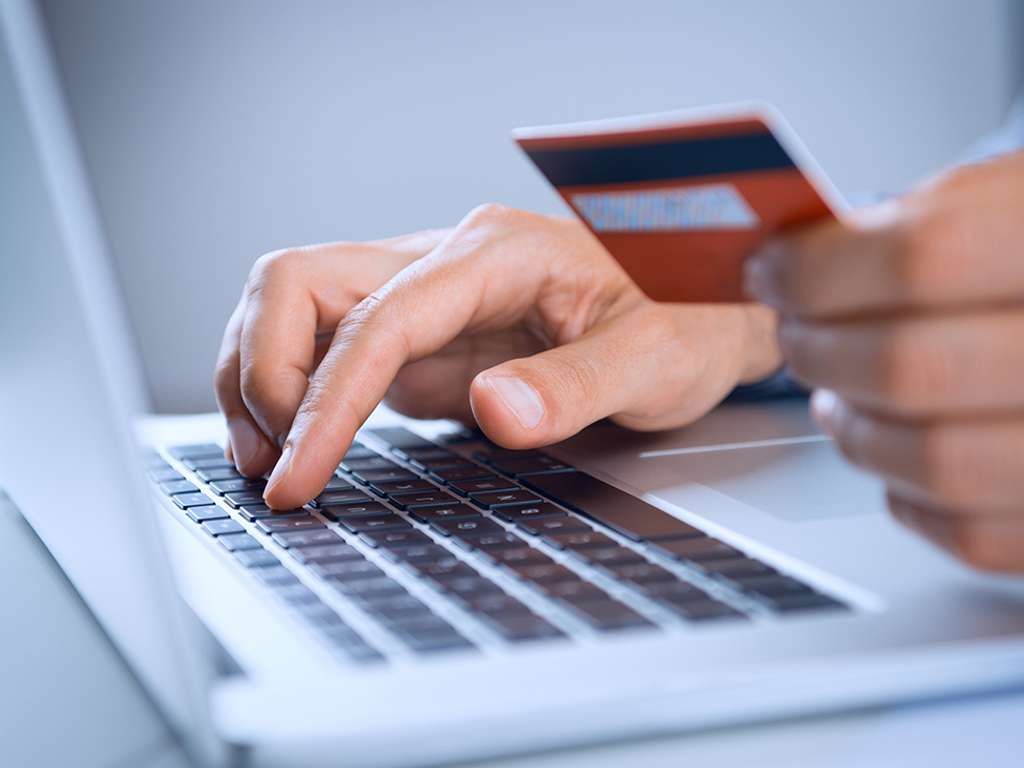
Fintech will strengthen
SEPA will, he notes, also boost the development of the fintech scene.
– SEPA opens the door for direct integration of fintech companies from the EU, which can register their business in Serbia or offer services without intermediaries. The domestic fintech sector can more easily implement European standards and enter EU markets. The implementation of the open banking model is enabled (e.g. access to data with the user’s consent), which encourages the development of applications for managing personal finances, instant payments, etc. – says Vasic.
SEPA is also interpreted as a signal of trust - both to investors and citizens.
– Investors receive a clear signal that Serbia is moving towards full integration with European standards, which means lower transaction risk. A positive indirect impact on Serbia’s credit rating is also possible (especially if SEPA entry is part of a wider reform package). Barriers to entry into the Serbian market are reduced for foreign companies because they use familiar payment mechanisms – he notes.
Serbia’s entry into the SEPA zone is not, as he points out, just a technical move, but a strategic step towards European financial and economic integration.
– Citizens, businesses and the fintech sector can expect lower costs, faster services, greater competition and better access to the European market. It is also a strong positive signal for foreign investors – concludes Vasic.
The NBS says that they are continuing their activities to enable the smooth execution of payment transactions within the SEPA, creating conditions for the provision of modern and efficient payment services in the interest of citizens and businesses in Serbia, which includes providing support to payment service providers from the Republic of Serbia in this process (through workshops, instructions, meetings, etc.).
When asked how Serbia’s inclusion in the SEPA will affect the security of payment transactions, especially in the context of harmonization with European regulations on data protection and fraud prevention, the NBS notes that the condition for joining the SEPA was that Serbia prove that it applies the same standards that apply in the EU, which, among other things, concern the protection of personal data and the highest security standards when making payments.
– In this sense, we can only expect further improvement of the data protection system and prevention of fraud, and efficient implementation of all security measures for executing payment transactions used within the SEPA area – the Central Bank tells eKapija.
Ivana Zikic
Companies:
 Narodna banka Srbije Beograd
Comments
Your comment
Naš izbor
Most Important News
Full information is available only to commercial users-subscribers and it is necessary to log in.
Pratite na našem portalu vesti, tendere, investicione projekte, grantove i pravnu regulativu.
Registracija na eKapiji vam omogućava pristup potpunim informacijama i dnevnom biltenu
Naš dnevni ekonomski bilten će stizati na vašu mejl adresu krajem svakog radnog dana. Bilteni su personalizovani prema interesovanjima svakog korisnika zasebno,
uz konsultacije sa našim ekspertima.