


 Izdanje Srbija
 Serbische Ausgabe
 Izdanje BiH
 Izdanje Crna Gora


 News
News


Reconstruction of Zica monastery worth RSD 36.7 million

 Comments


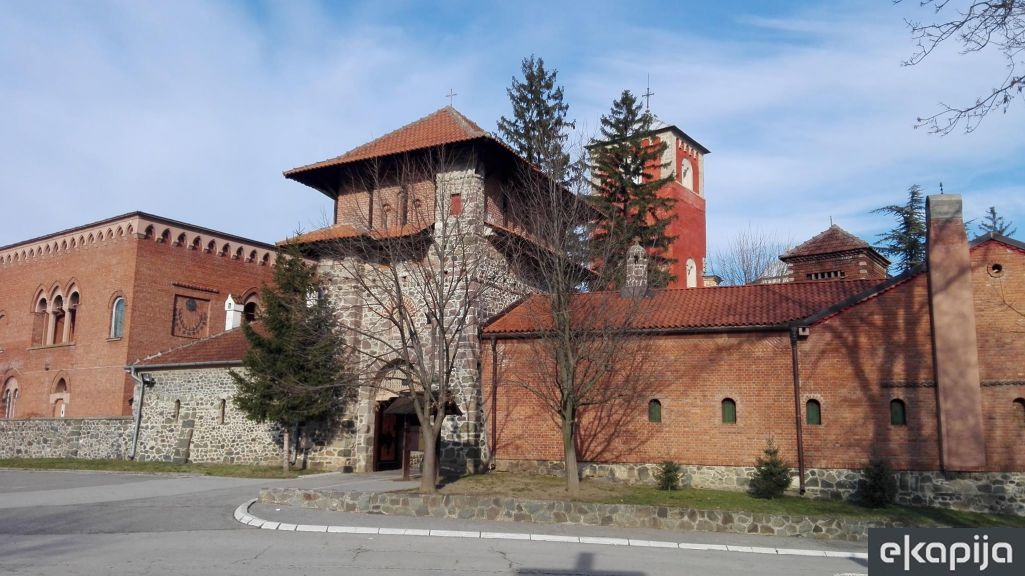
(Photo: Aleksandra Kekić / eKapija)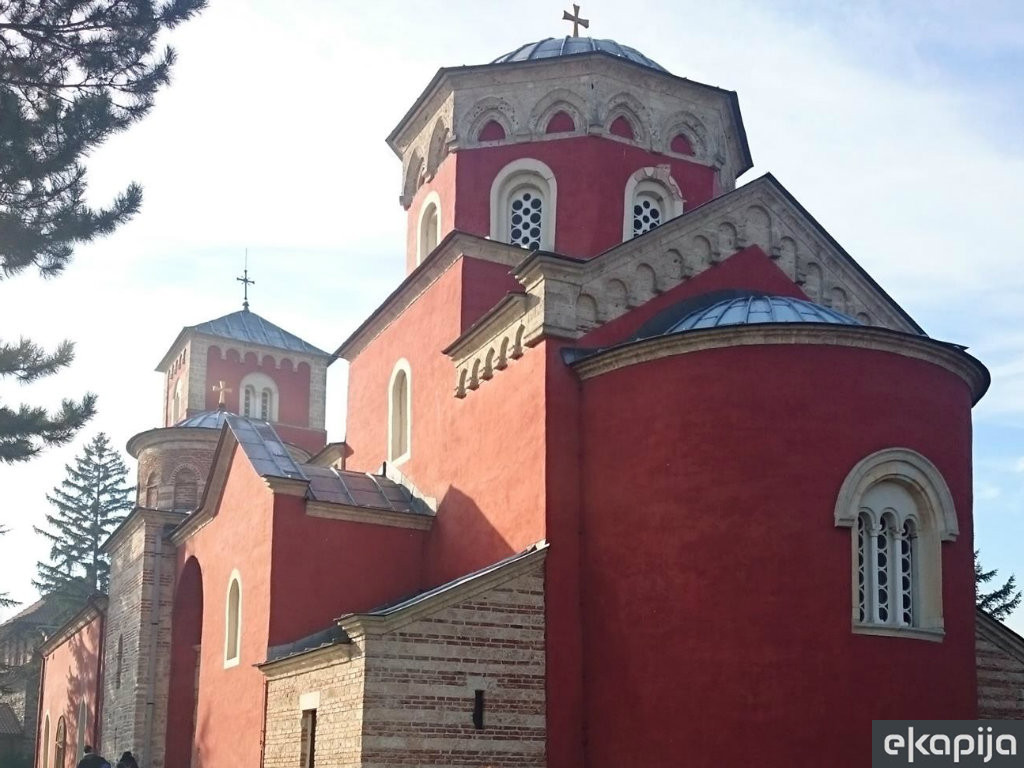
The occasion for the reconstruction is eight centuries of the autocephaly of the Serbian Orthodox Church.
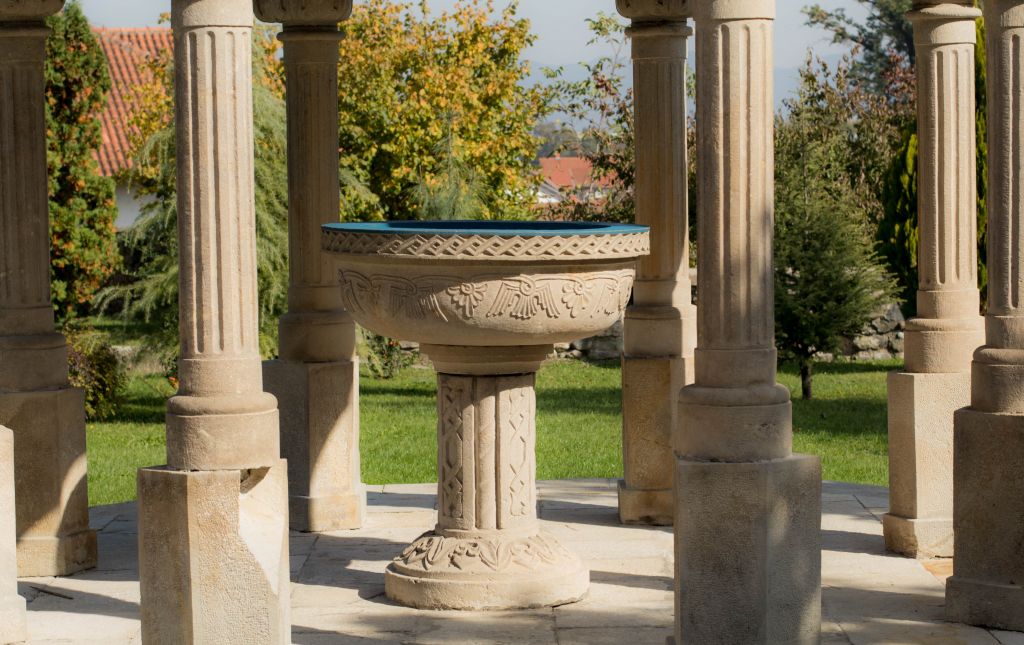
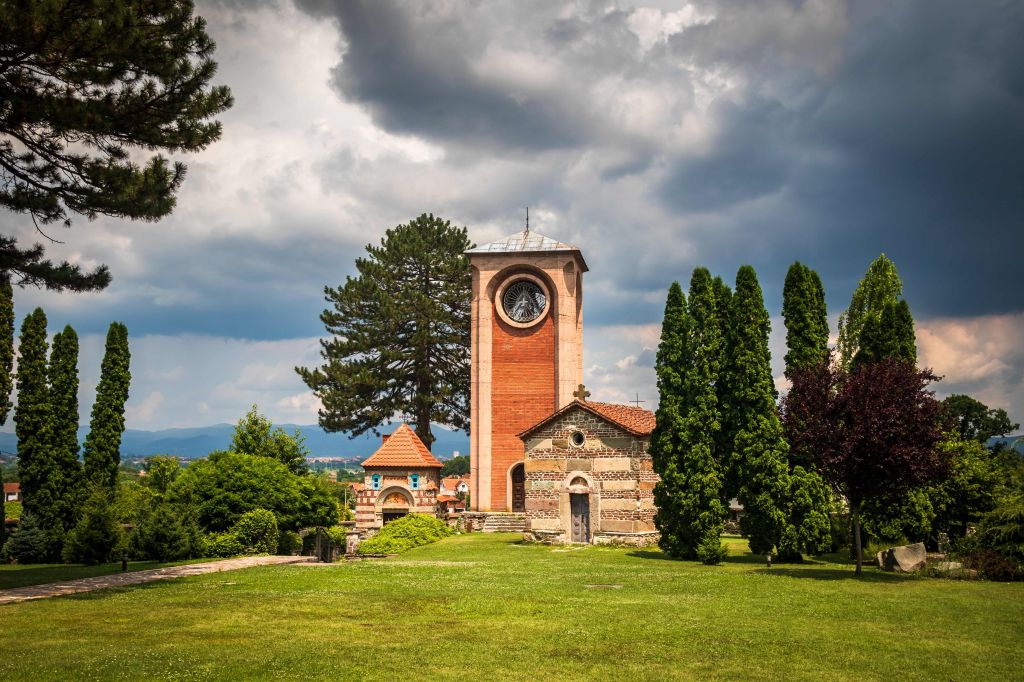
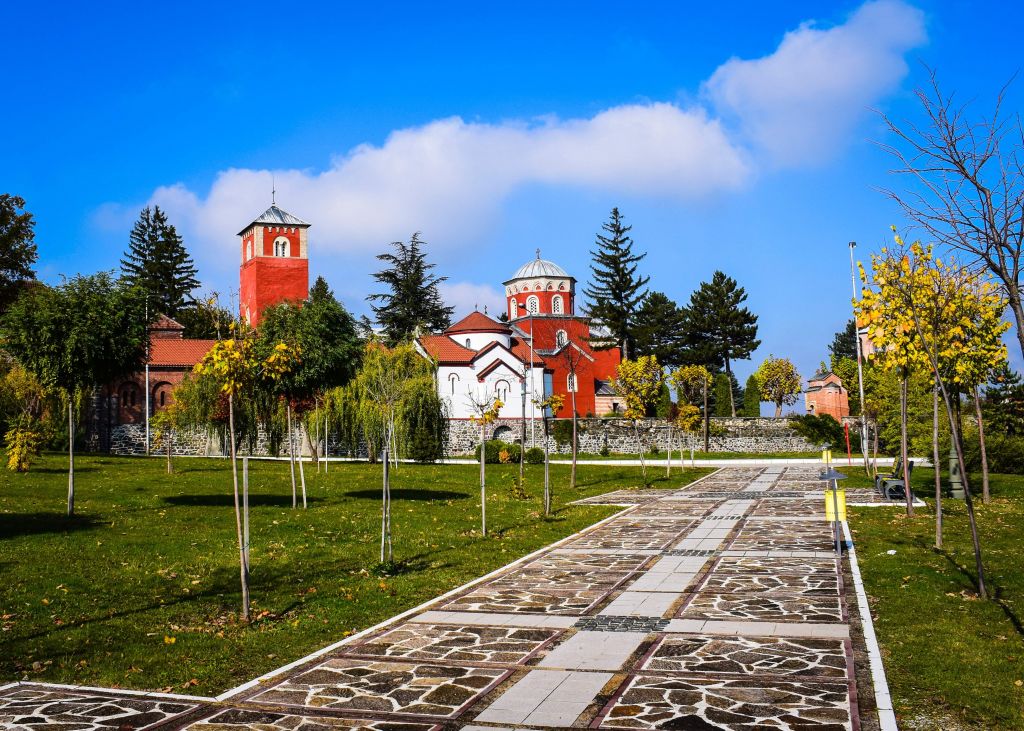
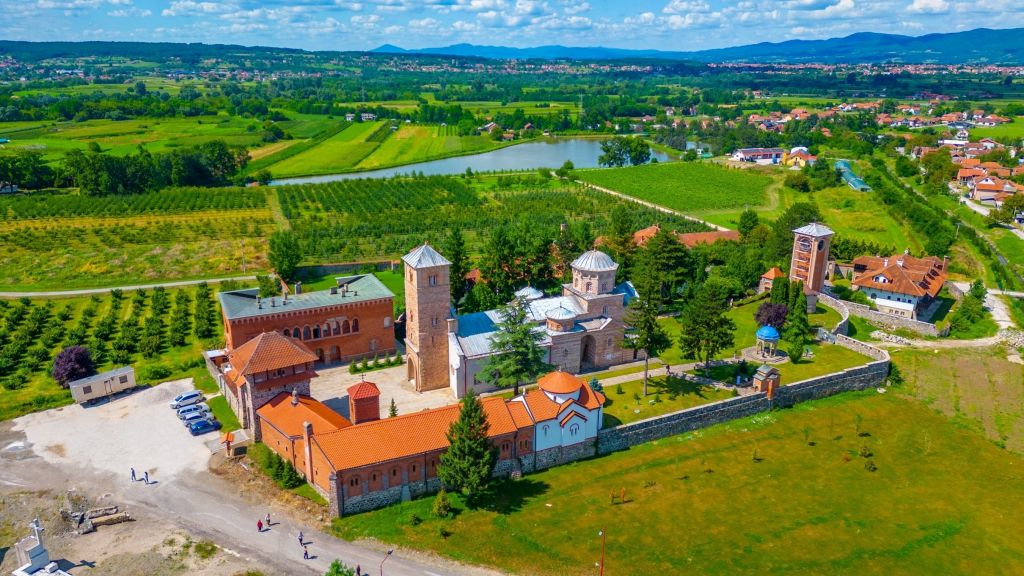
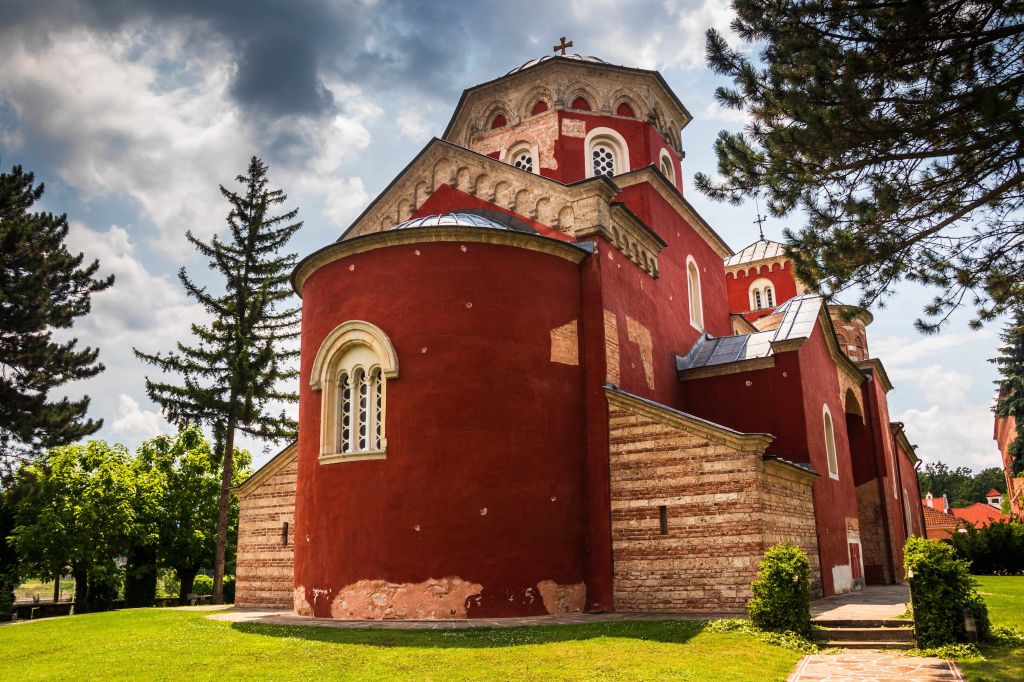
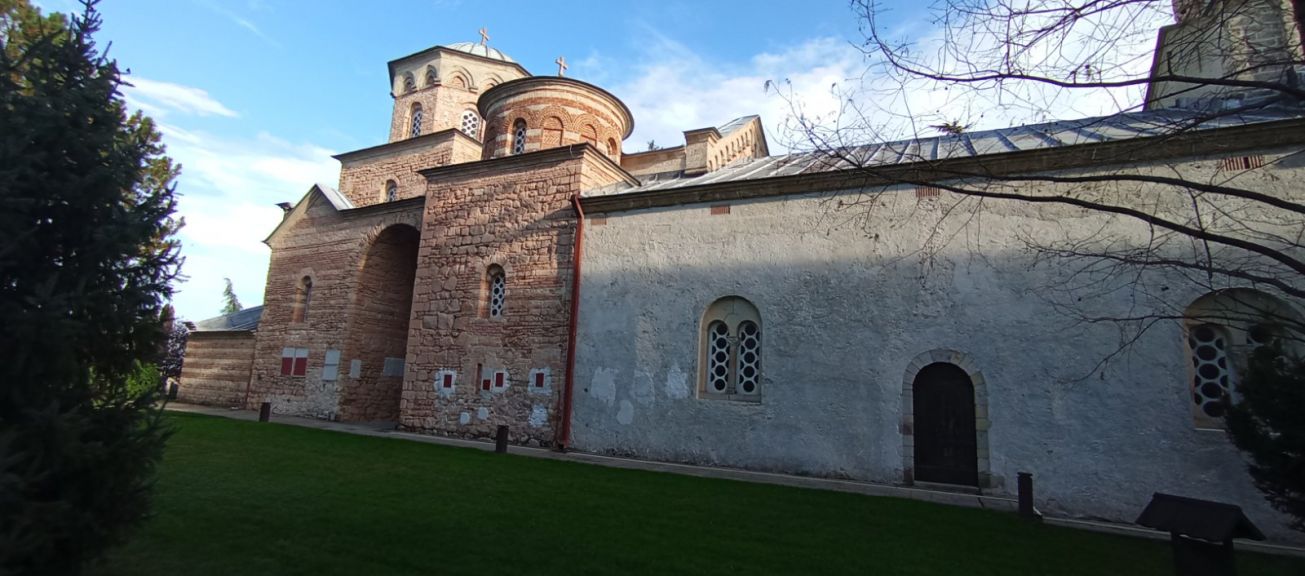
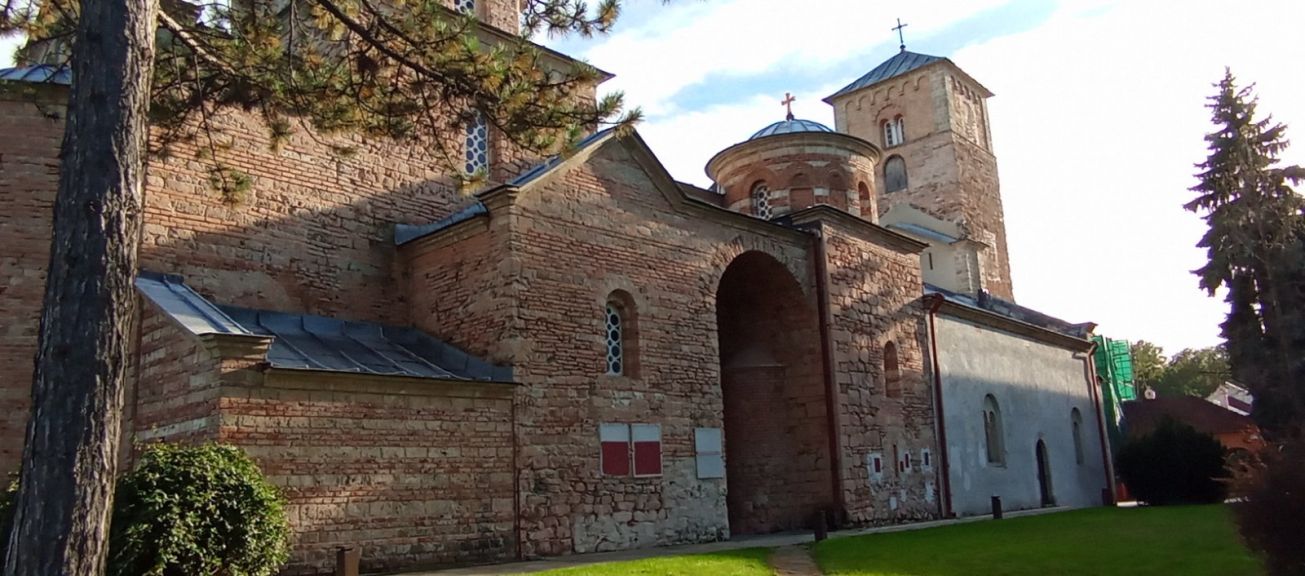
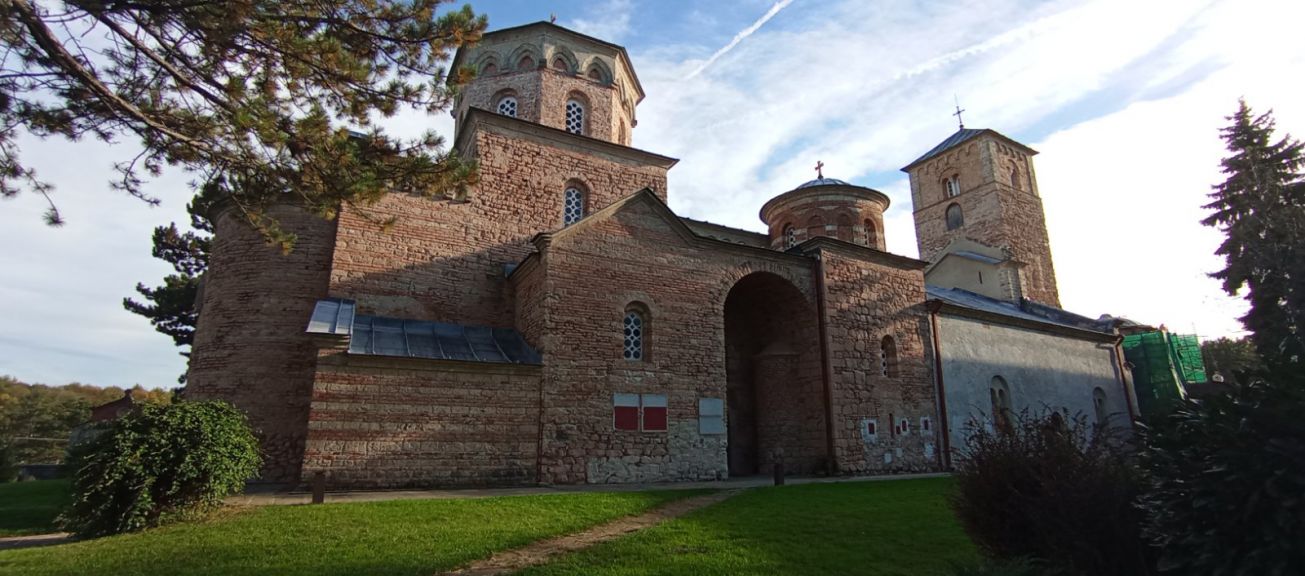
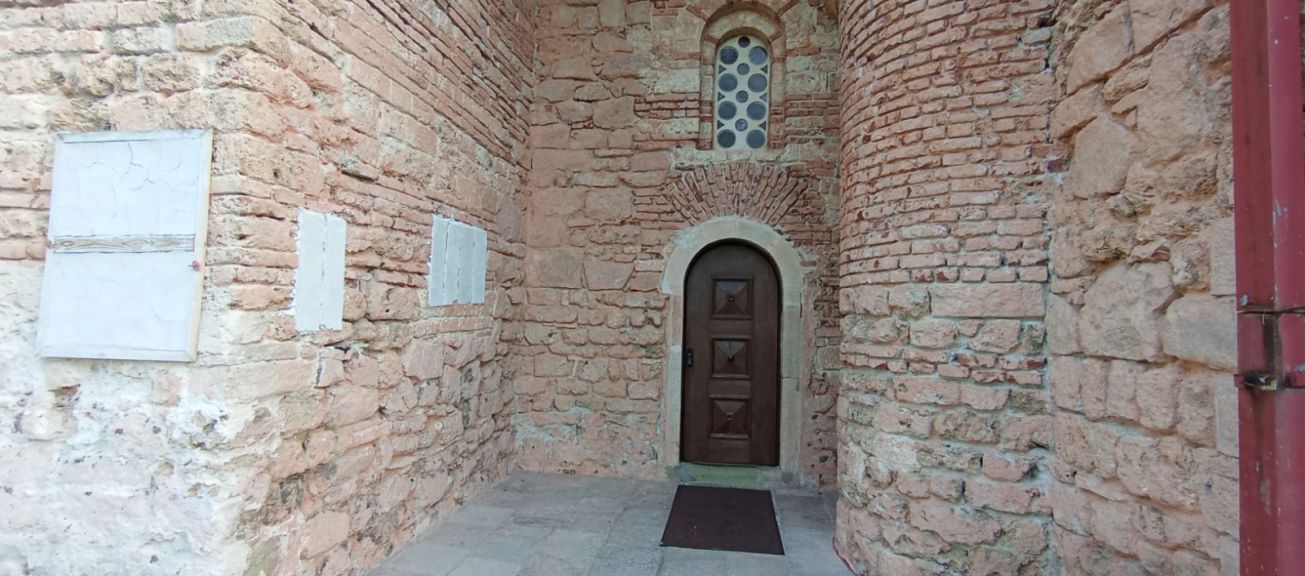
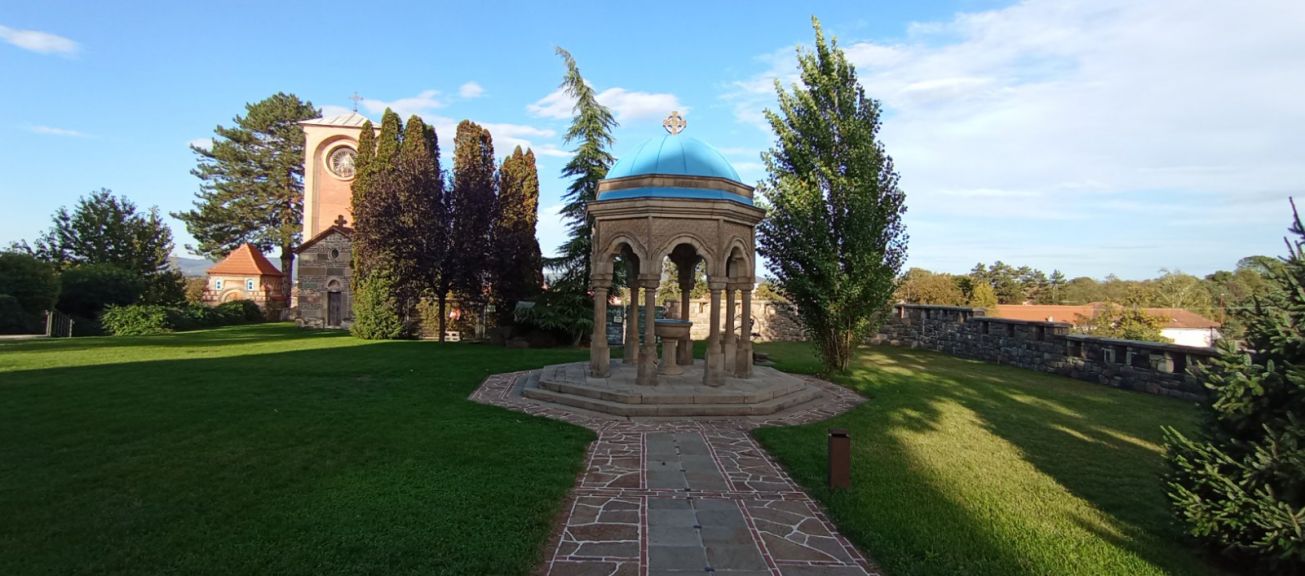
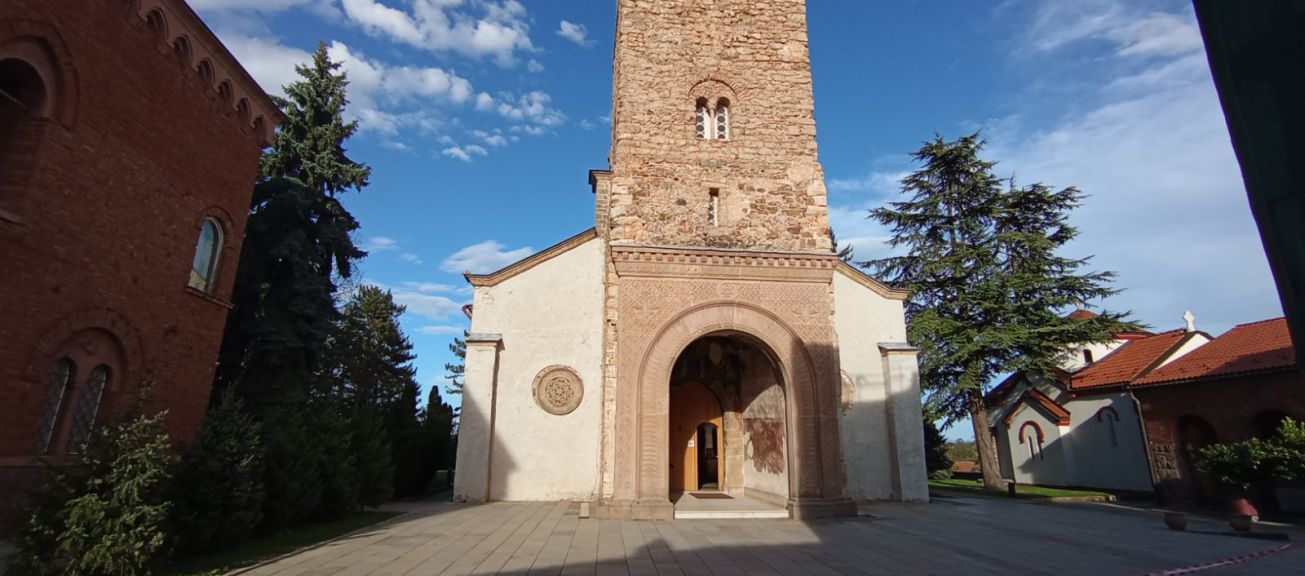
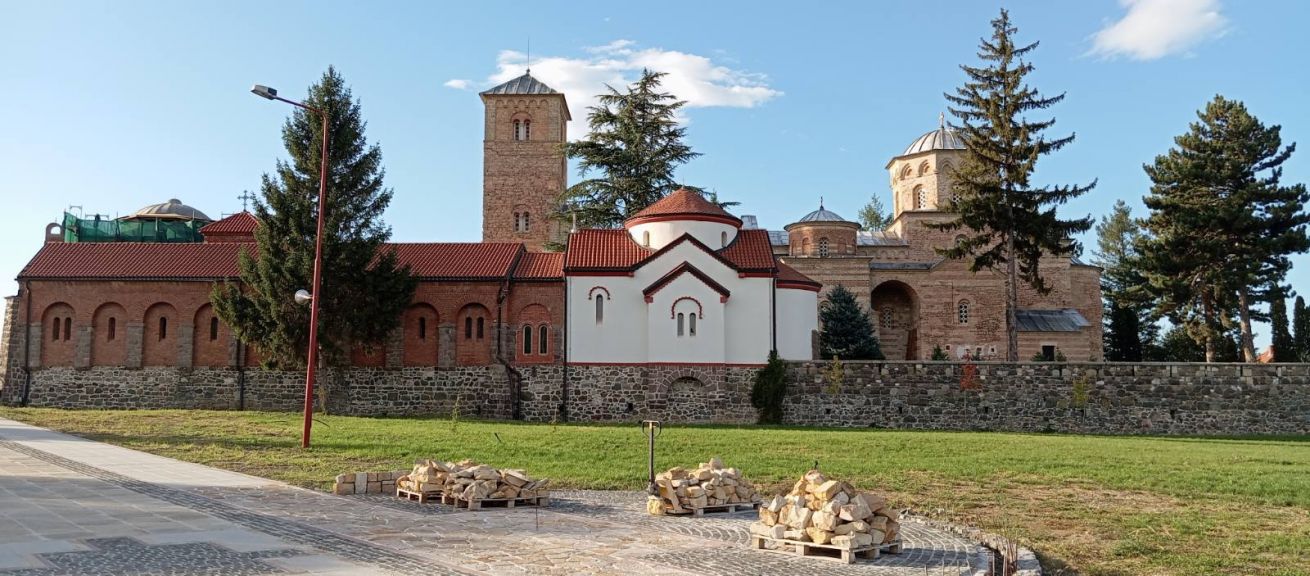
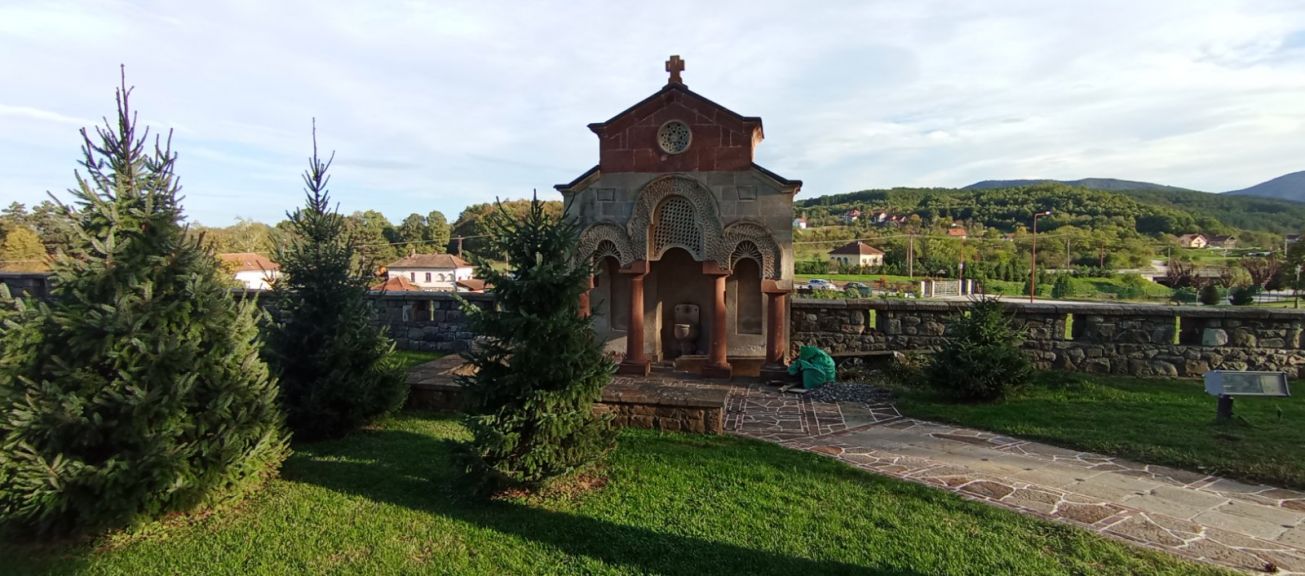
– In the past three years, the Ministry of Culture has set aside RSD 36.7 million for the reconstruction of the Zica monastery, which entails works on the façade of the Church of the Holy Dormition, works on the church yard and the addressing of the most serious static problems on the side facilities, such as the border wall, the Church of Saint Sava and the Chapel of Saint John – said Minister of Culture and Information Vladan Vukosavljevic.
He added that Zica was one of the most important places of the spiritual and cultural history of Serbia.
– This monastery has witnessed the history of our state and our nation. It has been demolished, abandoned, rebuilt, occupied and struck by natural disasters. Despite that, this jewel of the Serbian culture and spirituality has persevered for 800 years and we have reason to be proud when we look back and see our longevity.
The works on the Church of the Holy Dormition, according to professor Mirko Kovacevic, a consultant of the Institute for Protection of Cultural Monuments and a renowned expert in the field of protection of cultural heritage, are necessary as the façade has been damaged.
All the damage first needs to be mapped so that the repair works would be done in line with all the protection principles. Restoration and conservation works will be carried out in cooperation with renowned experts and with the implementation of natural materials.
– It’s not simple to reconstruct such a building, and the structures established during the previous reconstructions due to the earthquakes of 1987 and 2010 have shown signs of being statically unstable. The works to repair this are a very important project. It is being done by professor Sekularac of the Faculty of Architecture. Some tests have been done, while others require more time. Eventually, we will have a complete project of static repairs – Kovacevic pointed out.
He added that the façade was another problem. It was originally painted red, using a material that Saint Sava had brought over from Mount Athos. In the 1990s, it was reconstructed using materials which have proven to be unsustainable.
– This certainly needs to be corrected, but we need to find a proper technological procedure using natural materials – Kovacevic emphasizes.


U blizini:


Fotografije:


Opis:
Vidi sve
Companies:
 Ministarstvo kulture Republike Srbije
 Republički zavod za zaštitu spomenika kulture Beograd
 Arhitektonski fakultet Beograd
Tags:
Vladan Vukosavljević
Mirko Kovačević
Žiča monastery
Mount Athos
Church of the Holy Dormition
Church of Saint Sava
Chapel of Saint John
Stefan the First Crowned
Saint Sava
eight centuries of the autocephaly of the Serbian Orthodox Church
facade works
church yard development works
restoration and conservation works
static repairs
natural material mortar
Comments
Your comment
Most Important News
Full information is available only to commercial users-subscribers and it is necessary to log in.
Pratite na našem portalu vesti, tendere, investicione projekte, grantove i pravnu regulativu.
Registracija na eKapiji vam omogućava pristup potpunim informacijama i dnevnom biltenu
Naš dnevni ekonomski bilten će stizati na vašu mejl adresu krajem svakog radnog dana. Bilteni su personalizovani prema interesovanjima svakog korisnika zasebno,
uz konsultacije sa našim ekspertima.